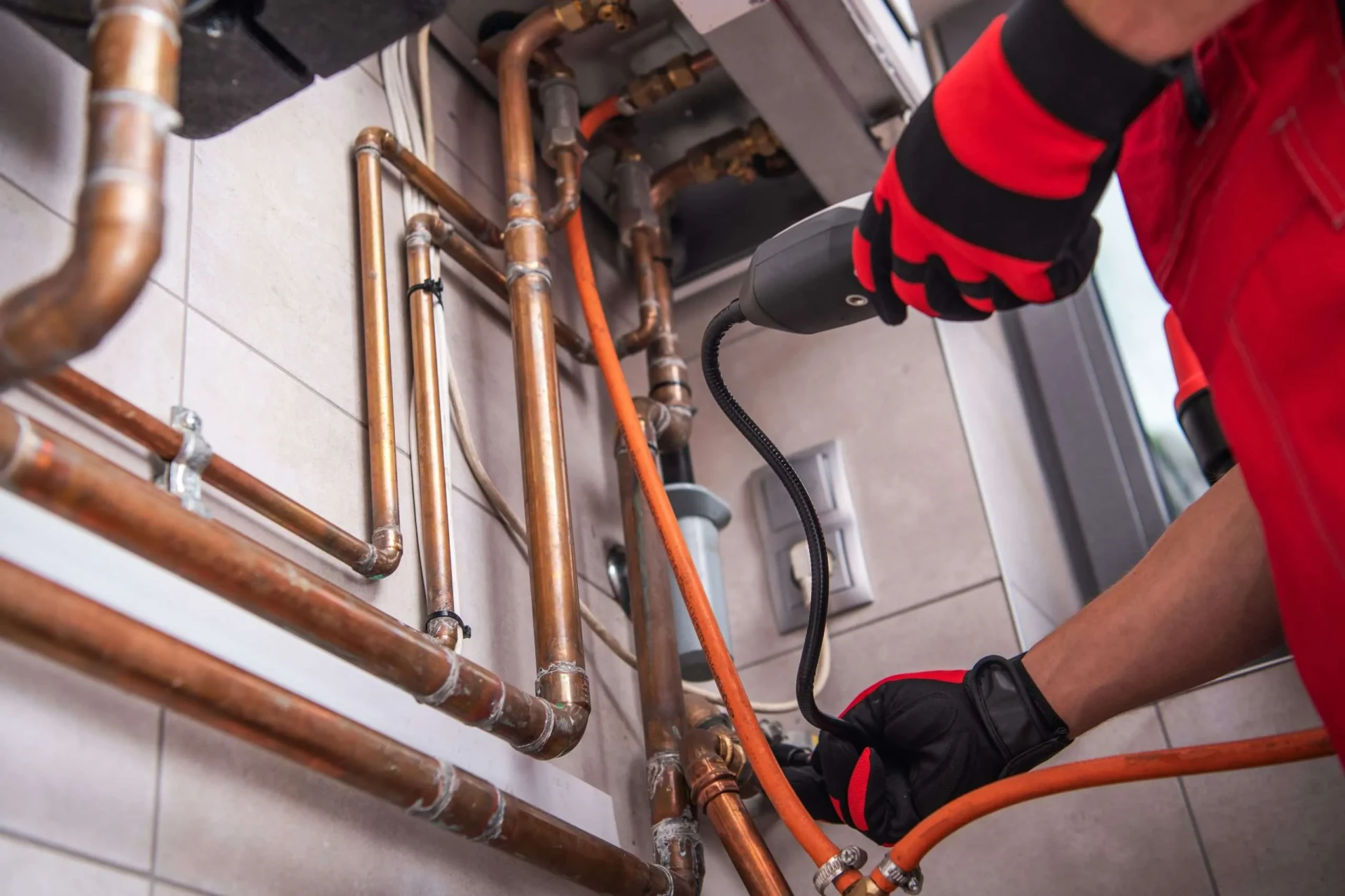

Walking through an old neighborhood, you might notice charming houses with character. But behind those walls, the plumbing often tells a different story. Slow showers, faucets that drip even when off, and pipes that groan when water runs are all signs of aging plumbing. Many homeowners turn to a repipe specialist to fix these issues before they become emergencies. Choosing a reliable pipe material during a repipe can save time, money, and a lot of frustration.
The Hidden Problems in Older Homes
Old pipes have lived a long life, sometimes 50 years or more. Galvanized steel, polybutylene, and outdated copper were common in the past, but they aren’t built for today’s water demands. Rust can form inside, narrowing the pipes and reducing water flow. Small leaks start quietly but can lead to big problems if ignored. A repipe specialist knows how to replace these old systems efficiently while keeping disruption to a minimum.
Tight Spaces, Big Challenges
Older homes weren’t built with modern plumbing in mind. Walls are narrow, floors are tricky to access, and ceilings hide years of wiring and ductwork. Running new pipes through these spaces is a puzzle. Flexible materials like PEX are a lifesaver here. They bend around corners, reduce the need for joints, and make installation cleaner. Choosing the strongest pipe material ensures that the system you install today will last decades without constant repairs.
Water Pressure That Finally Works
Ever noticed that the top-floor shower feels like a trickle while the kitchen faucet on the main floor roars? That’s common in old homes. Corrosion, narrowing pipes, and multiple bends can reduce water pressure unevenly. Proper repiping balances flow across all floors. A repipe specialist can map your home’s plumbing layout to ensure water reaches every tap and shower just the way it should.
Avoiding Everyday Headaches
Repiping isn’t just about fixing leaks. It’s about peace of mind. No more waking up to cold showers, noisy pipes, or surprise drips. Modern pipes resist corrosion, handle pressure better, and are easier to maintain. A repipe specialist can guide homeowners in selecting materials that match the home’s layout and daily water needs.
Signs It’s Time for a Repipe
You don’t have to wait for a burst pipe to act. Watch for these clues:
● Water that looks rusty or discolored
● Frequent leaks in different parts of the home
● Unusual banging or rattling sounds when faucets run
● Low water pressure, especially on upper floors
These are early warnings that your home might need repiping. Acting early can save headaches and prevent damage.
Long-Term Benefits
Repiping offers benefits that last for years. Water flows more evenly throughout the home, and annoying leaks become much less frequent. Replacing old pipes with the strongest pipe material reduces the chances of sudden breaks or expensive repairs.
Updated plumbing also adds value to your property, making it more attractive to buyers or tenants. Beyond the practical benefits, repiping brings peace of mind. Knowing your home has a reliable plumbing system means fewer worries about unexpected problems and a smoother, more comfortable daily routine for everyone living in the house.
Key Takeaway
Old homes are full of charm, but their plumbing often struggles with today’s water needs. Leaky pipes, low pressure, and unexpected drips can turn daily routines into a headache. Working with a professional repipe specialist and choosing high-quality pipe material gives you a plumbing system that’s reliable and long-lasting. A carefully planned repipe not only fixes problems but also brings peace of mind, making your home more comfortable and stress-free for years to come.



























Sign in to leave a comment.