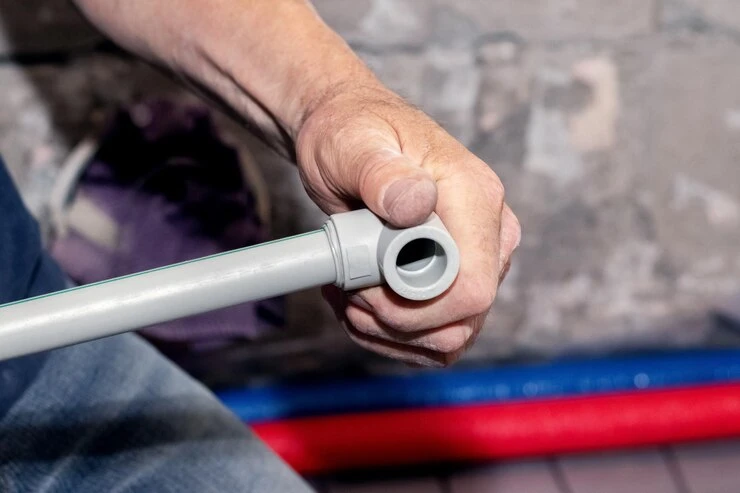

Slab homes are common in California. They’re built without basements or crawl spaces, so the pipes run directly through or under the concrete foundation. While this setup saves space and cost, it can cause major headaches when repiping becomes necessary.
If you live in a slab home and are starting to notice low water pressure, rusty water, or unexplained wet spots on your floor, repiping might be around the corner. And for residents considering repiping San Jose homes or even repiping Santa Clara properties, the challenges can be unique.
Let’s walk through what slab home owners should expect — and how to prepare for a smoother experience.
Why Slab Homes Present Extra Challenges
In a traditional home, pipes run through walls or under floorboards. But in slab homes, the pipes are often embedded in the concrete. This means accessing them isn’t as simple as cutting into drywall. It may involve breaking through the slab or rerouting pipes overhead.
That extra step makes repiping more labor-intensive. And in older slab homes, where materials like galvanized steel or outdated copper were used, corrosion is common. Over time, this leads to pipe failure or leaks that are hard to trace.
● Expect Some Disruption
Repiping a slab home isn’t something that happens overnight. If your home has active leaks, water may need to be shut off temporarily while work is completed. Depending on the method used — breaking through the slab or rerouting pipes — your floors, walls, and ceilings may need patching afterward.
That said, a well-planned repipe job is much better than dealing with repeated water damage or emergency pipe bursts.
● Overhead Rerouting: A Common Solution
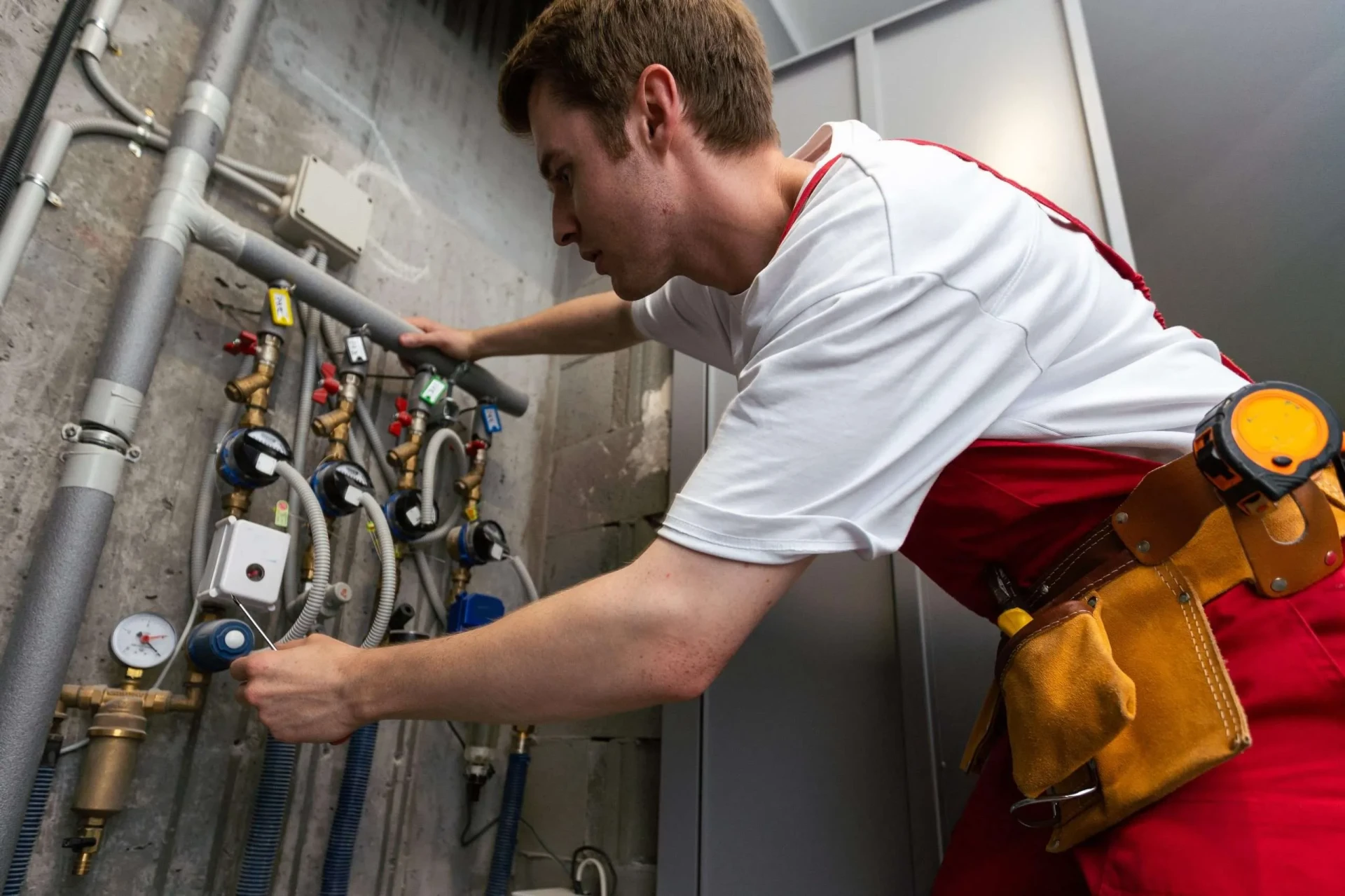
To avoid tearing up the slab, many experts choose overhead repiping. This involves running new pipes through the attic, inside walls, or along ceilings. It’s faster, less messy, and minimizes disruption to your flooring.
This method is especially popular during repiping Santa Clara projects, where homeowners often want a cleaner, faster option that doesn’t involve jackhammering concrete.
● Material Matters
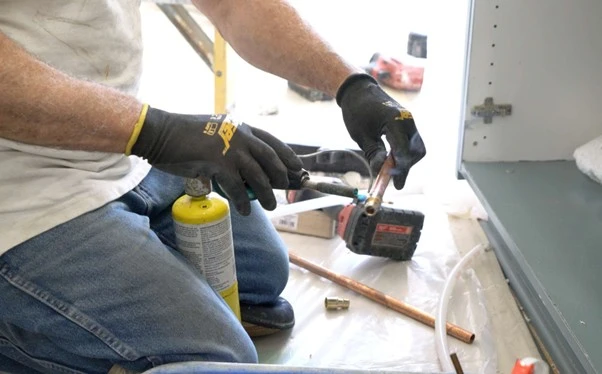
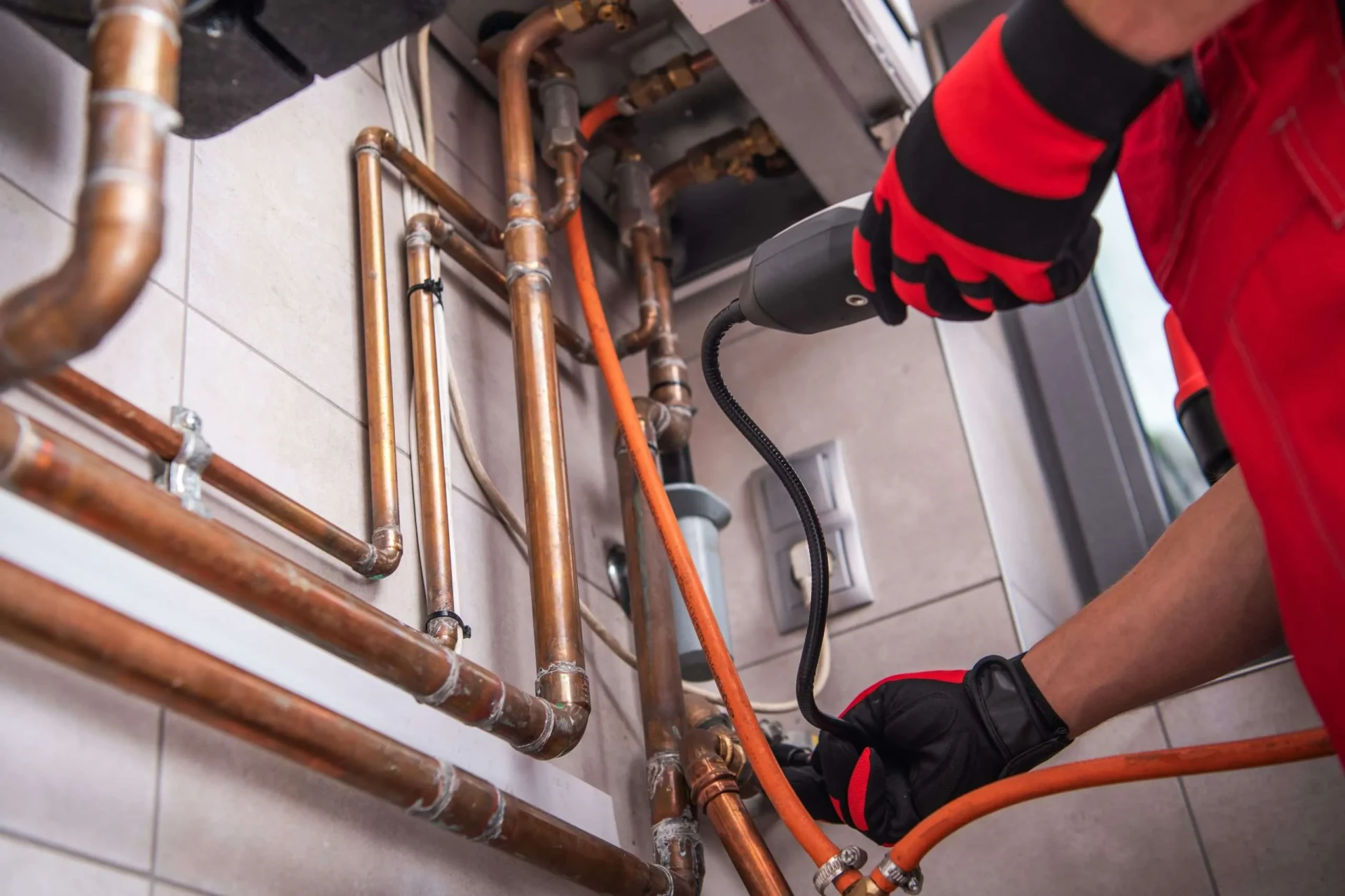
Pipes used in slab homes can wear out faster due to soil pressure, chemical reactions with concrete, or shifting foundations. Modern repiping often uses PEX or copper, which are both durable and well-suited for slab conditions.
If you're searching for repiping San Jose services, it’s worth discussing pipe material options. PEX is flexible and less expensive, while copper is known for long life and performance.
● Permits and Inspections
In most California cities, a permit is required for whole-house repiping. It’s not just red tape; it ensures the work meets building codes. After the repipe is done, an inspector will review the installation and approve the project.
Skipping this step can lead to trouble down the line, especially if you plan to sell the home.
Prepare Your Home (and Yourself)
Here are a few things to plan ahead for:
● Clear access to walls, ceilings, and attic spaces
● Protect furniture with covers or move items out of the way
● Expect noise and dust, especially during cutting or drilling
● Have a backup water plan in case water is shut off temporarily
Talk to your repipe expert about the timeline and what areas of your home will be affected.
Concluding Remarks
Repiping a slab home might feel like a big project, but the results speak for themselves. You’ll notice cleaner water, stronger pressure, and far fewer plumbing headaches down the road. For homeowners considering repiping San Jose properties, it’s a smart move that adds long-term value and peace of mind.
If you're in Santa Clara, San Jose, or a nearby area and your slab home is starting to show signs of pipe trouble, it may be time to plan your next steps.



























Sign in to leave a comment.