
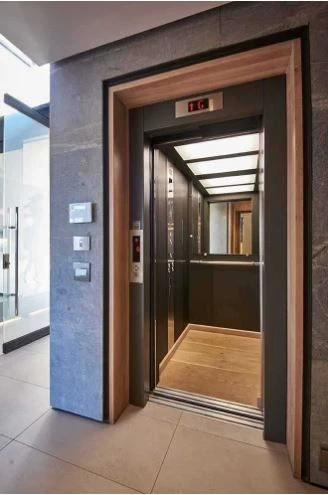
A residential elevator lift has become one of the most practical additions to modern homes. As families build larger houses with multiple floors, the need for easy and safe movement between levels continues to grow. A home elevator offers convenience for every family member while adding a premium touch to the property.
Whether you are constructing a new home or renovating an existing one, understanding the residential lift price and the overall residential lift cost is essential before making an investment. The right residential elevator not only improves accessibility but also increases the long-term value of your home.
The Evolution of Residential Elevator Lifts
Home elevators have changed significantly over the years. Earlier, they were seen only in luxury mansions or commercial buildings. Today, technological advancements have made residential lifts more compact, energy-efficient, and suitable for homes of all sizes.
Modern residential elevator lifts are designed to fit into limited spaces while delivering smooth and quiet operation. They are available in various styles, allowing homeowners to choose a design that complements their interiors without compromising functionality.
As urban homes continue to expand vertically, residential elevators have become a practical solution for everyday living.
Why More Homeowners Are Installing Residential Lifts
Convenience is one of the biggest reasons homeowners choose a residential elevator lift. Moving between floors becomes easier, whether you are carrying groceries, luggage, laundry, or heavy household items.
For elderly family members and individuals with limited mobility, a residential lift provides greater independence by reducing the need to climb stairs. It also offers additional safety by minimizing the risk of slips and falls.
Families planning to stay in their homes for many years often install residential elevators to ensure the property remains accessible as their needs evolve.
Residential Lift Price: Key Factors to Consider
The residential lift price varies depending on the specifications of each project.
The lift mechanism is one of the primary pricing factors. Hydraulic, traction, and machine room-less elevators each have different operating systems and installation requirements.
The number of floors served also influences the residential lift price. A home elevator installed in a two-level house requires fewer components than one designed for multiple floors.
Customization options such as automatic doors, premium cabin finishes, glass panels, designer lighting, touch controls, and voice announcements can further affect the total price.
A professional site inspection helps determine the most suitable lift configuration and provides an accurate quotation.
Understanding Residential Lift Cost
The complete residential lift cost includes several elements beyond purchasing the elevator itself.
Installation charges cover professional assembly, alignment, electrical connections, testing, and commissioning. Structural preparation, lift shaft construction, and civil modifications may also be required depending on the building.
For homes under construction, incorporating the lift during the design phase often reduces installation complexity and overall costs.
Regular maintenance should also be considered as part of the total ownership expense. Preventive servicing improves performance, extends equipment life, and reduces unexpected repair costs.
Features That Improve Safety and Performance
Today's residential elevator lift models include advanced technology that enhances safety and user experience.
Essential safety features include emergency battery backup, automatic rescue devices, overload protection, emergency stop buttons, and door interlocks.
Energy-efficient motors provide quiet operation while reducing electricity consumption. Homeowners can also choose additional features such as LED cabin lighting, digital displays, automatic ventilation, and elegant interior finishes.
These features ensure that the elevator remains reliable, comfortable, and easy to use every day.
Choosing the Right Residential Elevator
Before purchasing a residential elevator lift, consider your home's available space, expected passenger capacity, and future accessibility requirements.
Work with a manufacturer that offers certified products, professional installation, and responsive after-sales support. Compare warranty coverage, maintenance services, and customer feedback before making your decision.
Although the residential lift price is an important consideration, investing in quality equipment often results in lower maintenance costs and better long-term reliability.
Why a Residential Lift Is a Smart Investment
A home elevator provides benefits that continue long after installation. It enhances accessibility, supports ageing in place, improves convenience, and increases the market value of your property.
Modern residential elevators are designed for durability and energy efficiency, making them an economical solution over time. They also give homeowners peace of mind by creating a safer and more accessible living environment for every family member.
Conclusion
A residential elevator lift is more than a convenience—it is a long-term investment in your home's comfort, safety, and value. While the residential lift price depends on technology, customization, and installation requirements, understanding the complete residential lift cost helps homeowners make informed decisions.
Choosing a trusted manufacturer, investing in quality installation, and maintaining the lift regularly ensures reliable performance for years to come. A well-designed residential elevator not only improves your daily lifestyle but also makes your home ready for the future.


























Sign in to leave a comment.