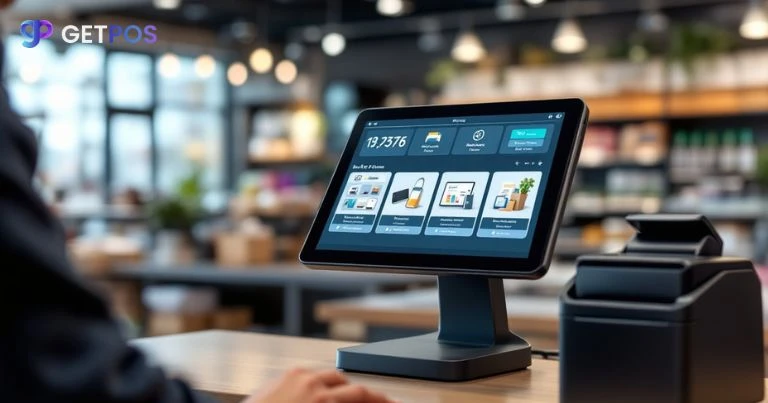

Retail businesses face constant pressure to deliver faster service, manage inventory accurately, and provide a seamless shopping experience. Retail POS solutions play a pivotal role in addressing these challenges. By combining sales management, inventory tracking, and customer engagement into a single platform, POS systems help retailers operate efficiently and enhance the overall customer experience.
What Are Retail POS Solutions?
Retail POS solutions are advanced Point of Sale systems designed to manage transactions, inventory, reporting, and customer interactions. Unlike traditional cash registers, modern POS software integrates multiple functions, offering real-time data insights, multi-store support, and analytics for smarter business decisions.
A comprehensive POS solution ensures retailers can streamline operations, reduce errors, and maintain a high level of service for customers.
Key Features of Retail POS Solutions
1. Sales Management
Retail POS solutions automate sales processing, support multiple payment methods, and generate invoices instantly. Fast and accurate transactions improve checkout efficiency and reduce errors, contributing directly to a better customer experience.
2. Inventory Management
With inventory management POS systems, retailers can track stock levels in real-time, receive low-stock alerts, and manage product variants or expiry dates. Accurate inventory control prevents stockouts and overstocking, ensuring customers can find the products they need.
3. Customer Relationship Management (CRM)
Retail POS solutions include customer loyalty management features, allowing businesses to track purchase history, create personalized offers, and manage loyalty programs. This builds stronger customer relationships and encourages repeat business.
4. Reporting and Analytics
POS software offers sales analytics and reporting dashboards that help retailers monitor trends, identify best-selling products, and optimize inventory. Data-driven insights support better decision-making and strategy development.
5. Multi-Store and Omni-Channel Support
Retailers with multiple locations or online stores benefit from POS solutions that synchronize inventory and sales data across all channels. This multi-store POS system capability ensures consistency and reduces manual reconciliation.
6. Employee Management
POS solutions can track staff performance, manage schedules, and calculate commissions, helping optimize workforce efficiency and accountability.
Benefits of Implementing Retail POS Solutions
- Increased Efficiency: Automation of sales and inventory processes reduces manual work.
- Enhanced Customer Experience: Faster checkouts and personalized promotions improve satisfaction.
- Accurate Inventory Control: Real-time tracking prevents stockouts and overstocking.
- Data-Driven Insights: Sales analytics enable smarter business decisions.
- Omni-Channel Consistency: Synchronizes online and offline operations.
- Cost Savings: Reduces errors, waste, and administrative overhead.
Best Practices for Using Retail POS Solutions
- Choose the Right POS System: Select a retail POS solution that fits your store size, product range, and business model.
- Train Employees Thoroughly: Staff should know how to handle sales, returns, and inventory updates efficiently.
- Integrate With Other Systems: Connect POS with accounting, CRM, and e-commerce platforms.
- Maintain Accurate Inventory: Regular updates ensure smooth operations and customer satisfaction.
- Leverage Analytics: Use sales analytics software to optimize promotions, pricing, and inventory planning.
Conclusion
Retail POS are essential tools for modern retail businesses. They not only streamline sales and inventory management but also enhance customer engagement and loyalty. By choosing the right POS system, implementing best practices, and leveraging analytics, retailers can boost efficiency, improve the shopping experience, and drive business growth.

























Sign in to leave a comment.