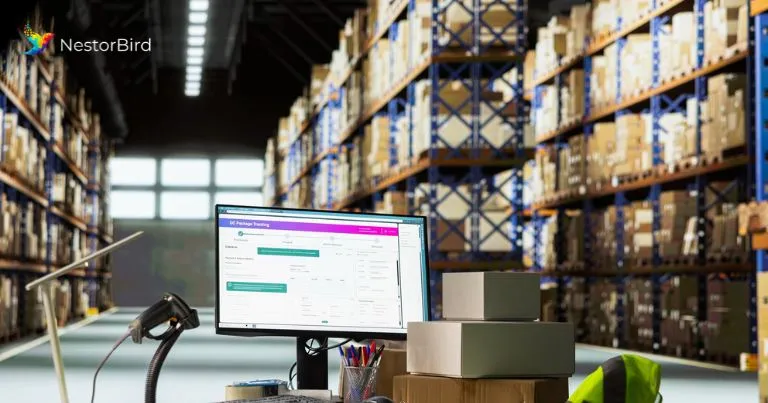

Businesses are increasingly moving away from manual purchasing processes and adopting digital tools to manage procurement more efficiently. A digital procurement platform helps organizations centralize purchasing activities, supplier information, approvals, orders, and related data in one place.
As procurement becomes more connected with inventory, finance, and business operations, companies can gain better visibility into spending while reducing repetitive administrative work. This shift is particularly important for organizations managing multiple suppliers, locations, products, or purchasing categories.
What Is Digital Procurement?
Digital procurement is the use of technology to manage the procurement lifecycle electronically. It can cover activities ranging from identifying purchasing requirements and selecting suppliers to creating purchase orders, receiving products, processing invoices, and monitoring supplier performance.
Unlike traditional procurement methods that rely on spreadsheets, emails, and paperwork, digital procurement uses automated workflows and centralized information.
A typical procurement management system may include:
- Purchase requisitions
- Approval workflows
- Supplier information
- Purchase orders
- Product catalogs
- Invoice processing
- Contract records
- Spend reporting
- Supplier performance data
The objective is to make procurement processes more structured, transparent, and easier to manage.
How Does a Digital Procurement Platform Work?
A digital procurement platform connects different stages of the purchasing process. An employee can submit a purchase request, the appropriate person can approve it, and the procurement team can create a purchase order based on the approved request.
Once an order is placed, information can be recorded for receiving, invoicing, and financial reconciliation. When procurement data is connected with inventory systems, businesses can also use stock information to support purchasing decisions.
For example, inventory management can help businesses monitor available stock, identify low-stock items, and understand when replenishment may be required. Connecting these activities can reduce unnecessary manual coordination between purchasing and inventory teams.
Benefits of Digital Procurement and Purchasing
1. Greater Purchasing Efficiency
Manual purchasing often involves repeated data entry, emails, approval follow-ups, and spreadsheet updates. Digital workflows can automate many of these tasks.
Employees can submit purchase requests electronically, while procurement teams can track approvals and purchase orders from a centralized system. This makes it easier to identify pending requests and reduce unnecessary delays.
2. Improved Spend Visibility
Spend management is an important part of procurement because organizations need to understand how and where money is being spent.
Centralized purchasing information can help procurement teams analyze spending by supplier, category, department, location, or product. This information can support budgeting, purchasing decisions, and supplier negotiations.
Spend analytics can also highlight unusual purchasing patterns or areas where purchasing policies are not being followed.
3. Better Supplier Management
Supplier information is often spread across different files, emails, and departments. A supplier management platform can centralize important supplier information and make it easier to maintain consistent records.
Supplier management may include:
- Supplier contact information
- Contracts and agreements
- Compliance documents
- Pricing information
- Delivery performance
- Product quality
- Supplier evaluations
Having this information available in one place can help procurement teams make more informed decisions about their supplier relationships.
4. Faster Purchase-to-Pay Processes
The purchase-to-pay process covers activities from purchasing a product or service through payment to the supplier.
Digital procurement can connect purchase requisitions, approvals, purchase orders, receiving, invoices, and payments. This reduces the need to manually transfer information between different systems.
Automated purchase order management and invoice matching can also help reduce errors and make transaction records easier to track.
Important Features of Procurement Software
When evaluating purchasing management software, businesses should consider the features that are most relevant to their procurement processes.
Common features include:
- Purchase requisition management
- Automated approval workflows
- Purchase order management
- Supplier onboarding
- Supplier information management
- Contract management
- Catalog management
- Invoice matching
- Spend analytics
- Procurement reporting
- Budget controls
- ERP and accounting integrations
- Audit trails
The required features can vary depending on business size, industry, purchasing volume, and supplier structure.
Supplier Relationship Management
Supplier relationships play an important role in procurement because suppliers can directly affect product availability, cost, quality, and delivery.
Supplier relationship management involves monitoring and improving interactions with suppliers throughout the business relationship. Organizations may track supplier performance using metrics such as delivery accuracy, product quality, pricing, responsiveness, and compliance.
A structured approach to supplier performance management can make it easier to identify consistently reliable suppliers and address recurring issues.
Supplier onboarding is another important area. Businesses may need to collect company information, tax documents, certifications, banking details, contracts, and other records before a supplier becomes active.
Procurement Automation and Inventory Management
Procurement does not operate independently from inventory. Purchasing decisions are often influenced by stock levels, sales activity, demand patterns, and replenishment requirements.
For businesses with significant inventory, connecting procurement automation with inventory data can provide a clearer picture of what needs to be purchased and when.
For example, if inventory levels fall below a defined threshold, the purchasing team can review the requirement and initiate a replenishment process. This can help reduce both stockouts and unnecessary over-purchasing.
For retail businesses, procurement may also be connected with point of sale and inventory information, allowing purchasing decisions to be considered alongside actual sales activity.
Why Is Digital Procurement Important for Multi-Location Businesses?
Managing procurement across multiple locations can create additional complexity. Each location may have different purchasing requirements, suppliers, inventory levels, and approval processes.
A centralized system can provide greater consistency by bringing purchasing information together. Businesses can establish standardized purchasing procedures while still allowing individual locations to submit their requirements.
Multi-location organizations may also need centralized visibility into purchasing and inventory. This is where multi-store retail management can be relevant, particularly when purchasing activities need to be considered alongside operations across multiple stores.
How to Choose Procurement Software
Choosing procurement software should start with understanding the organization's existing purchasing process and identifying areas that need improvement.
Important considerations include:
- Ease of use
- Workflow automation
- Supplier management
- Purchase order capabilities
- Spend reporting
- Inventory integration
- Accounting integration
- ERP compatibility
- Data security
- Scalability
- Reporting and analytics
Businesses should also consider whether the software can adapt as purchasing volumes, suppliers, products, and locations increase.
Conclusion
Digital procurement is changing how businesses manage purchasing, suppliers, and related operational processes. By replacing fragmented manual activities with centralized information and automated workflows, organizations can improve purchasing visibility and process consistency.
The connection between procurement, supplier management, inventory, and purchasing data is particularly important for businesses that manage large product ranges or multiple locations. A structured digital approach can make it easier to monitor spending, manage suppliers, process purchase orders, and make purchasing decisions based on reliable business information.
Frequently Asked Questions
What is a digital procurement platform?
A digital procurement platform is software used to manage purchasing and procurement activities electronically. It can support purchase requests, approvals, supplier management, purchase orders, invoices, reporting, and other procurement processes.
What is the difference between procurement and purchasing?
Procurement is the broader process of sourcing goods and services, selecting suppliers, negotiating terms, and managing supplier relationships. Purchasing generally refers to the transactional activity of ordering and receiving goods or services.
How does procurement automation work?
Procurement automation uses software to automate repetitive activities such as purchase requests, approvals, purchase orders, notifications, invoice matching, and reporting. This reduces manual administrative work.
What is supplier management?
Supplier management is the process of maintaining supplier information and monitoring supplier relationships, performance, compliance, pricing, quality, and delivery.
Can procurement software integrate with inventory management?
Yes. Procurement software can be integrated with inventory systems so purchasing teams can consider stock levels, replenishment requirements, and product availability when making purchasing decisions.
What is spend management?
Spend management involves monitoring and controlling organizational spending. It can include analyzing purchases, managing supplier spending, tracking budgets, and identifying opportunities for cost control.
Why is supplier performance management important?
Supplier performance management helps organizations evaluate suppliers based on factors such as quality, delivery, pricing, responsiveness, and compliance. This information can support more consistent supplier decisions.
What should businesses look for in purchasing management software?
Businesses should consider workflow automation, purchase order management, supplier management, reporting, integrations, scalability, security, and ease of use when evaluating purchasing software.





















Sign in to leave a comment.