

In the rapidly evolving world of artificial intelligence, managing interactions with AI models efficiently is becoming increasingly important. One of the most effective ways to achieve this is through the use of reusable prompts. These are pre-designed prompts that can be stored, accessed, and applied across multiple AI tasks to ensure consistent and high-quality outputs. Platforms like PromptStash have revolutionized prompt management, providing a structured environment where users can organize and reuse their prompts seamlessly. By understanding how to create and store reusable prompts, individuals and teams can dramatically improve productivity, reduce errors, and maintain consistency in their AI workflows.
Understanding the Concept of Reusable Prompts
Reusable prompts are essentially templates for AI instructions that can be applied repeatedly to generate similar outcomes. Instead of crafting a new prompt each time a task arises, users can rely on pre-tested prompts that have proven effective. This approach not only saves time but also ensures that outputs are consistent, professional, and aligned with the intended style or tone.
The concept of reusable prompts is closely tied to effective prompt management. By systematically organizing prompts, tagging them, and categorizing them based on use cases, users can create a library of prompts tailored to their unique needs. This library becomes an invaluable resource, especially for teams that collaborate on multiple AI-driven projects. It allows different members to access the same high-quality prompts, reducing variability in AI outputs and ensuring that everyone is aligned with the project’s goals.
Reusable prompts can be designed for various purposes, from generating marketing copy and blog posts to coding assistance, data analysis, and creative writing. Their versatility makes them an essential component in any AI workflow. Moreover, the ability to refine and iterate on these prompts over time helps in continuously improving AI interactions, creating a feedback loop that enhances the accuracy and relevance of outputs.
How to Create and Store Them in a Library
Creating reusable prompts begins with understanding the task and defining the desired outcome clearly. A well-structured prompt should include explicit instructions, context, and any parameters necessary for the AI to produce the intended response. For example, a marketing team might create a reusable prompt for generating product descriptions with a specific tone, style, and format. Once tested and optimized, this prompt can be reused for multiple products without starting from scratch each time.
The next step is storing these prompts efficiently. PromptStash offers a comprehensive solution for this, combining features such as tagging, searching, and organizing prompts into libraries. Users can categorize prompts by type, project, or function, making retrieval quick and intuitive. This organized system is at the core of effective prompt management, as it ensures that users spend less time searching for prompts and more time leveraging them to generate results.
An effective library also allows for version control. As prompts are refined or updated, older versions can be stored alongside new ones, creating a historical record of improvements. This is particularly useful for teams that need to maintain consistency across large projects while adapting to new requirements or AI capabilities. Additionally, the library can support collaborative work, allowing multiple users to contribute prompts, share insights, and learn from each other’s successful strategies.
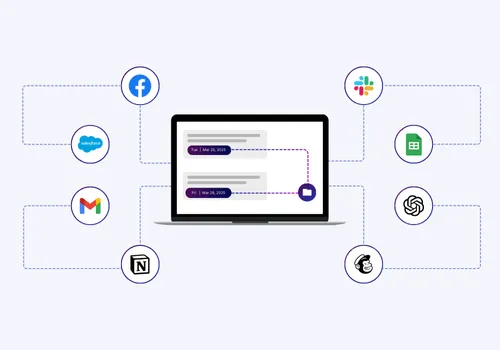
Automation features further enhance the usability of a prompt library. For instance, integrating commonly used prompts into workflow automation reduces manual input and increases efficiency. This integration ensures that high-quality prompts are applied consistently, minimizing errors and variations in output. By combining reusable prompts with prompt management tools, teams can create a scalable system that supports continuous growth and adaptation in their AI processes.
Benefits for Developers, Marketers, and Writers
The benefits of reusable prompts extend across various professional fields. For developers, reusable prompts simplify interactions with AI coding assistants and enable faster debugging, testing, and prototyping. By using pre-designed prompts, developers can ensure consistency in code generation, reduce repetitive work, and focus on higher-level problem-solving.
Marketers also gain significant advantages. Reusable prompts can standardize content creation processes, ensuring that messaging remains consistent across campaigns and channels. For example, a prompt for crafting social media posts can maintain a brand’s voice while saving hours of manual effort. This not only increases productivity but also improves brand consistency and audience engagement.
Writers and content creators benefit as well. Whether drafting articles, generating creative stories, or producing technical documentation, reusable prompts provide a reliable starting point. They reduce cognitive load, allowing writers to focus on quality and creativity rather than constantly reinventing instructions for the AI. With a robust prompt management system, writers can access the right prompts at the right time, streamlining their workflow and enhancing overall output quality.
Beyond these specific roles, the general advantages of reusable prompts include time savings, error reduction, and improved collaboration. Teams can share a common set of high-quality prompts, ensuring uniformity in AI interactions and enabling faster onboarding of new members. This shared resource fosters a culture of efficiency and knowledge sharing, ultimately boosting the organization’s overall performance.
Conclusion: Reusable prompts ensure consistency and save time across AI tasks
In today’s AI-driven landscape, the ability to create, store, and reuse prompts efficiently is no longer optional—it is essential. Reusable prompts, supported by effective prompt management systems like PromptStash, empower individuals and teams to produce consistent, high-quality AI outputs while saving time and effort. By building a well-organized library of prompts, users can maintain uniformity across tasks, collaborate more effectively, and continuously improve their AI interactions.
Whether you are a developer streamlining coding processes, a marketer ensuring brand consistency, or a writer optimizing content creation, reusable prompts offer a strategic advantage. They transform the way AI tools are utilized, turning repetitive tasks into streamlined workflows and helping professionals focus on creativity, innovation, and impact. Ultimately, mastering reusable prompts is the key to unlocking the full potential of AI, making work more efficient, consistent, and productive for everyone involved.
























Sign in to leave a comment.