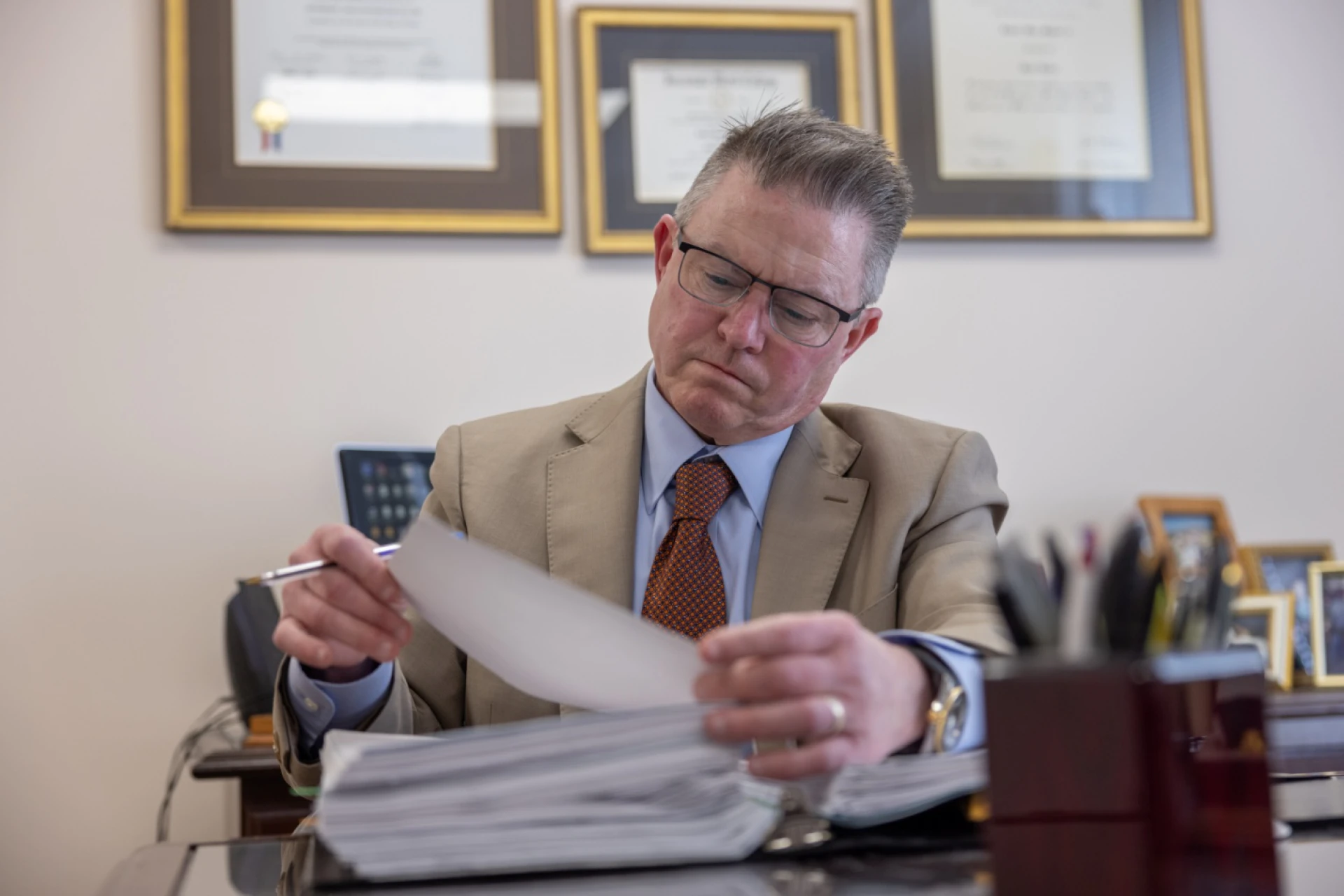

Thousands of criminal cases across the country remain unresolved, leaving families without answers and individuals wrongly convicted. According to the National Registry of Exonerations, over 3,000 people have been exonerated since 1989, with new evidence proving their innocence. As forensic science advances and investigative methods evolve, many cold cases are being reopened, offering hope to those seeking justice.
New techniques in criminal defense are giving fresh life to old cases, challenging wrongful convictions, and ensuring a fair trial. Modern forensic testing, digital evidence, and strategic defense approaches are proving instrumental in achieving justice where the legal system once fell short.
This article examines the latest advancements in criminal defense that are reshaping the way cold cases are revisited, providing new avenues for defendants to challenge past convictions.
Cutting-Edge Forensic Science and DNA Analysis
One of the most powerful tools in revisiting old cases is forensic science. New testing methods are often able to reanalyze evidence that was previously considered inconclusive or overlooked.
· Advanced DNA Testing: Modern forensic techniques can detect microscopic DNA traces, sometimes from decades-old evidence, which can identify or eliminate suspects with a higher degree of accuracy.
· Touch DNA Analysis: This method detects DNA left behind from simple contact with an object, making it possible to analyze evidence that was once deemed useless.
· Forensic Genealogy: By cross-referencing crime scene DNA with public genealogy databases, investigators have identified suspects in cold cases that went unsolved for decades.
· Firearm and Ballistics Advances: Bullet and gunpowder residue analysis now provide more definitive conclusions about whether a suspect used a firearm in a crime.
These advancements are helping criminal defense attorneys challenge wrongful convictions and introduce new evidence that can exonerate clients.
Digital Evidence: The Power of Modern Technology
With the explosion of digital technology, criminal defense lawyers now have access to evidence that was previously nonexistent or difficult to obtain.
· Cell Phone Data: Call records, GPS tracking, and timestamps can provide alibis or prove inconsistencies in witness statements.
· Surveillance Footage: Advances in video enhancement allow older security footage to be analyzed more clearly, sometimes revealing crucial details.
· Social Media Investigations: Posts, messages, and timestamps on social platforms can contradict testimonies or establish new timelines.
· Computer and Metadata Analysis: Emails, digital documents, and metadata timestamps help in verifying or disputing key evidence in a case.
· A skilled defense attorney in San Antonio can use this data to build a strong case for reopening a wrongful conviction.
Reevaluating Eyewitness Testimony and False Confessions
Eyewitness misidentification and coerced confessions have played significant roles in wrongful convictions. Fortunately, advancements in psychological research and legal defense strategies are addressing these issues:
· Cognitive Science in Eyewitness Testimony: Studies show that memory can be highly unreliable, leading many courts to reconsider the weight of eyewitness accounts.
· False Confession Studies: Defense attorneys now use expert witnesses to highlight how coercion, stress, and lengthy interrogations can lead to false confessions.
· Reexamining Lineup Procedures: Flawed identification methods from past cases are being challenged, especially when suspects were identified under suggestive or biased conditions.
These factors are increasingly being reconsidered in appeals and post-conviction hearings.
Legal Strategies for Reopening Cold Cases
Criminal defense lawyers in Texas are using a combination of legal motions and investigative tactics to revisit old cases. Some key strategies include:
· Petitions for Post-Conviction DNA Testing – If DNA evidence was never tested or outdated methods were used, attorneys can request new forensic testing.
· Ineffective Assistance of Counsel Claims – Defendants can argue that their original defense was inadequate, which may provide grounds for a new trial.
· Newly Discovered Evidence – If new witnesses or overlooked evidence come to light, attorneys can file motions for case reconsideration.
· Challenging Expert Testimony – If a past conviction relied on outdated or unreliable forensic science, legal teams can introduce current expert analysis to dispute previous findings.
· Habeas Corpus Petitions – Defendants can challenge the legality of their detention based on new evidence or constitutional violations.
These legal avenues allow a criminal defense lawyer in Texas to fight for justice, even long after a conviction has been made.
Fighting for Justice in Cold Cases
What if a conviction was based on faulty evidence, unreliable testimony, or legal missteps? With new forensic techniques, digital evidence, and modern legal strategies, cold cases are being reopened and wrongful convictions overturned.
For those facing a wrongful conviction or seeking justice in a cold case, having a skilled defense attorney is essential.
The Law Office of Robert M. Maurer II & Associates has spent over 30 years defending Texans across South Texas, building strong legal strategies, and utilizing the latest advancements to challenge old convictions.
The team is available 24/7 for consultations and is deeply connected to the community, ensuring personalized attention to every client.
If you or a loved one needs an experienced felony defense lawyer in San Antonio, contact the firm at (210) 222-8284 to discuss your case and explore options for justice.
Author Bio
The author is a seasoned legal writer with a passion for criminal defense and forensic advancements. With years of experience covering legal trends, he specializes in analyzing how modern technology shapes the justice system. His work sheds light on wrongful convictions, defense strategies, and the evolving role of forensic science in the courtroom.

































Sign in to leave a comment.