

High streets are losing attention, especially from younger audiences. Many areas feel empty and inactive. One way to bring people back is to add experiences they want to interact with and share. Retro digital installations can turn ordinary spaces into places where people stop and engage.
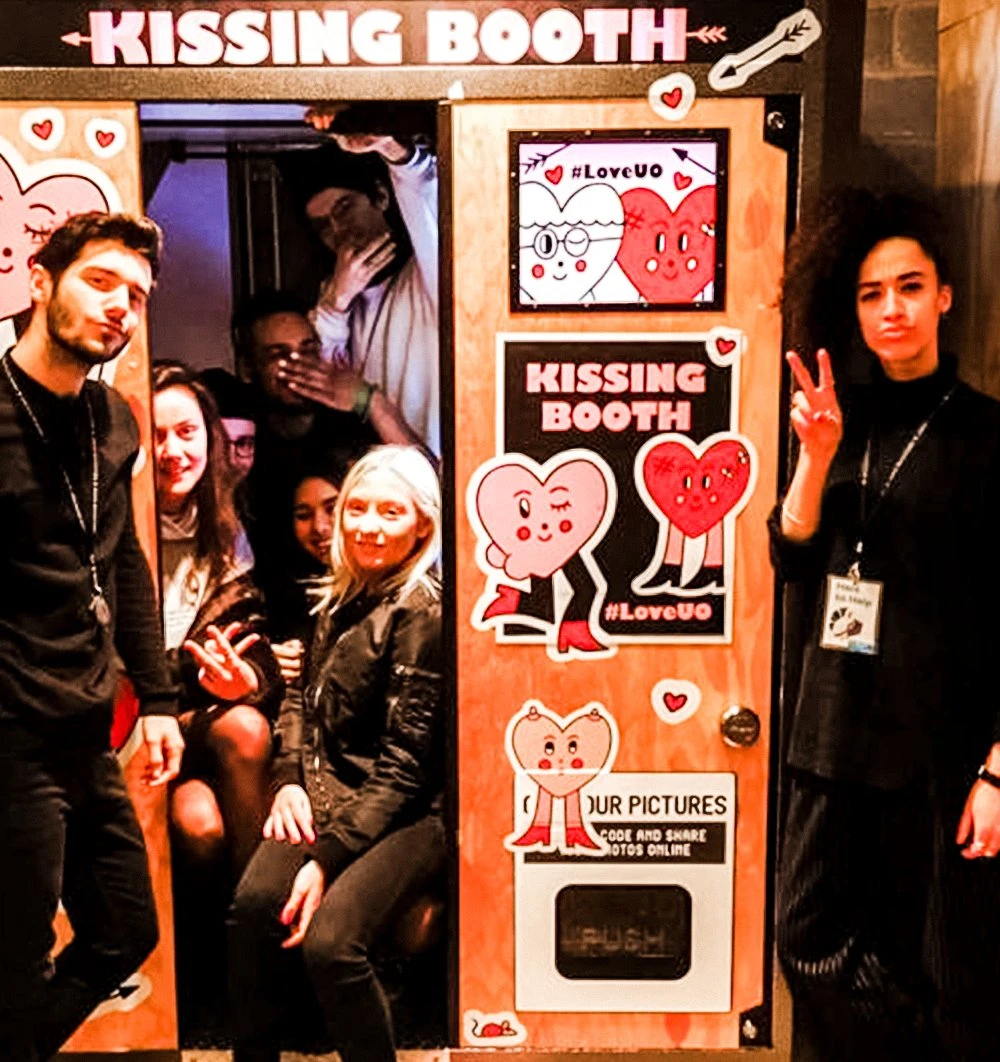
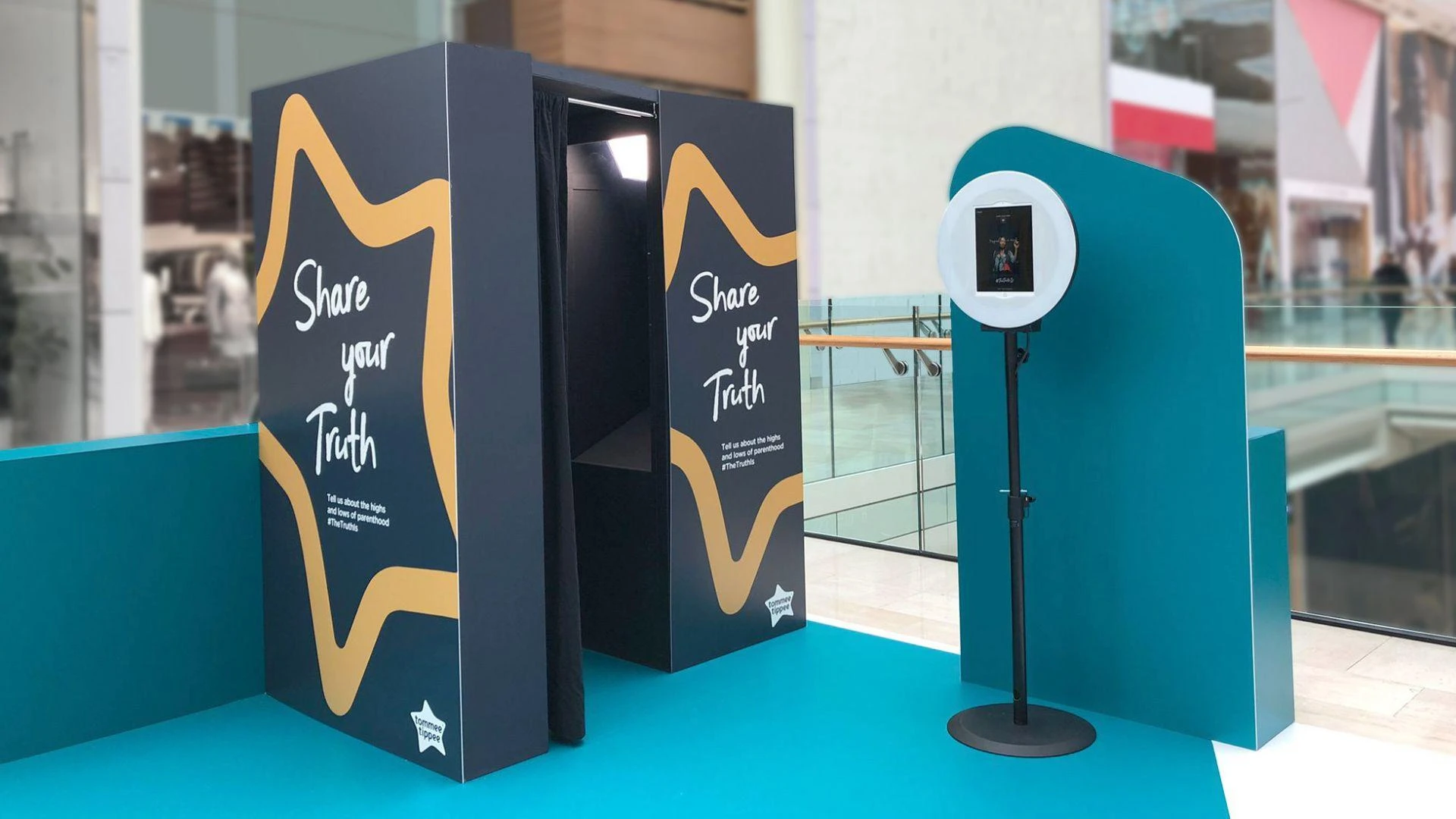
A selfie phone kiosk is a public installation that combines a classic phone booth design with a digital camera system. It allows people to take photos and receive them instantly. This connects the physical space with online sharing.
This shift is changing how cities think about public spaces.
Why Are High Streets Struggling to Attract Gen Z Visitors
Younger audiences do not visit high streets just to shop. They already have online options for that. Physical spaces need to offer something more.
The Decline of Transactional Retail
Traditional retail focuses on buying and selling. But Gen Z looks for experiences. They prefer places that feel interesting, moments they can share, and quick interactions.
Empty shopfronts make areas feel inactive. This reduces foot traffic even more. Without engagement, people have no reason to stop. This creates the need for a different approach.
What Are Organic Destinations in Modern Urban Spaces
Some places attract people without any promotion. These are often called organic destinations.
From Foot Traffic to Photo Traffic
People stop when something looks worth capturing. Visual appeal becomes the main driver of movement.
Key features of these spaces include:
• Strong visual identity
• Simple interaction
• Fast results
• Shareable output
These elements turn a passive space into an active one. People visit, interact, and then share their experience online.
This leads to the role of design in attracting attention.
Why Do Retro Designs Work So Well for Modern Engagement
Design plays a big role in how people respond to a space. Familiar shapes often attract attention faster than new ones.
The Scroll-Stop Effect of Familiar Shapes
Classic designs stand out because people already recognise them. They create a quick moment of curiosity. A selfie phone kiosk built inside a traditional phone booth uses this idea. It combines something familiar with a modern function.
People notice it, approach it, and interact with it without needing instructions. This simple reaction leads to quick engagement.
How Do These Installations Create Instant User Engagement
People often act on impulse when something catches their attention. These installations are designed for that moment.
The Impulse Interaction Model
The interaction is quick and simple. It fits into a busy day.
The experience works because it is easy to understand, fast to use, and gives instant results. Clear feedback on the screen helps users move through the process without confusion. The entire interaction usually takes less than a minute. This makes it easy for anyone to participate.
Once the interaction happens, the impact continues online.
How Do Photo-Based Installations Drive Social Visibility?
The value of these installations extends beyond the street. It continues through social sharing.
From Street Presence to Online Reach
The process is simple.
• A person takes a photo
• The image is received instantly
• The image is shared online
• The location gains visibility
Each shared photo spreads awareness of the location. This turns a single interaction into ongoing exposure.
Urban planners often study models such as The High-Street Digital Revival to understand how these installations foster long-term engagement and visibility.
This makes them useful beyond just entertainment.
Why Are Cities Investing in Experience-Based Public Spaces
Cities are starting to rethink how public spaces are used. The focus is shifting from retail activity to user experience.
The Role of Engagement in Urban Planning
Interactive spaces increase foot traffic and make areas feel more active. This also improves how safe and welcoming a place feels. More visitors support nearby businesses, which helps the local economy grow.
Because of this, experience-based planning is becoming more common.
What Makes These Installations Sustainable for Long-Term Use
Public installations need to work consistently without constant attention.
Built for Continuous Use
Modern systems are designed for regular use. They operate for long hours and handle repeated interactions without slowing down.
Remote monitoring helps track performance and fix issues quickly. Durable materials also ensure the structure lasts over time. This makes the installation reliable for everyday use.
What Should Urban Planners Consider Before Installing These Experiences
Not every installation works in every location. Planning is important for success. Key factors include visibility, pedestrian movement, audience type, and ease of access.
When placed correctly, these installations can turn underused areas into active social spaces.
FAQs About Retro Digital Installations on High Streets
What is a selfie phone kiosk?
It is a digital photo system placed inside a retro-style booth that allows instant photo capture and sharing.
Why are these installations effective for Gen Z?
They create quick, shareable moments that match social media behaviour.
Do these installations require staff?
No. Most systems run automatically and need minimal supervision.
Can they increase foot traffic?
Yes. They attract attention and encourage people to stop and interact.
Where should these installations be placed?
Busy areas such as central streets and public squares work best.



























Sign in to leave a comment.