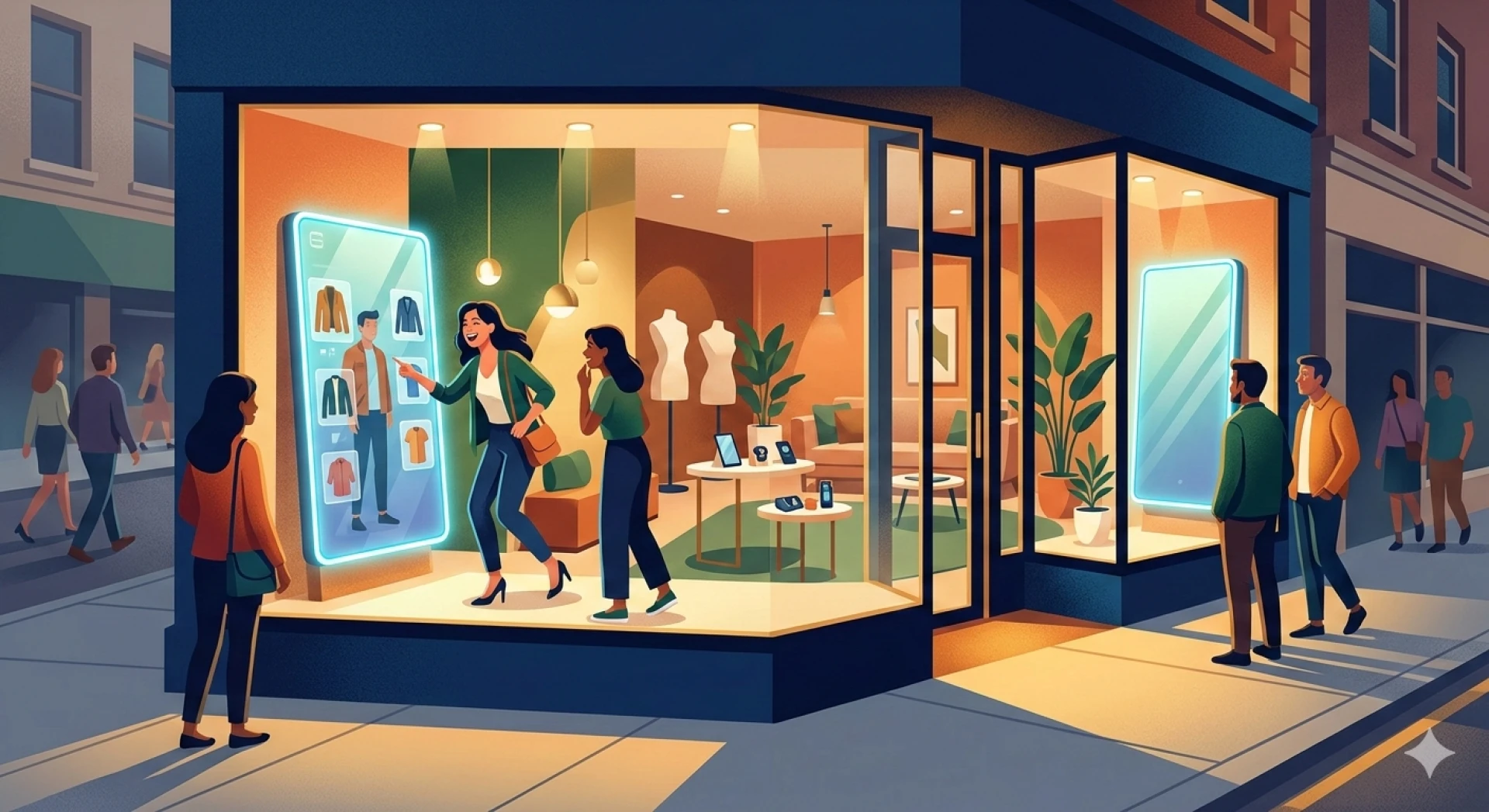

Vacant retail units often reduce activity on a shopping street. People walk past them without stopping. One simple solution is to place an interactive mirror system in the storefront window. A mirror photobooth works as a digital mirror that captures photos and sends them to the visitor. Instead of an empty display, the space becomes an active interaction point.
This small change can turn unused retail space into something that draws attention from pedestrians.
What Is Dwell-Time and Why Does It Matter for Retail Streets
Dwell-time means the amount of time someone stays near a store or inside a location. In retail analytics, this metric often shows how engaging a space is.
Longer dwell-time usually leads to more interaction with the brand or store. Empty units rarely create that pause. People keep walking because there is nothing to notice.
The Dwell-Time Calculus in Modern Retail
Retail planners study how small visual triggers can slow pedestrian movement. Even a short pause changes behaviour. A person who stops often becomes curious about the space.
Interactive installations inside storefront windows create that pause. They interrupt the normal walking pattern and make people look closer. This leads directly to the psychology behind mirrors.
Why Do Mirrors Naturally Stop Pedestrians
People naturally look at their own reflection. This habit happens without much thought. Retail designers often use mirrors because they attract attention faster than many other displays.
The Psychology of Reflection in Public Spaces
When someone walks past a reflective surface, they usually glance at it. The moment may last only a few seconds. But it still slows their movement.
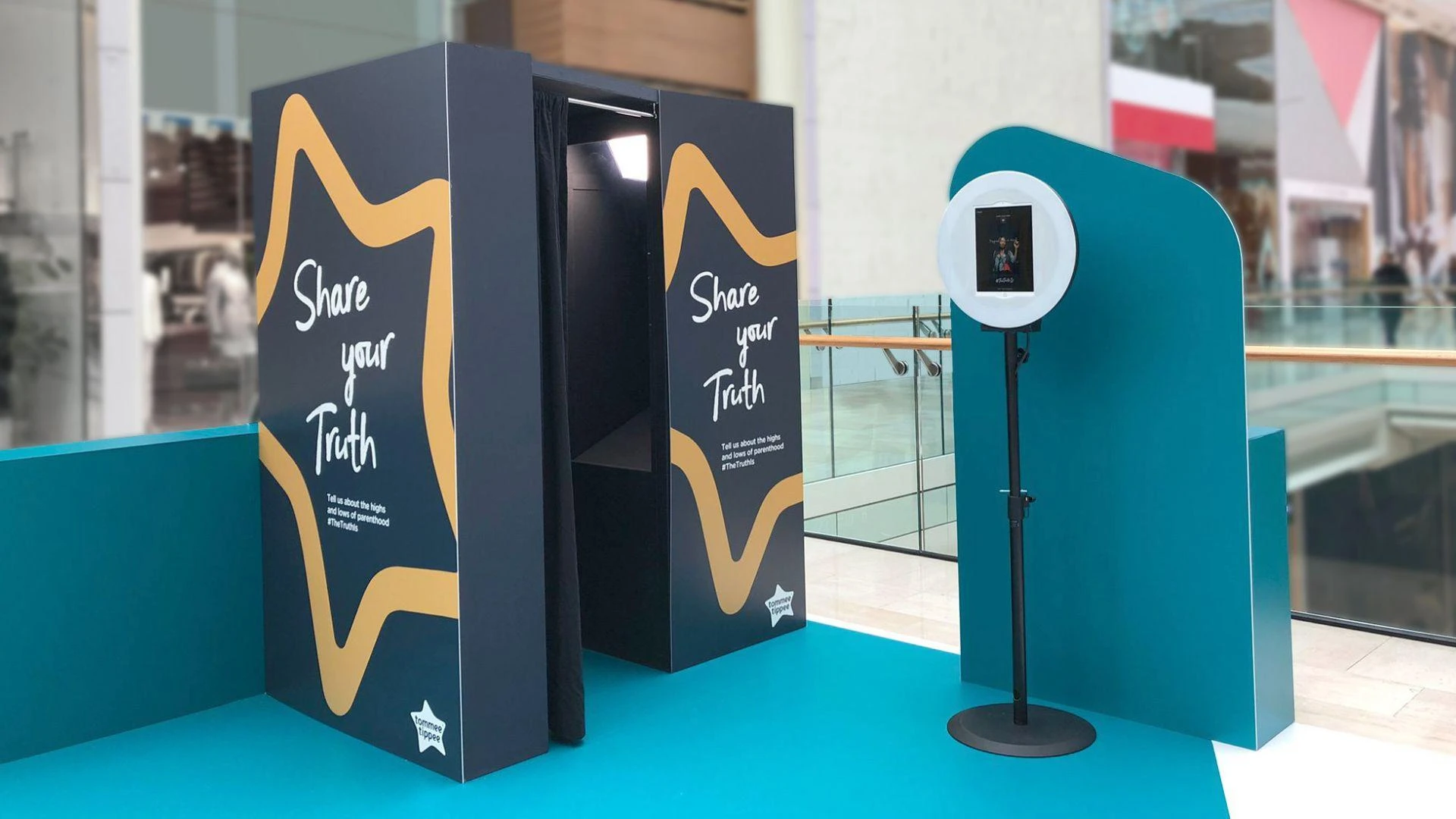
An interactive selfie mirror photobooth turns this quick glance into a short activity. The mirror shows the visitor's reflection and invites them to interact with it.
That interaction creates the first step toward engagement with the location.
How Interactive Mirrors Fill the Experience Gap in Retail
Many shopping streets struggle to keep visitors interested. Online platforms provide constant digital experiences. Physical spaces must create moments worth sharing.
Interactive mirrors help fill this experience gap.
Turning Storefronts into Shareable Moments
A visitor stops at the mirror and takes a quick photo. The system adds a digital frame connected to the store or location. The image is then delivered through a QR code or email.
The interaction usually follows four simple steps:
• A pedestrian notices the mirror
• The mirror captures a photo
• The image is sent to the visitor
• The photo appears on social media
An interactive photobooth inside a vacant storefront creates a memory tied to that location. It brings life to a space that would normally stay empty.
To keep this interaction running smoothly, the technology must operate without staff.
How Do Interactive Mirrors Operate in Vacant Retail Units
Retail spaces cannot rely on someone standing beside the machine all day. The system must run automatically.
The Ghost Tenant Model
Some property managers describe these mirrors as "digital tenants". The mirror activates the space while the unit waits for a new lease.
These systems work through simple automation.
• The mirror captures photos without manual control
• Remote monitoring tracks system performance
• Network connections deliver digital photos
• The machine runs for long daily hours
Because of this setup, the space continues to generate engagement even when the shop itself is empty.
To handle public use, the hardware must also be durable.
How Are Interactive Mirrors Built for High-traffic Environments
Retail locations receive heavy foot traffic every day. Equipment placed in public spaces must handle constant use.
Hardware Designed for Retail Conditions
Professional mirror systems use tempered glass that resists fingerprints. Anti-reflective surfaces help keep the display clear under strong lighting.
These mirrors remain visible even during busy shopping hours. The design helps the mirror stay attractive throughout the day.
However, property owners often focus on another important factor. Safety and compliance.
Are Interactive Mirror Installations Safe for Retail Landlords
Property owners need clear safety standards before allowing installations inside their buildings.
Safety Standards and Risk Reduction
Professional mirror systems often pass electrical safety tests. They usually include insurance coverage that protects the property owner.
Some installations work through revenue share partnerships. This lowers the financial risk for landlords because they do not need to fund a full store buildout.
Many setups run through a digital mirror photo booth platform that can also record engagement activity.
That data helps property managers understand how people interact with the storefront.
How Do Retail Landlords Measure Engagement from Interactive Mirrors
Retail property managers often track engagement to understand pedestrian behavior.
Several simple metrics show how well the installation performs.
• Total number of mirror interactions
• Peak hours when people stop at the mirror
• Number of shared photos
• Email contacts collected through photo delivery
These numbers give landlords a clearer picture of how their space attracts attention.
Even a previously empty storefront can produce real activity.
FAQs About Interactive Mirrors in Vacant Retail Units
Why place interactive mirrors inside empty storefronts?
They create a visual attraction that encourages pedestrians to stop. The space becomes active instead of empty.
Do these mirrors need staff supervision?
No. Most systems run automatically and can be monitored remotely.
Can landlords track engagement from these mirrors?
Yes. Modern systems record interaction counts and other basic activity metrics.
Are these mirrors safe for retail environments?
Commercial installations follow electrical safety standards and often include insurance protection.
How long can these mirrors run each day?
Many units operate for long hours to match the normal schedule of retail locations.

























Sign in to leave a comment.