
Knee pain, whether it's the result of aging, injury, or a chronic condition, can significantly impact your quality of life. If you've tried conservative treatments without success and find your daily activities limited by knee pain, a total knee replacement surgery could be the solution you need. In this comprehensive guide, we'll explore what a total knee replacement surgery entails, the reasons behind it, what to expect before, during, and after the procedure, and the benefits it can offer.
Understanding Total Knee Replacement Surgery
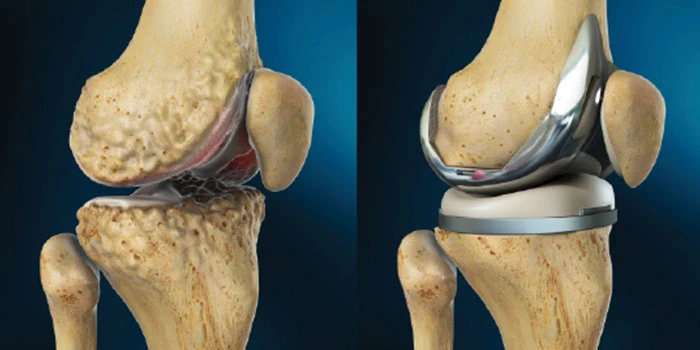
Total knee replacement surgery, also known as total knee arthroplasty, is a medical procedure designed to relieve pain and improve the functionality of a severely damaged or arthritic knee joint. The surgery involves removing damaged cartilage and bone from the knee and replacing it with an artificial joint made of high-quality materials like metal and plastic. The prosthetic knee mimics the natural joint's shape and function, enabling improved movement and reduced pain.
When Is Total Knee Replacement Necessary?
Total knee replacement is typically considered when conservative treatments, such as physical therapy, pain medication, and lifestyle modifications, no longer provide adequate relief. Candidates for this surgery often experience:
Chronic Knee Pain: Ongoing knee pain that interferes with daily activities, sleep, and overall quality of life.
Reduced Mobility: A noticeable reduction in knee mobility, making it difficult to climb stairs, walk, or even stand for extended periods.
Joint Stiffness: Severe knee stiffness and limited range of motion that hinders bending and extending the leg.
Joint Deformities: The knee may become visibly misaligned or deformed due to conditions like osteoarthritis, rheumatoid arthritis, or a traumatic injury.
Failure of Conservative Treatments: When physical therapy, medications, injections, and other non-surgical options fail to provide lasting relief.
Preparation for Total Knee Replacement Surgery
Before undergoing total knee replacement surgery, there are several essential steps and considerations:
Consultation: Schedule an initial consultation with an orthopedic surgeon. This visit includes a thorough evaluation of your knee condition, a discussion of your medical history, and the creation of a personalized treatment plan.
Medical Assessments: You may be required to undergo pre-operative medical assessments, such as blood tests, X-rays, and an electrocardiogram, to ensure you are fit for surgery.
Lifestyle Adjustments: Make necessary lifestyle adjustments to facilitate a smooth recovery. This might include arranging for post-operative care and assistance at home.
Medication Review: Discuss any prescription or over-the-counter medications you are currently taking with your healthcare provider. Adjustments may be needed to minimize potential complications during surgery.
The Total Knee Replacement Procedure
Total knee replacement surgery is typically performed under general anesthesia or spinal anesthesia, depending on your specific health and the surgeon's recommendation. The procedure consists of the following steps:
Incision: The surgeon makes an incision over the front of the knee, exposing the damaged joint.
Bone Reshaping: Damaged bone and cartilage are removed from the ends of the femur (thigh bone) and tibia (shin bone). If the patella (kneecap) is also damaged, it may be resurfaced.
Implant Placement: High-quality metal and plastic components are attached to the reshaped bone surfaces. These components create the new knee joint, ensuring a smooth gliding motion and stability.
Closure: After confirming proper implant alignment and function, the surgeon closes the incision with stitches or staples.
Recovery and Rehabilitation
Recovery and rehabilitation are crucial aspects of the total knee replacement process. Your surgeon will provide specific post-operative guidelines, but here are some common milestones:
Hospital Stay: You will likely stay in the hospital for a few days after surgery. This time allows for initial recovery and monitoring.
Pain Management: Pain management is crucial during this period. You'll receive pain medication to keep you comfortable.
Physical Therapy: Physical therapy begins shortly after surgery to improve mobility, strength, and joint function. This includes exercises to enhance your knee's range of motion.
Home Recovery: After hospital discharge, you'll continue your recovery at home. Follow your surgeon's instructions for wound care, medication, and exercises.
Return to Normal Activities: The timeline for returning to normal activities varies but may take several weeks to months. You'll gradually regain strength and flexibility.
Benefits of Total Knee Replacement
Total knee replacement surgery offers several benefits that can significantly enhance your quality of life:
Pain Relief: One of the primary goals of the surgery is to relieve chronic knee pain, allowing you to engage in activities you might have avoided due to discomfort.
Improved Mobility: By replacing the damaged joint with a prosthetic, your knee's mobility and range of motion are significantly improved.
Enhanced Quality of Life: Regaining the ability to perform daily activities, such as walking, climbing stairs, and exercising, can improve your overall quality of life.
Durability: Modern prosthetic knees are designed to last for many years, providing long-term relief.
Psychological Well-being: The restoration of mobility and independence can have a positive impact on mental health.
Conclusion
Total knee replacement surgery is a highly effective procedure for those suffering from severe knee pain and mobility issues. By understanding the surgery, its preparation, the procedure itself, and the post-operative care, you can make an informed decision to regain your quality of life and mobility. If knee pain is limiting your daily activities, consult with an orthopedic surgeon to explore the possibilities of total knee replacement surgery and embark on your journey to a pain-free, active life.





























Sign in to leave a comment.