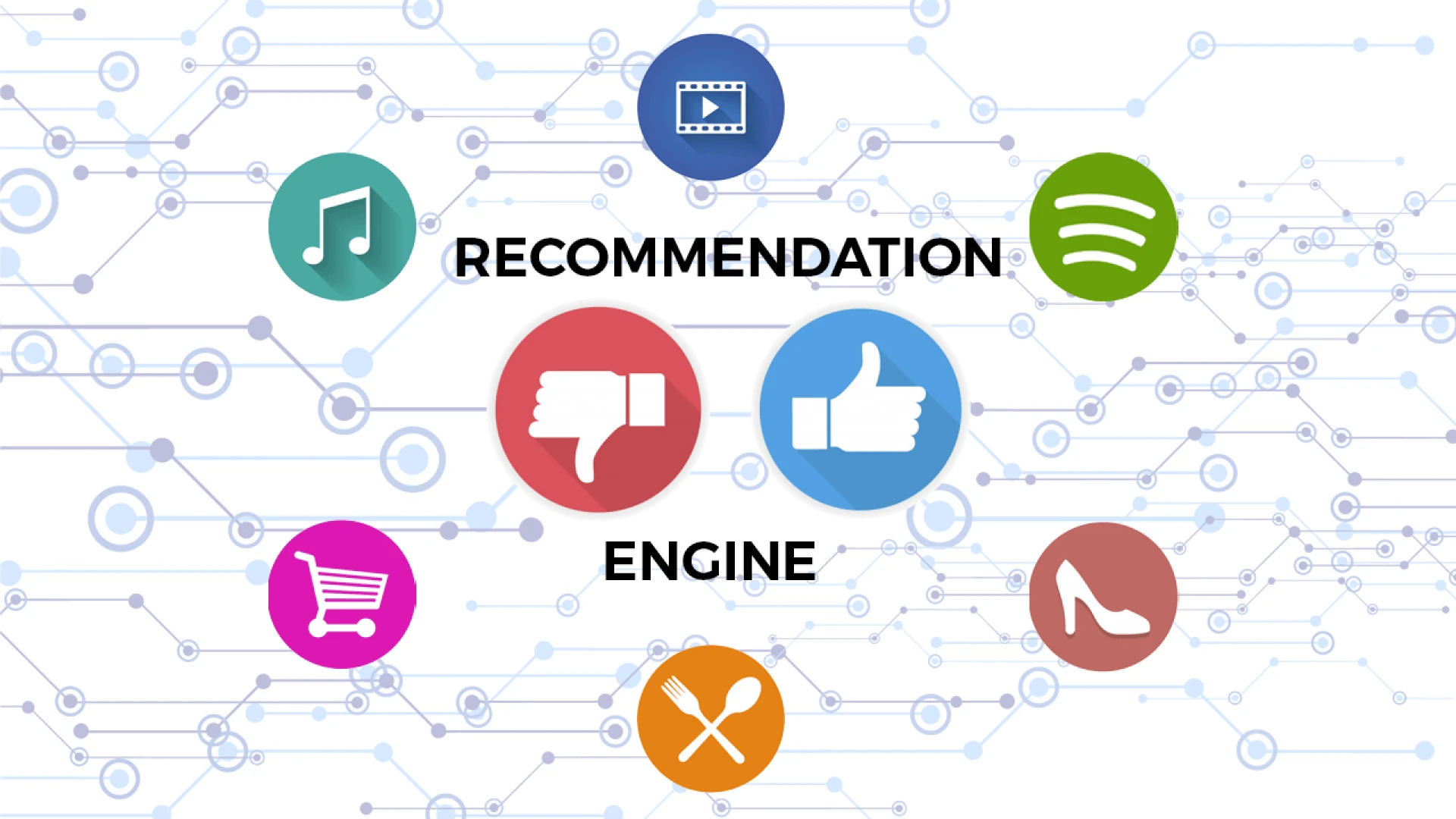
In today's hyper‑competitive digital marketplace, personalization isn’t just a feature it’s a necessity. Companies across e‑commerce, media, education, and entertainment are leaning into recommendation engine development to deliver hyper‑tailored experiences that drive engagement, retention, and revenue. Xillentech, a leading AI development company, excels in building sophisticated systems powered by collaborative filtering, content‑based filtering, and analytics-driven insights.
1. What Is a Recommendation Engine?
At its core, a recommendation engine uses AI and machine learning to analyze user behavior and preferences, suggesting products, content, or services that match individual tastes. These systems rely on:
- Collaborative filtering: Forecasting preferences based on similar users’ interactions.
- Content-based filtering: Matching items with similar attributes to those a user has liked before.
- Hybrid models that leverage strengths from both approaches.
Xillentech integrates these techniques to deliver personalized recommendations that feel intuitive, natural, and valuable.
2. Why Personalized Recommendations Matter
- Boost Engagement
- Personalized suggestion engines enhance user experience, encouraging deeper engagement across platforms. Gartner reports that 90% of users engage more when offered tailored content.
- Increase Sales and Retention
- McKinsey finds that recommended products dramatically increase purchase likelihood 80% of consumers prefer brands offering personalization.
- Optimize Conversion Rates
- Sites using content‑based filtering observe 45% higher click‑through rates 3. Xillentech’s Approach to Recommendation Engine Development
A. Data Collection & Customer Segmentation
Understanding user data (clicks, dwell times, purchase history) is critical. Xillentech segments customers into behavioral cohorts to tailor recommendations more effectively.
B. Collaborative & Content-based Filtering
- Collaborative filtering identifies patterns across user profiles to suggest items similar users prefer.
- Content-based filtering compares item features (e.g., category, metadata) to match user tastes.
- Hybrid solutions combine both to overcome cold-start and sparsity issues
C. Dynamic Content Curation
Systems adapt in real-time to changes in user behavior. Browsing a new product? The recommendation engine immediately adjusts suggestions. This drives higher engagement and CTRs.
D. Sales Optimization Strategies
By analyzing timing, cart patterns, and user behavior, the system can nudge upsells, cross-sells, and last-minute offers to maximize conversions.
E. Performance Analytics
Continuous monitoring click-through, conversion, retention enables AI iteration and tuning. Dashboards track these metrics, driving measurable improvements.
4. Use Cases Across Industries
- E‑commerce: Product recommendations powered by collaborative and content‑based filters.
- Media & Content platforms: Personalized news, videos, and articles dynamically curated.
- Education: AI suggests courses and modules tailored to learners’ strengths.
- Travel: Tailored destinations and deals based on traveler history.
- Entertainment: Personalized playlists and binge‑watch suggestions.
- Retail: Recommending products based on past purchases and customer journey.
5. Benefits of Partnering with Xillentech
Vendor‑Neutral Expertise
They integrate with any tech stack Shopify, Magento, AWS, Azure, or bespoke systems.
Security‑First Approach
Data privacy is central. Systems are designed with compliance and encryption from day one.
Sustainability Focus
Solutions are efficient and scalable, mindful of infrastructure costs and environmental impact.
Unmatched Technical Excellence
Built using frameworks like PyTorch, TensorFlow, Scikit‑Learn, Hugging Face, ONNX, and more.
Client-Centric & Results-Driven
Xillentech's case studies HandyNation and Scholar9—highlight results: 2× conversion rates and ~300% traffic growth.
Quick Development Cycle
6–12 weeks delivery, with costs tailored to project scope.
6. Development Process Summary
- Discovery & Ideation: Define objectives, KPIs, and system scope.
- Design & Architecture: Choose filtering methods, data frameworks, and integration plans.
- Implementation & Testing:
- Build pipelines for data ingestion.
- Develop training and inference modules.
- A/B test to fine-tune recommendations.
- Deployment & Monitoring:
- Deploy models to production.
- Set up analytics for system health.
- Periodic retraining and updates.
- Ongoing Optimization: Use analytics for continuous model improvement.
7. Frequently Asked Questions
Q: What exactly is a recommendation engine?
An AI-powered tool that suggests personalized products, services, or content based on historical data and user behaviour.
Q: Which industries gain the most?
Ecommerce, media, education, travel, retail, finance, and entertainment benefit significantly.
Q: What’s the typical project timeline?
Xillentech delivers robust systems in approximately 6–12 weeks, depending on complexity.
Q: How is accuracy assured?
Through hybrid algorithms, real-time data, A/B testing, and continuous optimization.
Q: Can the engine scale?
Yes designed to process large volumes via cloud-native, containerized architectures.
Q: What’s the cost?
Pricing varies on scope and data volume. Xillentech offers custom quotes aligned with ROI targets.
Conclusion
If you're committed to delivering personalized, dynamic, and engaging digital experiences, investing in recommendation engine development is a must. Xillentech’s AI‑powered, vendor-neutral, scalable systems built with collaborative filtering, content-based filtering, dynamic curation, and analytics unlock measurable boosts in engagement, conversions, and loyalty. With a proven 6–12‑week delivery path and case study successes to match, they’re positioned to help brands succeed in the personalization era.
























Sign in to leave a comment.