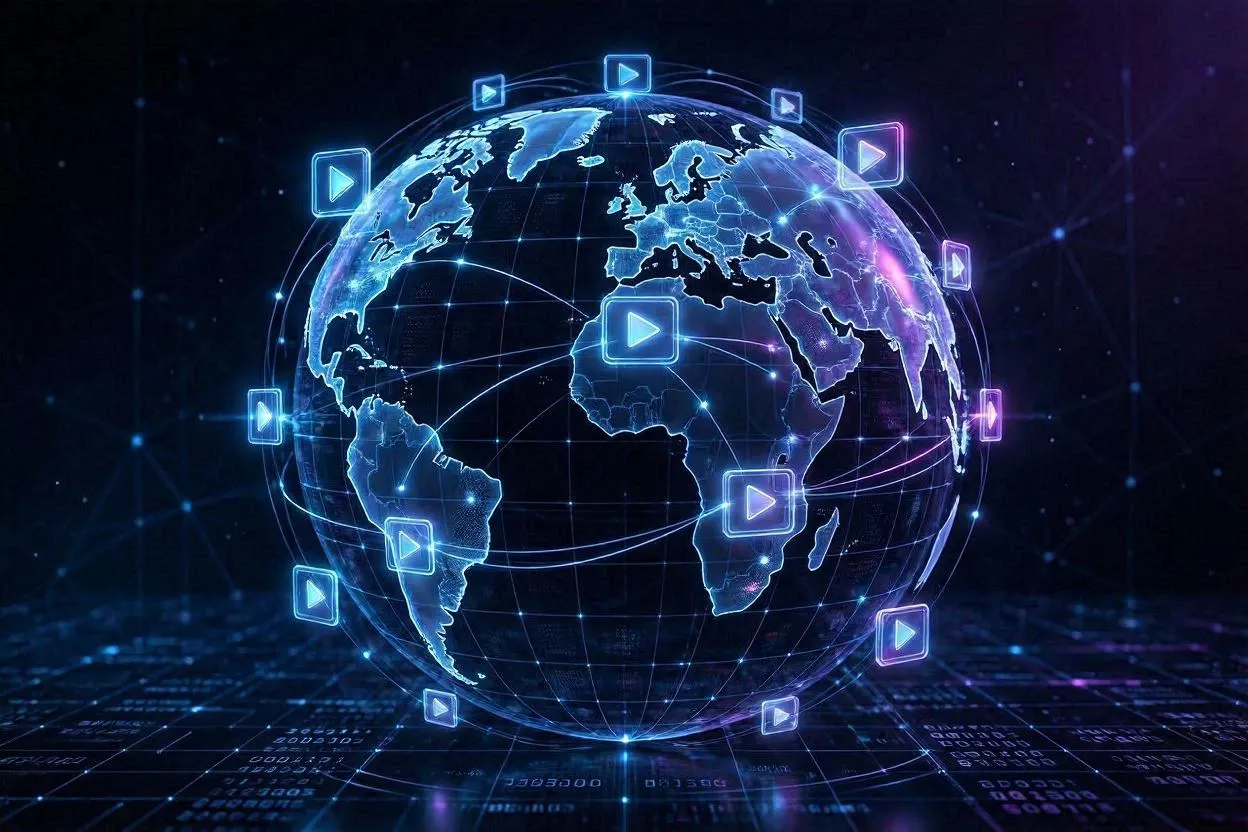

As we approach 2026, the digital consumption landscape has shifted from a "mobile-first" mentality to an "experience-first" demand. Modern audiences no longer tolerate a three-second lag or mid-roll buffering. For content creators and enterprises, the challenge isn't just about having great content; it’s about the invisible architecture that delivers it to a fragmented global audience across thousands of device types.
The Evolution of Content Distribution
The days of centralized servers are long gone. Today, the focus has shifted toward hyper-local distribution. With the rise of 8K resolution and spatial computing (AR/VR), the weight of video files has ballooned. This necessitates a robust video hosting cdn that utilizes edge computing to cache content as close to the end-user as possible.
By leveraging a distributed network of PoPs (Points of Presence), brands can ensure that a viewer in Tokyo experiences the same instantaneous playback as a viewer in New York. This isn't just about speed; it's about reducing the "Time to First Frame" (TTFF) and maintaining high bitrates even during peak traffic surges.
Real-Time Engagement: The New Standard
Static video is only half the story. The current trend reveals an insatiable appetite for real-time interaction. Whether it’s virtual town halls, e-sports, or live-commerce, the technical barrier has moved from "low latency" to "ultra-low latency."
Integrating high-performance live video streaming into your business model requires more than just a camera and an internet connection. It demands a workflow that handles ingestion, transcoding, and delivery in milliseconds. In 2026, interactivity—such as live polls, synchronized chat, and multi-angle viewing—is expected by default. If your stream lags thirty seconds behind the real-world event, the social "spoiler" effect destroys the user experience.
Solving the Scalability Paradox
One of the biggest hurdles for growing platforms is the "Scalability Paradox": how do you maintain consistent quality as your audience grows from a hundred to a million?
- Adaptive Bitrate Streaming (ABR): Your infrastructure must dynamically adjust video quality based on the viewer's real-time bandwidth.
- Multi-CDN Strategies: Relying on a single provider is a risk. Redundancy ensures that if one node fails, traffic reroutes seamlessly.
- Security at the Edge: As video becomes a primary communication tool, protecting intellectual property through DRM (Digital Rights Management) and geo-fencing is non-negotiable.
The Path Forward
As we look toward the mid-2020s, the winners in the digital space will be those who treat their delivery pipeline as a product feature, not just a technical necessity. It’s about creating a frictionless bridge between the creator’s vision and the viewer's screen.
By investing in sophisticated distribution networks and real-time protocols, companies can move beyond the "technical glitches" of the past and focus on what truly matters: storytelling and engagement. The infrastructure is no longer just a support act; it is the stage upon which modern digital experiences are built.


























Sign in to leave a comment.