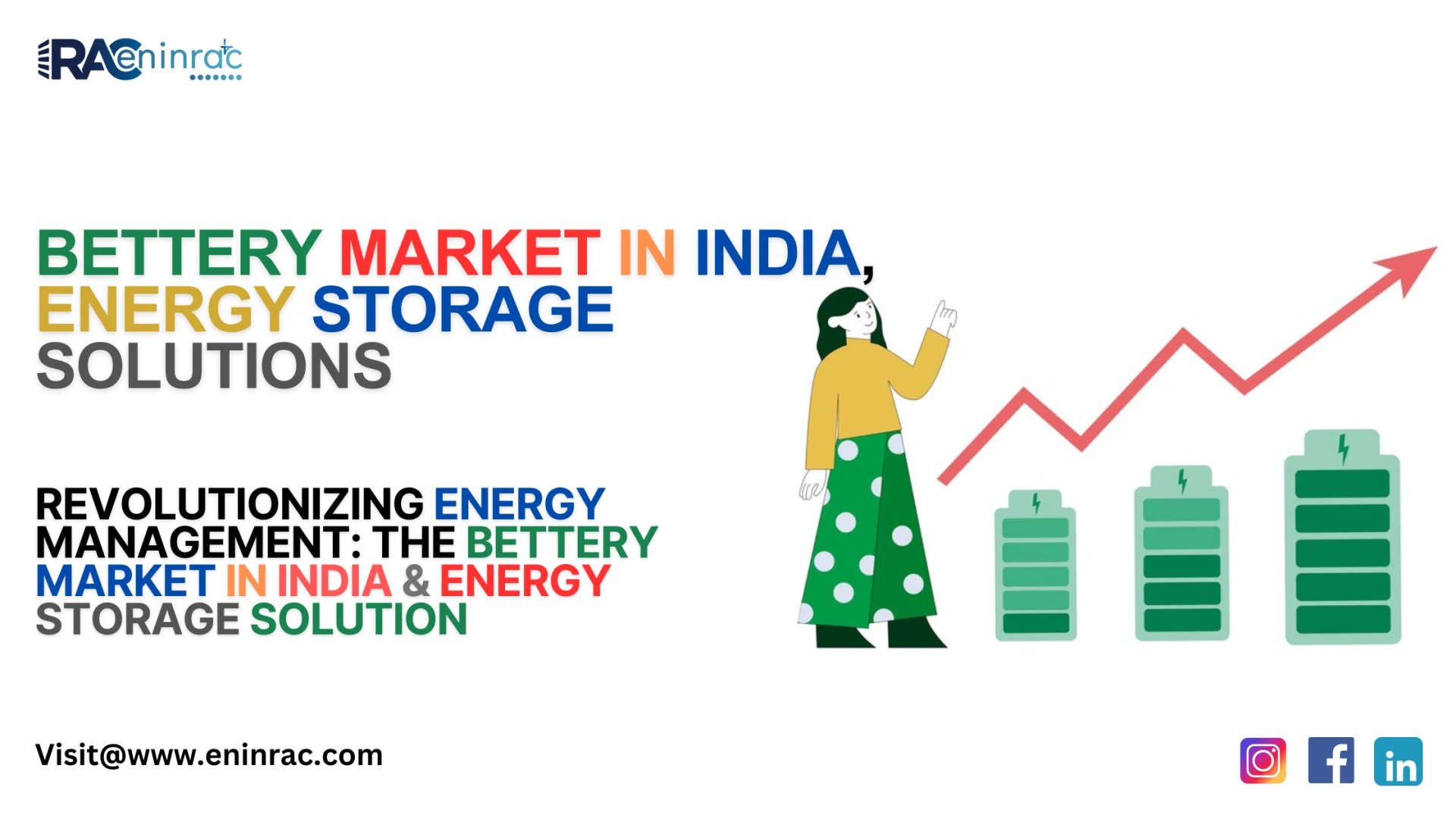

In the quest for sustainable energy solutions, India stands at a pivotal juncture. With its burgeoning population and rapid urbanization, the country faces unprecedented challenges in meeting its energy demands while minimizing environmental impact. The rise of renewable energy sources like solar and wind power offers promise, but effective energy storage solutions are essential to harness their full potential. Enter the bettery market, a burgeoning sector poised to revolutionize energy management in India.
Understanding the Energy Storage Solutions
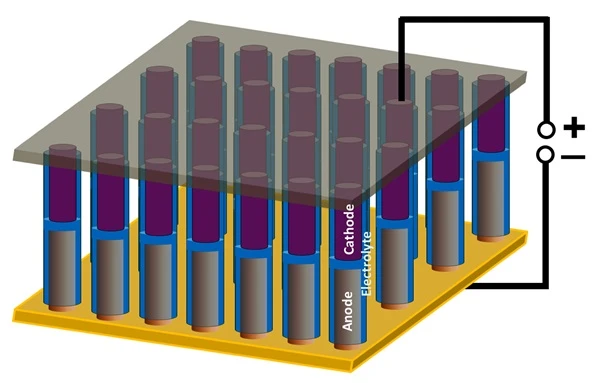
The term “bettery” encompasses a range of advanced energy storage technologies, including batteries, capacitors, and other innovative solutions. These devices play a crucial role in storing excess energy generated from renewable sources and redistributing it when needed, thereby enhancing grid stability and reliability.
In India, the bettery market is gaining traction thanks to favorable government policies, increasing awareness of environmental issues, and a growing emphasis on energy independence. The country’s ambitious renewable energy targets have further fueled demand for efficient storage solutions to balance the intermittency of sources like solar and wind power.
Driving Factors Behind the Growth
Several factors are driving the growth of the bettery market in India:
Government Initiatives: The Indian government has launched various initiatives and incentives to promote renewable energy adoption and energy storage deployment. Programs such as the National Solar Mission and the Faster Adoption and Manufacturing of Hybrid and Electric Vehicles (FAME) scheme encourage investment in clean energy technologies, including storage solutions.Technological Advancements: Advances in battery technology, including improvements in energy density, efficiency, and lifespan, are making energy storage more cost-effective and accessible. From lithium-ion batteries to emerging alternatives like flow batteries and solid-state batteries, innovations are expanding the possibilities for energy storage in India.Demand-Side Pressures: Rising energy consumption, coupled with concerns about grid stability and reliability, are driving demand for bettery solutions across various sectors. Industries, commercial establishments, and residential consumers are increasingly investing in energy storage systems to reduce electricity costs, improve backup power capabilities, and support sustainability goals.Integration of Renewable Energy: As India strives to increase the share of renewable energy in its electricity mix, the need for reliable storage solutions becomes paramount. Betteries enable smoother integration of solar and wind power into the grid by storing surplus energy during periods of high generation and releasing it during peak demand hours or when renewable output is low.Challenges and Opportunities
While the bettery market holds immense promise, it also faces significant challenges:
Cost Considerations: The upfront cost of energy storage systems remains a barrier for many consumers, especially in a price-sensitive market like India. However, falling prices of key components like lithium-ion batteries and supportive government policies are gradually making betteries more affordable.Technological Limitations: Despite rapid advancements, energy storage technologies still have limitations in terms of energy density, cycle life, and environmental sustainability. Addressing these challenges will require continued research and development efforts to enhance performance and address concerns related to resource depletion and recycling.Infrastructure Requirements: Scaling up energy storage infrastructure requires significant investments in manufacturing facilities, distribution networks, and grid integration capabilities. Building the necessary infrastructure poses logistical and financial challenges but also presents opportunities for job creation and economic development.Regulatory Framework: Developing a robust regulatory framework is essential to ensure the safety, reliability, and interoperability of energy storage systems. Clear standards and regulations governing installation, operation, and disposal will instill confidence among investors and consumers and facilitate market growth.The Path Forward
Despite these challenges, the future of the bettery market in India looks promising. To capitalize on this potential, stakeholders must collaborate to:
Promote Research and Innovation: Continued investment in research and development is essential to drive technological innovation and overcome existing limitations in energy storage technology. Public-private partnerships, academic collaborations, and government funding can accelerate progress in this area.Foster Market Competition: Encouraging competition among manufacturers and service providers will drive down costs and spur innovation. Policies that promote open access to the market, fair competition, and transparent pricing mechanisms will benefit consumers and stimulate market growth.Expand Infrastructure Investments: Investing in the expansion of manufacturing facilities, charging infrastructure, and grid integration capabilities will support the growth of the bettery market and create employment opportunities. Public investments, private partnerships, and international collaborations can help address infrastructure gaps and scale up deployment.Educate and Empower Consumers: Increasing awareness about the benefits of energy storage and providing incentives for adoption will stimulate demand and drive market growth. Consumer education programs, financial incentives, and favorable financing options can encourage widespread adoption of bettery solutions across various sectors.In conclusion, the bettery market in India holds immense potential to transform the country’s energy landscape and drive sustainable development. By overcoming technological, regulatory, and economic challenges and embracing opportunities for collaboration and innovation, India can emerge as a global leader in energy storage solutions, paving the way for a cleaner, more resilient energy future.






Sign in to leave a comment.