RF vs Microwave Network Analyzers

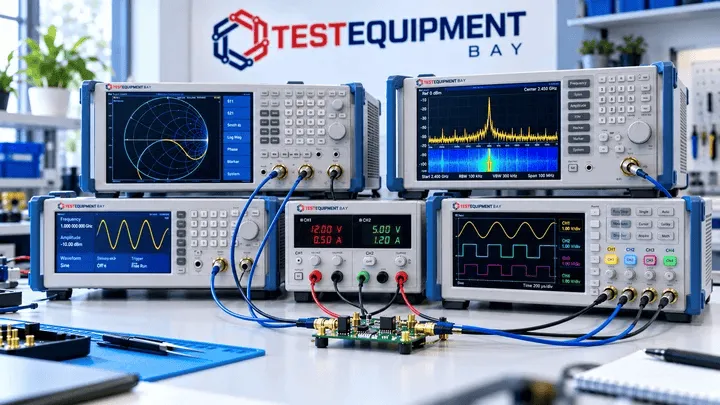
An RF network analyzer and a microwave network analyzer do the same job. They send a known signal into a device and measure what reflects and what passes through. The real difference is the frequency range, and everything that follows from it.
As frequency goes up, small details start to matter. A bent cable, a worn connector or a loose adapter can change the result, so calibration becomes more important and the cables and calibration kits become more specialized.
Choose an RF network analyzer for filters, amplifiers, antennas and cables in the lower RF range. Choose a microwave model for radar, satellite and waveguide components that operate higher.
Whichever you pick, check the number of ports, the dynamic range and the connector type. Decide whether you need options such as time-domain or mixer measurements, and make sure a calibration kit comes with the analyzer.
A detailed comparison is in this RF network analyzer guide.






Sign in to leave a comment.