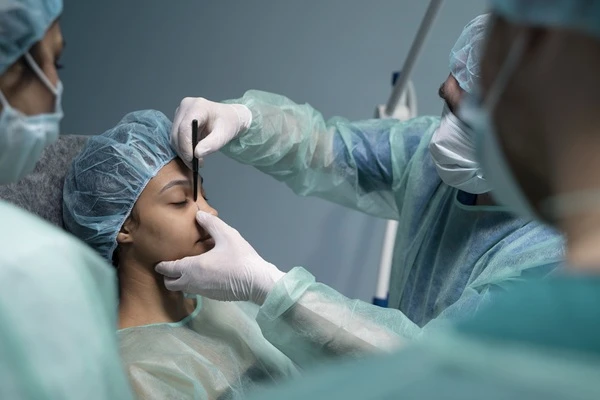
For many individuals, dissatisfaction with their nose doesn’t appear suddenly. It develops slowly—noticed in side profiles, photographs, or subtle reflections—and over time may affect self-confidence. People researching rhinoplasty in Kolkata are often seeking reassurance that their concerns are common, treatable, and can be addressed safely with natural-looking results.
This article explores the most frequent nose shape concerns, why they occur, and how modern rhinoplasty approaches them with anatomical precision and medical responsibility.
Why Nose Shape Matters in Facial Harmony
The nose sits at the centre of the face, playing a major role in overall balance. Even minor irregularities can influence how other features—such as the eyes, lips, and jawline—are perceived together.
Today, rhinoplasty focuses less on dramatic transformation and more on subtle refinement. The goal is to enhance proportion and symmetry while preserving the individual’s natural facial character.
Raised Nasal Bridge or Dorsal Hump
A prominent nasal bridge or dorsal hump is one of the most common concerns. It may be inherited or result from an old injury and often makes the profile appear sharp or dominant.
Correction involves precise reshaping of bone and cartilage to smooth the bridge. The emphasis is on achieving a soft, natural contour that blends with the rest of the face rather than creating an unnaturally flat profile.
Broad or Wide Nose
A nose may appear wide due to broader nasal bones, flared nostrils, or thicker skin. This is particularly common in individuals with ethnic facial features and requires a conservative, proportion-focused approach.
Surgeons focus on subtle narrowing while maintaining facial harmony. Over-correction can disrupt balance, which is why personalisation is essential.
Bulbous or Poorly Defined Nasal Tip
A rounded or heavy nasal tip often becomes more noticeable while smiling or in close-up images. This usually relates to cartilage structure or skin thickness rather than overall nose size.
Refinement involves reshaping internal support structures to improve definition, ensuring the tip looks natural both at rest and in motion.
Crooked or Asymmetrical Nose
Nasal asymmetry can result from uneven growth or past trauma—even injuries from years earlier. In some cases, this may also affect breathing.
Rhinoplasty addresses this by carefully realigning the nasal framework to restore symmetry and improve facial balance. Structural correction may also support better airflow when required.
Drooping Tip or Perceived Nose Length
A downward-pointing nasal tip can make the nose appear longer and may give the face a tired or aged appearance. Often, the concern is related more to tip position than actual length.
Adjusting the tip support allows for a more balanced angle between the nose and upper lip, improving proportions without altering the nose excessively.
Large or Flaring Nostrils
Some people feel their nostrils draw attention, especially during facial expressions. This concern is related to nostril width and shape rather than the entire nose.
When appropriate, conservative refinement can reduce nostril flare while preserving symmetry and natural contours.
What Rhinoplasty Cannot Change
Rhinoplasty has limitations. It cannot alter skin quality, stop natural aging, or recreate another person’s facial features. The most satisfying outcomes come from realistic expectations and a clear understanding of what anatomy allows.
Making an Informed Decision
Education is the foundation of any aesthetic decision. For those exploring rhinoplasty in Kolkata, a professional evaluation helps clarify whether concerns are aesthetic, structural, or both.
Many patients choose to seek guidance from experienced specialists such as Dr. V S Rathore, widely regarded among the best cosmetic surgeons in Kolkata, for a clear and personalised assessment of achievable outcomes.
Frequently Asked Questions
1. Can multiple nose concerns be corrected at once?
Yes. Rhinoplasty often addresses several issues—such as bridge shape, tip definition, and symmetry—in a single procedure.
2. Is rhinoplasty only cosmetic?
No. In some cases, it also improves nasal structure and breathing.
3. Will the results look natural?
When planned according to facial proportions, results are subtle and harmonious.
4. How long does it take to see final results?
Initial swelling reduces in weeks, but final definition develops over several months.
5. Are results permanent?
Yes. While the nose ages naturally, surgical changes are long-lasting.
























Sign in to leave a comment.