
When it comes to regional logistics, moving goods efficiently and cost-effectively is a top priority for businesses across the GCC. Thanks to strong trade ties and proximity, the UAE and Saudi Arabia share a thriving transport corridor. In this setup the road cargo to Saudi Arabia from Dubai plays a key role, offering a dependable and timely solution for shipments of all sizes. In this article, we'll explore how road cargo shipping works, why it’s a top choice for businesses, and how you can make the most of this logistics solution.
Why Choose Road Cargo to Saudi Arabia from Dubai?
1. Strategic Trade Route
The UAE and Saudi Arabia are connected by well-developed road infrastructure, including the famous Al Batha border crossing. This highway network enables a seamless and swift transportation process, helping companies reduce transit times and manage their supply chains more efficiently.
2. Cost-Effective Solution
Compared to air freight, road transport is significantly more affordable, especially for medium to large consignments. It allows businesses to optimize shipping costs while maintaining speed and reliability.
3. Flexible and Scalable
Whether you're sending a full truckload (FTL) or less-than-truckload (LTL), road cargo offers unmatched flexibility. From small businesses transporting limited goods to large corporations moving bulk shipments, the system scales according to the customer's needs.
How Road Cargo Shipping Works: Step-by-Step Guide
Step 1: Choose a Logistics Provider
The first step is selecting a reputable logistics company that specializes in road cargo to Saudi Arabia from Dubai. Look for companies that offer cross-border expertise, transparent pricing, and robust customer service.
Step 2: Documentation and Customs Clearance
Your logistics partner will guide you through the necessary paperwork, including invoices, certificates of origin, and customs declarations. Proper documentation ensures that your cargo clears both UAE and Saudi customs without delays.
Step 3: Packing and Loading
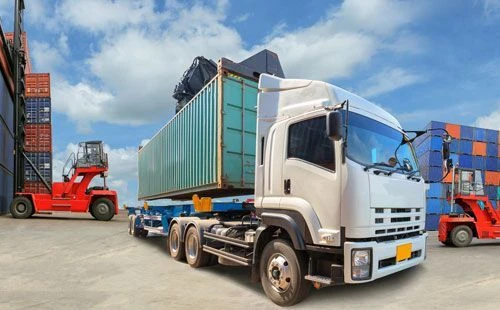
Secure and professional packing is essential to protect goods during transit. Once ready, the cargo is loaded into trucks typically container trucks, curtain-sided trailers, or flatbeds, depending on the type of goods being shipped.
Step 4: Transit and Tracking
After departure, the cargo travels via major highways towards the Saudi border. Many logistics companies offer real-time GPS tracking, giving you full visibility into your shipment's status at all times.
Step 5: Delivery and Offloading
Once the truck reaches its destination in Saudi Arabia whether it’s Riyadh, Jeddah, Dammam, or another city the cargo is offloaded and inspected as needed. Delivery is then confirmed with proof of receipt.
What Can Be Transported via Road Cargo?
Road freight is suitable for a wide range of goods including:
- Industrial equipment
- Electronics and appliances
- Retail products
- Automotive parts
- Construction materials
- Food and beverages (in temperature-controlled trucks)
However, it's important to comply with Saudi import regulations and avoid prohibited items like alcohol or certain pharmaceuticals.
Challenges and How to Overcome Them
While road cargo is generally reliable, there are a few challenges to consider:
1. Border Delays
During peak periods or due to policy changes, delays at border crossings can occur. To minimize this, work with experienced carriers who have a strong understanding of customs procedures.
2. Weather Conditions
Extreme heat or sandstorms can affect transport timelines. Using vehicles equipped for desert driving helps maintain schedules even in harsh conditions.
3. Regulatory Compliance
Laws and regulations in both countries can change. Regular updates from your logistics provider will keep your shipments compliant and avoid costly penalties.
Why Businesses Prefer Road Cargo
For many companies, road cargo represents the ideal balance between speed, safety, and cost. It also allows for easy integration with last-mile delivery solutions across Saudi Arabia. By partnering with reliable logistics experts, businesses gain full control over their supply chains, with the ability to scale and adapt as needed.
Conclusion
Road cargo to Saudi Arabia from Dubai is more than just a transportation option—it’s a strategic advantage for businesses involved in regional trade. From cost efficiency to logistical flexibility, this mode of transport continues to play a critical role in the supply chain operations of companies across various industries. By understanding how it works and why it’s beneficial, businesses can better navigate the complexities of cross-border logistics and ensure smooth, on-time deliveries.





























Sign in to leave a comment.