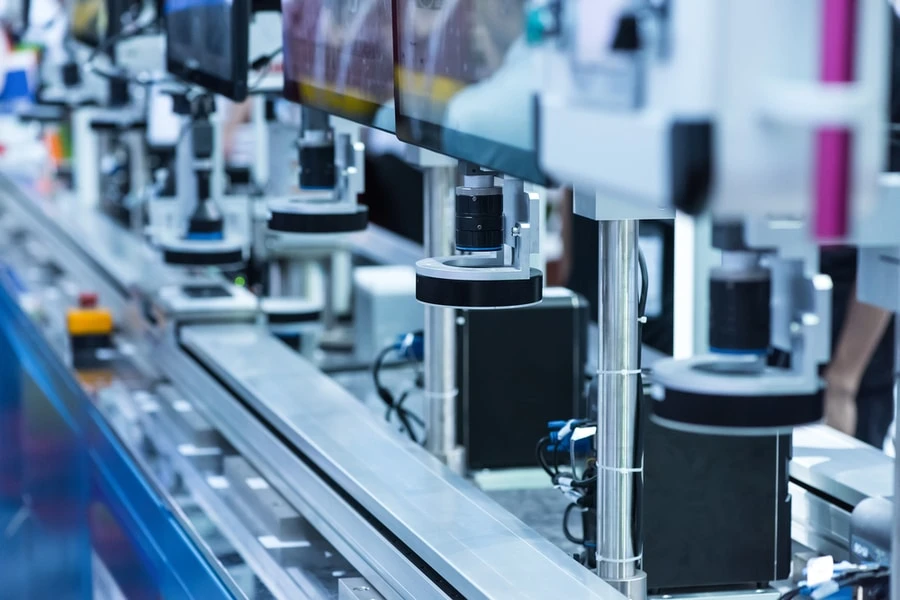

In the 21st century, robotic automation has emerged as one of the most transformative forces in global industry, redefining how products are manufactured, services are delivered, and challenges are solved. From assembly lines in automotive factories to precision surgeries in healthcare, robots are no longer confined to science fiction—they are integral to modern life. This article explores the evolution, applications, benefits, challenges, and future of robotic automation, offering insights into its profound impact on industries and society.
What is Robotic Automation?
Robotic automation refers to the use of programmable machines—equipped with sensors, artificial intelligence (AI), and mechanical actuators—to perform tasks traditionally carried out by humans. These systems range from simple, repetitive machines to highly sophisticated AI-driven robots capable of learning and adapting. The goal is to enhance efficiency, accuracy, and scalability while reducing costs and human error.
A Brief History
- 1950s–1960s: The first industrial robot, Unimate, was installed at a General Motors plant in 1961 to handle die-casting and welding.
- 1980s–1990s: Advancements in computing and programming enabled robots to perform complex tasks like painting and assembly.
- 2000s–Present: The integration of AI, machine learning, and IoT has revolutionized robotics, enabling collaborative robots (cobots), autonomous vehicles, and smart factories.
Types of Robotic Automation
Robotic systems are categorized based on their design, functionality, and level of autonomy:
1. Industrial Robots
- Description: Heavy-duty machines used in manufacturing for tasks like welding, material handling, and assembly.
- Examples: Fanuc’s robotic arms in automotive plants, ABB’s YuMi for small-parts assembly.
- Applications: Automotive, electronics, aerospace.
2. Collaborative Robots (Cobots)
- Description: Designed to work alongside humans, cobots are lightweight, flexible, and equipped with safety sensors.
- Examples: Universal Robots’ UR10, used in packaging and quality inspection.
- Applications: SMEs, healthcare, food production.
3. Autonomous Mobile Robots (AMRs)
- Description: Self-navigating robots using cameras, LiDAR, and AI to transport goods in dynamic environments.
- Examples: Amazon’s Kiva robots in warehouses, Boston Dynamics’ Spot for site inspections.
- Applications: Logistics, agriculture, construction.
4. Service Robots
- Description: Non-industrial robots serving humans in daily tasks, from cleaning to companionship.
- Examples: iRobot’s Roomba, SoftBank’s Pepper.
- Applications: Healthcare, hospitality, retail.
5. AI-Driven Robots
- Description: Robots powered by machine learning algorithms that improve performance over time.
- Examples: Tesla’s Optimus (humanoid robot), Intuitive Surgical’s da Vinci system.
- Applications: Surgery, customer service, R&D.
Applications Across Industries
Robotic automation is reshaping industries with unprecedented precision and efficiency.
1. Manufacturing
- Automotive: Robots handle 90% of tasks in car production, from welding to painting (e.g., Tesla’s Gigafactories).
- Electronics: High-speed robots assemble circuit boards and smartphones with micron-level accuracy.
- Pharmaceuticals: Automated systems manage drug dispensing, packaging, and lab testing.
2. Healthcare
- Surgical Robots: The da Vinci Surgical System enables minimally invasive procedures with 3D visualization.
- Rehabilitation: Exoskeletons like Ekso Bionics help patients regain mobility.
- Hospital Logistics: AMRs deliver medications and supplies in hospitals, reducing staff workload.
3. Logistics and E-Commerce
- Warehousing: Amazon’s fulfillment centers use over 200,000 robots to sort, pick, and pack orders.
- Last-Mile Delivery: Starship Technologies’ autonomous delivery robots serve urban areas.
4. Agriculture
- Precision Farming: Robots like John Deere’s See & Spray use AI to identify and eliminate weeds.
- Harvesting: Agrobot’s strawberry-picking robots reduce labor shortages in farming.
5. Energy and Construction
- Inspection Drones: Robots inspect wind turbines, oil rigs, and pipelines in hazardous environments.
- 3D Printing: Automated systems construct buildings using concrete and recycled materials.
Benefits of Robotic Automation
1. Increased Productivity
- Robots operate 24/7 without fatigue, boosting output by up to 30% in manufacturing.
- Example: Foxconn’s “lights-out” factories run fully automated production lines.
2. Enhanced Precision and Quality
- AI vision systems detect defects at 0.1mm accuracy, reducing waste.
- Example: BMW uses robotic arms to install car doors with perfect alignment.
3. Cost Reduction
- Automation cuts labor costs by 50–70% in repetitive tasks.
- Energy-efficient robots lower operational expenses.
4. Improved Workplace Safety
- Robots handle dangerous tasks like chemical handling or mining.
- Example: Demining robots like Mine Kafon save lives in conflict zones.
5. Scalability and Flexibility
- Cobots can be reprogrammed for new tasks in minutes, ideal for small-batch production.
6. Sustainability
- Precision agriculture reduces pesticide use by 80%.
- Automated recycling systems improve waste management.
Challenges and Ethical Considerations
1. High Initial Investment
- SMEs often struggle with the upfront costs of robotics (50,000–
- 50,000–500,000 per unit).
2. Workforce Displacement
- The International Federation of Robotics estimates 20 million manufacturing jobs could be automated by 2030.
- Reskilling programs are critical to transition workers into tech-driven roles.
3. Technical Limitations
- Robots struggle with unstructured environments (e.g., cluttered warehouses) and tasks requiring human judgment.
4. Cybersecurity Risks
- Connected robots are vulnerable to hacking, threatening data and operational integrity.
5. Ethical Dilemmas
- Bias in AI algorithms could perpetuate inequality.
- Autonomous weapons raise concerns about accountability in warfare.
The Future of Robotic Automation
1. Smarter AI Integration
- Self-Learning Robots: Systems like OpenAI’s Dactyl teach themselves to manipulate objects through trial and error.
- Predictive Maintenance: AI analyzes sensor data to prevent machine failures before they occur.
2. Human-Robot Collaboration
- Cobots 2.0: Next-gen cobots will understand natural language and gestures, enhancing teamwork.
- Emotional AI: Robots like PARO (therapeutic seal) respond to human emotions in elder care.
3. Sustainable Automation
- Green Robotics: Solar-powered agricultural robots and energy-efficient manufacturing systems.
- Circular Economy: Robots disassemble and recycle electronics to reduce e-waste.
4. Hyper-Personalization
- Custom Manufacturing: Robots enable on-demand production of personalized products, from shoes to prosthetics.
5. Expansion into New Frontiers
- Space Exploration: NASA’s Robonaut 2 assists astronauts on the ISS.
- Deep-Sea Robotics: Autonomous subs explore ocean floors for mining and research.
6. Regulatory Evolution
- Governments are drafting laws for robot ethics, data privacy, and liability (e.g., EU’s AI Act).
Case Studies
1. Amazon’s Robotic Warehousing
- Challenge: Meet surging e-commerce demand with speed and accuracy.
- Solution: Deployed 200,000+ Kiva robots to transport shelves, cutting order processing time by 75%.
- Result: Reduced operational costs by 20% and enabled same-day delivery for Prime members.
2. Toyota’s Human-Centric Automation
- Philosophy: “Robots should assist humans, not replace them.”
- Initiative: Developed cobots to reduce physical strain on factory workers, improving morale and productivity.
3. Intuitive Surgical’s da Vinci System
- Innovation: Robotic arms mimic a surgeon’s movements with enhanced precision.
- Impact: Over 10 million procedures performed globally, with fewer complications than traditional surgery.
Preparing for an Automated Future
1. For Businesses
- Invest in scalable automation solutions aligned with long-term goals.
- Partner with robotics integrators for seamless implementation.
2. For Workers
- Embrace lifelong learning to master robotics programming and AI management.
- Transition into roles like robot maintenance, data analysis, or system design.
3. For Governments
- Fund STEM education and vocational training for automation-related skills.
- Develop policies to ensure equitable access to automation benefits.
Conclusion
Robotic automation is not merely a technological shift—it is a societal revolution. By enhancing productivity, safety, and innovation, robots are solving some of humanity’s greatest challenges, from labor shortages to environmental sustainability. However, the path forward requires careful navigation of ethical, economic, and technical hurdles.
As AI and robotics continue to evolve, collaboration between humans and machines will define the next era of progress. Businesses, governments, and individuals must adapt proactively to harness automation’s potential while fostering inclusivity and resilience. The future is not about robots replacing humans; it’s about robots empowering us to achieve what was once unimaginable.
In the words of Elon Musk: “The factory of the future will have two employees: a man and a dog. The man will feed the dog. The dog’s job will be to keep the man from touching the equipment.” While this vision may be hyperbolic, it underscores the transformative power of robotic automation—and the imperative to embrace it wisely.
<a href="https://www.masterlinqueautomation.com/">automation machine manufacturers in chennai</a><a href="https://www.masterlinqueautomation.com/">best industrial automation company in chennai</a><a href="https://www.masterlinqueautomation.com/">automation manufacturing company</a><a href="https://www.masterlinqueautomation.com/">special purpose machine manufacturers in chennai</a><a href="https://www.masterlinqueautomation.com/">robotic automation in chennai</a><a href="https://www.masterlinqueautomation.com/">special purpose machine manufacturers</a><a href="https://www.masterlinqueautomation.com/">best automation manufacturing company in chennai</a>































Sign in to leave a comment.