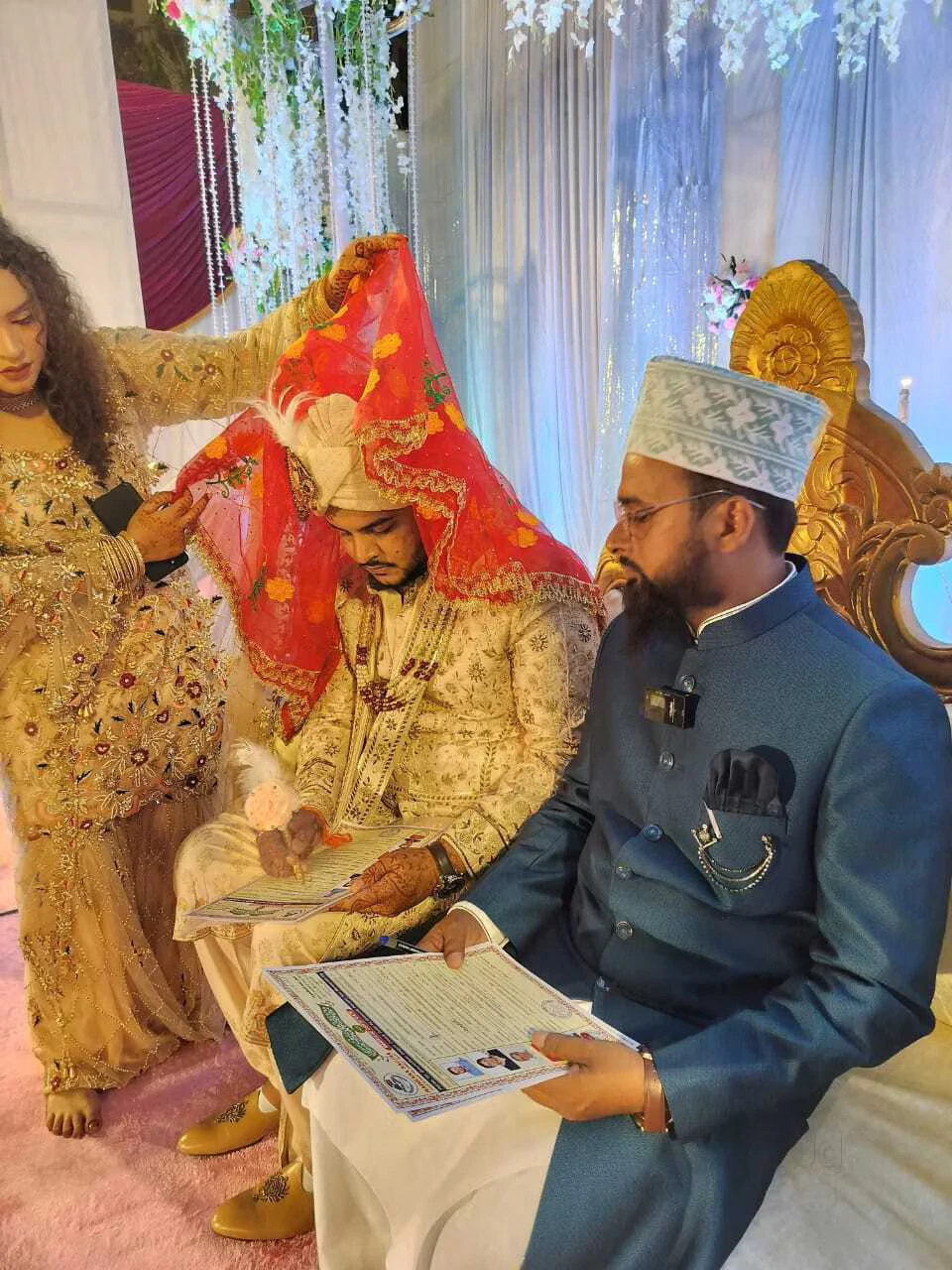

Marriage in Islam is a sacred contract built on mutual respect, consent, and responsibility. In addition to being a spiritual bond, marriage carries legal weight and must be documented properly. This is where the role of a Nikah Khawan becomes essential. A qualified marriage solemnizer not only leads the religious Nikah ceremony but also ensures all legal formalities and paperwork are completed correctly. Understanding the duties of a Nikah Khawan helps couples protect their marital rights and avoid legal complications.
Who Is a Nikah Khawan?
A Nikah Khawan is a person authorized to perform the Islamic marriage ceremony (Nikah). Traditionally, this role was reserved for Imams or religious scholars well-versed in Islamic principles. Today, registered and trained officiants also serve in this role, especially in cities and online platforms that provide marriage services.
Qualifications
A professional Nikah Khawan must:
- Have knowledge of the Quran and Sunnah regarding marriage
- Understand legal marriage registration rules in Pakistan
- Be capable of filling Nikah documents accurately
- Be registered with authorities where applicable
Their role bridges Islamic teachings with Pakistani legal requirements.
Religious Role of Nikah Khawan
Conducting the Nikah
The officiant recites the Khutbah-e-Nikah, emphasizes Islamic marital values, and facilitates offer and acceptance (Ijab-o-Qubool) between the bride and groom.
Witness Verification
Two Muslim male witnesses (or one male and two female witnesses) are required. The Nikah Khawan confirms their identities and presence.
Ensuring Consent
Consent is mandatory in Islam. The officiant confirms both partners agree willingly and based on jurisprudence, ensures a wali (guardian) for the bride if needed.
Supplication
After the contract, dua (prayer) is offered for the couple’s blessed and peaceful married life.
Legal Responsibilities of Nikah Khawan
Beyond religious duties, a Nikah officiant plays a critical legal role.
Accurate Documentation
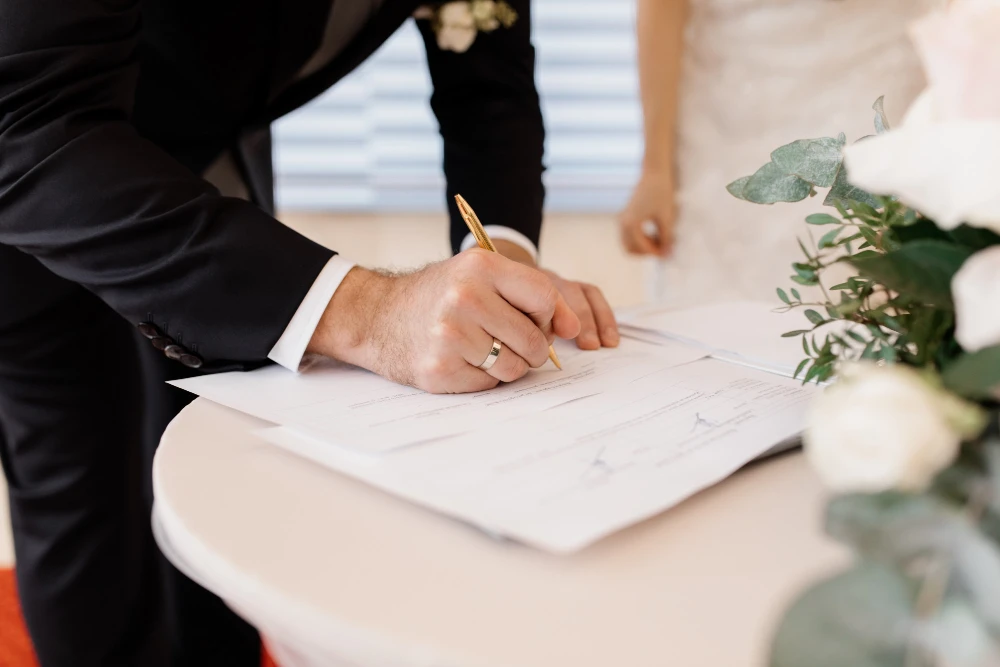
They prepare and fill out the Nikah Nama, ensuring:
- Correct names and CNIC numbers
- Mehar amount and type recorded
- Signatures of bride, groom, wali, and witnesses included
Registration
After the ceremony, copies are submitted to the Union Council or Cantonment Board. This step is crucial for creating official marriage records and later obtaining a computerized certificate.
Avoiding Errors
Mistakes in spelling, dates, or CNIC details can cause issues in immigration cases, inheritance matters, or court proceedings. A professional officiant prevents such errors.
Why Choosing a Registered Nikah Khawan Matters
A registered officiant ensures:
- Legal validity of marriage
- Proper registration and documentation
- Avoidance of fake or invalid Nikah documents
- Smooth process for future legal needs (passport, visa, CNIC updates)
Hiring unqualified or unregistered individuals can lead to disputes and difficulty proving marriage.
Verification of Nikah Khawan Credentials
To ensure legitimacy:
- Confirm Union Council registration
- Review identity proof or certification
- Check experience and feedback
- Verify religious and legal knowledge
Many professional services now verify and register Nikah officials to maintain authenticity.
Nikah Khawan in Online & Overseas Nikah
Online marriages are increasing, especially for overseas Pakistanis. In digital ceremonies, the officiant:
- Conducts the Nikah through video link
- Verifies CNIC/passport copies digitally
- Ensures presence of witnesses
- Prepares and submits Nikah Nama remotely
Afterward, couples can request computerized documentation through relevant offices. Services offering online nikah also help with follow-up submissions and legal attestation.
Nikah Khawan vs Court Marriage
In a regular religious Nikah, the officiant handles the Islamic process and documentation. In legal or court marriage cases, lawyers may assist along with the officiant. For example, when following the court marriage procedure in Islamabad, the Nikah may be supervised by legal professionals while ensuring religious requirements are fulfilled.
Ethical Responsibilities
A trustworthy Nikah officiant upholds:
- Fairness and transparency
- Protection against forced marriage
- Respect and confidentiality
- Guidance to the couple on rights and responsibilities
Their role is not just administrative, but ethical and spiritual.
Fee & Services
Charges vary by city, travel distance, and services included. Common services may include:
- Nikah ceremony
- Document preparation
- Union Council submission
- Copies of Nikah Nama
- Optional video khutbah and certificate assistance
Common Mistakes by Couples
- Choosing an unlicensed or inexperienced officiant
- Ignoring registration step after Nikah
- Overlooking spelling or CNIC errors
- Not keeping certified copies for immigration or passport updates
Preventing these mistakes protects marital rights legally and socially.
Conclusion
A Nikah Khawan plays a dual role: fulfilling Islamic Nikah requirements and ensuring proper legal documentation. From khutbah to paperwork, consent verification to government registration, their contribution is essential for a valid and protected marriage in Pakistan. Couples should always choose a qualified and registered officiant, verify documents, and follow up with the Union Council. For couples who later need to validate their record, guides such as the nadra marriage certificate online check help ensure their marriage is recorded and recognized officially.
Marriage is not just a ceremony it is a lifelong contract, and choosing the right officiant protects your rights, dignity, and future as a legally recognized couple.



























Sign in to leave a comment.