

Marriage in Pakistan is not just a spiritual commitment it’s also a legal agreement that must be documented and recognized by the law. The official proof of this union is the Nikah Nama, the Islamic marriage contract that outlines the rights and responsibilities of both spouses.
Over the years, Pakistan has modernized its registration system, replacing the traditional handwritten form with a computerized Nikah Nama. Both serve the same purpose, but their format, verification process, and legal recognition differ greatly. Let’s explore the key distinctions between the two and why switching to the computerized version is now essential.
What Is a Manual Nikah Nama?
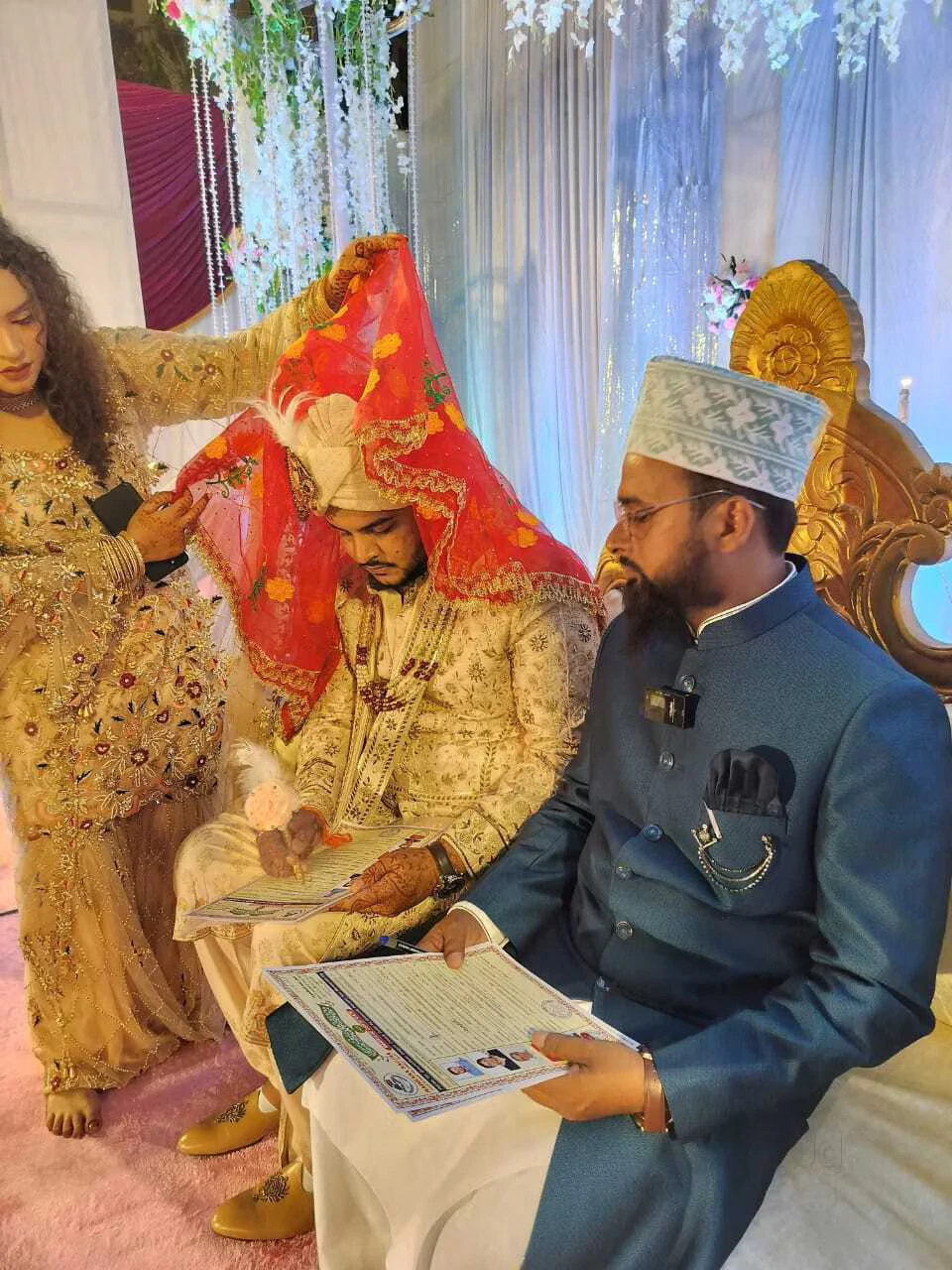
A manual Nikah Nama is the traditional handwritten marriage contract completed during the Nikah ceremony by a registered Nikah Khawan or marriage registrar. It records critical details such as the names and CNICs of the bride and groom, their addresses, the agreed amount of mehr, and the names of witnesses.
While this form is valid under Nikah Nama Pakistan law, it is considered the first step toward legal marriage documentation. To gain full legal standing, it must be submitted for registration at the Union Council or relevant local authority.
However, because it is handwritten, errors, unclear handwriting, or missing signatures can lead to legal complications or delays in processing.
What Is a Computerized Nikah Nama?
A computerized Nikah Nama is a modern, digital version of the same marriage contract, issued after official registration by the Union Council, Cantonment Board, or Arbitration Council.
It is printed in both Urdu and English and includes a unique registration number, official seals, and digital verification details. This makes it far more secure and globally recognized than the handwritten version.
Government departments, embassies, and immigration offices prefer computerized documents for authenticity and traceability. It is also the document required to obtain a NADRA marriage certificate, making it indispensable for legal and international use.
Legal Recognition and Use Cases
While both forms are legitimate, their recognition levels differ considerably. The manual Nikah Nama is accepted for local purposes but has limited use in official or international matters. In contrast, the computerized version is widely accepted by Pakistani and foreign authorities.
You’ll need the computerized version for:
- Passport and CNIC updates
- Visa and immigration applications
- Property and inheritance cases
- Family court matters
Because it is digitally recorded in government systems, the computerized Nikah Nama is considered more reliable proof of marriage and can be easily verified by official institutions.
How to Convert a Manual Nikah Nama into a Computerized One
Upgrading to a computerized version is a simple process when you follow the proper nikah nama registration steps.
- Submit your original manual Nikah Nama to the Union Council or the relevant local authority.
- Provide CNIC copies of both husband and wife, along with witnesses and the Nikah Khawan.
- Attach photographs of the couple and any required supporting documents (such as the groom’s and bride’s fathers’ CNIC copies).
- Request Urdu and English versions for domestic and international use.
- Once verified, the authority will issue the computerized version — officially recognized for use in Pakistan and abroad.
For those living overseas, professional Nikah and legal service providers in Pakistan can handle this process through power of attorney.
Why You Should Upgrade to a Computerized Nikah Nama
Upgrading is not just about convenience — it’s about security and recognition. A computerized document ensures that your marriage details are preserved digitally and cannot be tampered with. It is crucial for anyone applying for family visas, CNIC changes, or immigration documentation.
It also streamlines future applications, such as the marriage registration certificate NADRA or embassy attestation, without needing to resubmit your manual papers repeatedly.
Common Mistakes to Avoid
Many couples experience delays or rejections due to common errors:
- Submitting incomplete or unverified documents.
- Using an unregistered Nikah Khawan.
- Failing to apply for registration promptly after the ceremony.
- Forgetting to request both Urdu and English copies for foreign use.
To avoid these issues, always verify the registrar’s credentials and ensure your Nikah is conducted by a legally recognized Nikah Khawan. Professional Nikah services in Pakistan can assist with accurate documentation and verification.
Conclusion
Both manual and computerized Nikah Namas represent the sacred marital bond in Islam, but in the digital age, the computerized version has become the preferred and legally safer option.
It provides stronger legal proof, global recognition, and protection against loss or forgery. By completing your nikah nama registration and upgrading to the computerized version, you ensure your marriage is recognized both in Pakistan and internationally.
A well-documented and registered marriage not only fulfills your religious duty but also secures your legal rights ensuring that your union remains protected for life.






























Sign in to leave a comment.