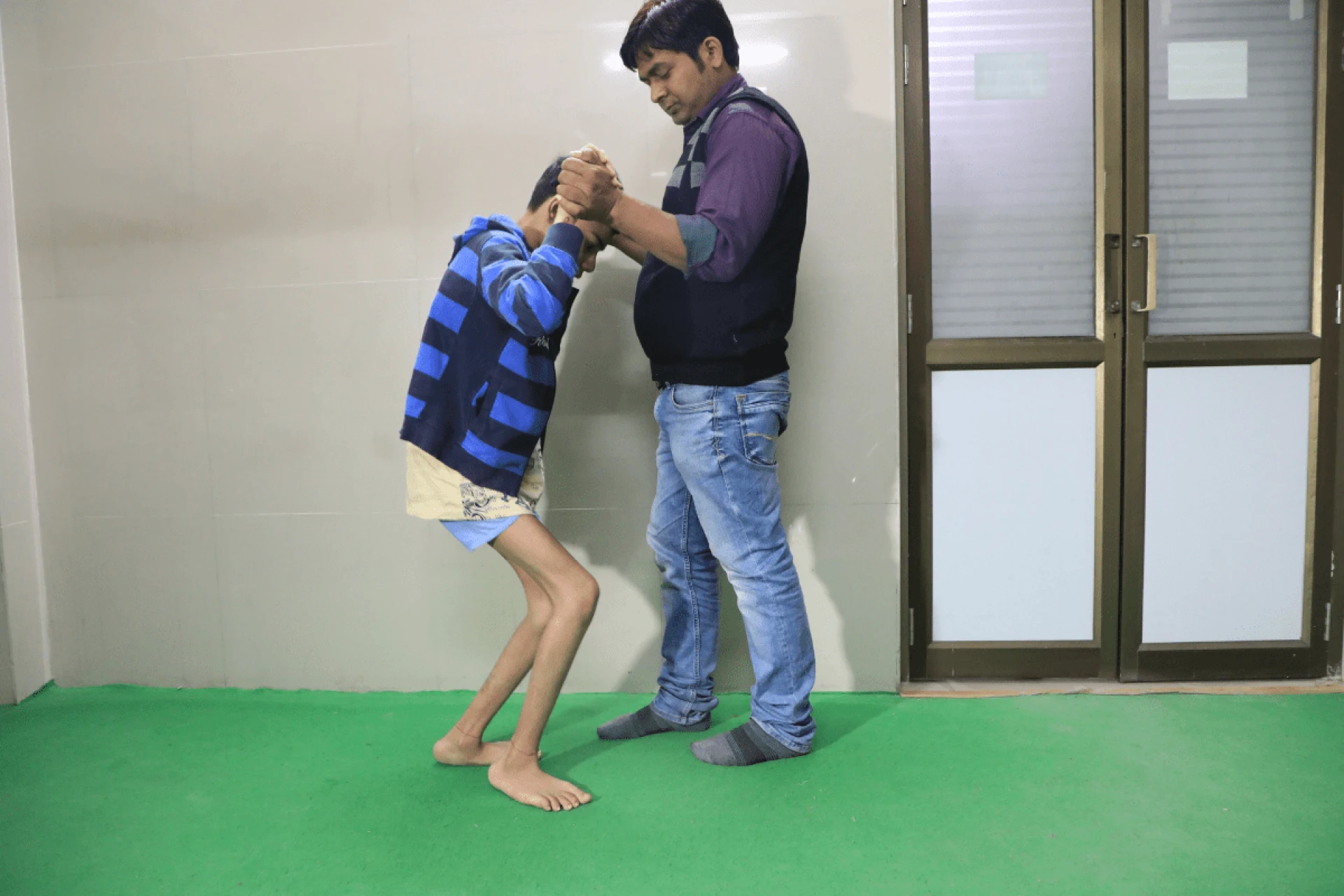

Ataxic Cerebral Palsy is one of the rare types of cerebral palsy that primarily affects balance, coordination, and fine motor control. Children with this condition often face challenges in performing routine daily activities like dressing, eating, writing, or even walking steadily.
Occupational therapy plays a vital role in helping these children develop independence, confidence, and better control over their body movements.
Understanding Ataxic Cerebral Palsy and Its Impact
Children with Ataxic Cerebral Palsy usually exhibit shaky movements, poor hand-eye coordination, and difficulty maintaining posture. These symptoms can make simple tasks extremely challenging. Since the cerebellum—responsible for coordination and balance—is affected, therapeutic interventions must focus on improving functional skills and adaptability.
How Occupational Therapy Helps
Occupational therapists work closely with children to strengthen motor skills through repetitive, targeted exercises. Activities such as grasping toys, stacking blocks, or drawing lines help to improve fine motor control. Therapists also introduce adaptive tools like weighted utensils or modified writing aids to make daily tasks easier.
Balance and coordination training form a major part of therapy. Using balance boards, therapy balls, or obstacle courses, children learn to control their body movements more effectively. In addition, sensory integration therapy helps them process visual and tactile input better, enhancing focus and coordination.
Developing Independence in Daily Living
The main goal of occupational therapy is to make children as independent as possible in their day-to-day lives. Therapists often simulate real-life scenarios—such as dressing, grooming, or toileting and to help children build confidence. These exercises not only improve physical function but also enhance cognitive and emotional development.
Family Involvement and Long-Term Benefits
Parents are trained to continue therapy-based activities at home, ensuring consistency and faster progress. With regular therapy and support, children with Ataxic Cerebral Palsy can achieve significant improvement in functional skills, social participation, and self-esteem.
In conclusion, occupational therapy is a cornerstone of treatment for children with Ataxic Cerebral Palsy, helping them navigate their world with greater independence and confidence.






























Sign in to leave a comment.