
Introduction
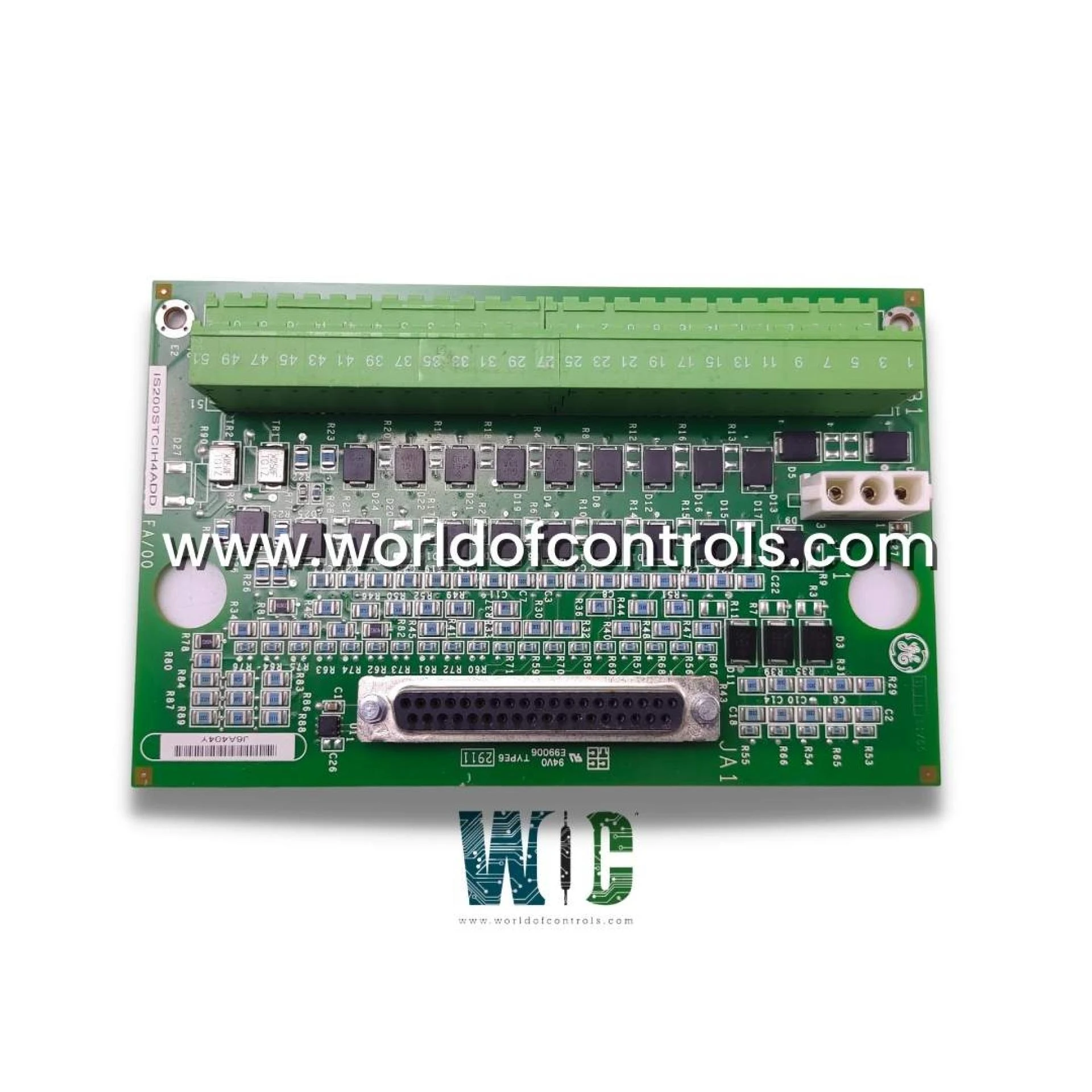
Modern turbine control systems rely on precise monitoring and rapid communication between field devices and the central control platform. One of the key components enabling this communication is the simplex contact input terminal board. These boards act as the interface between field contact signals—such as switches, relays, and sensors—and the turbine control system that processes and responds to them.
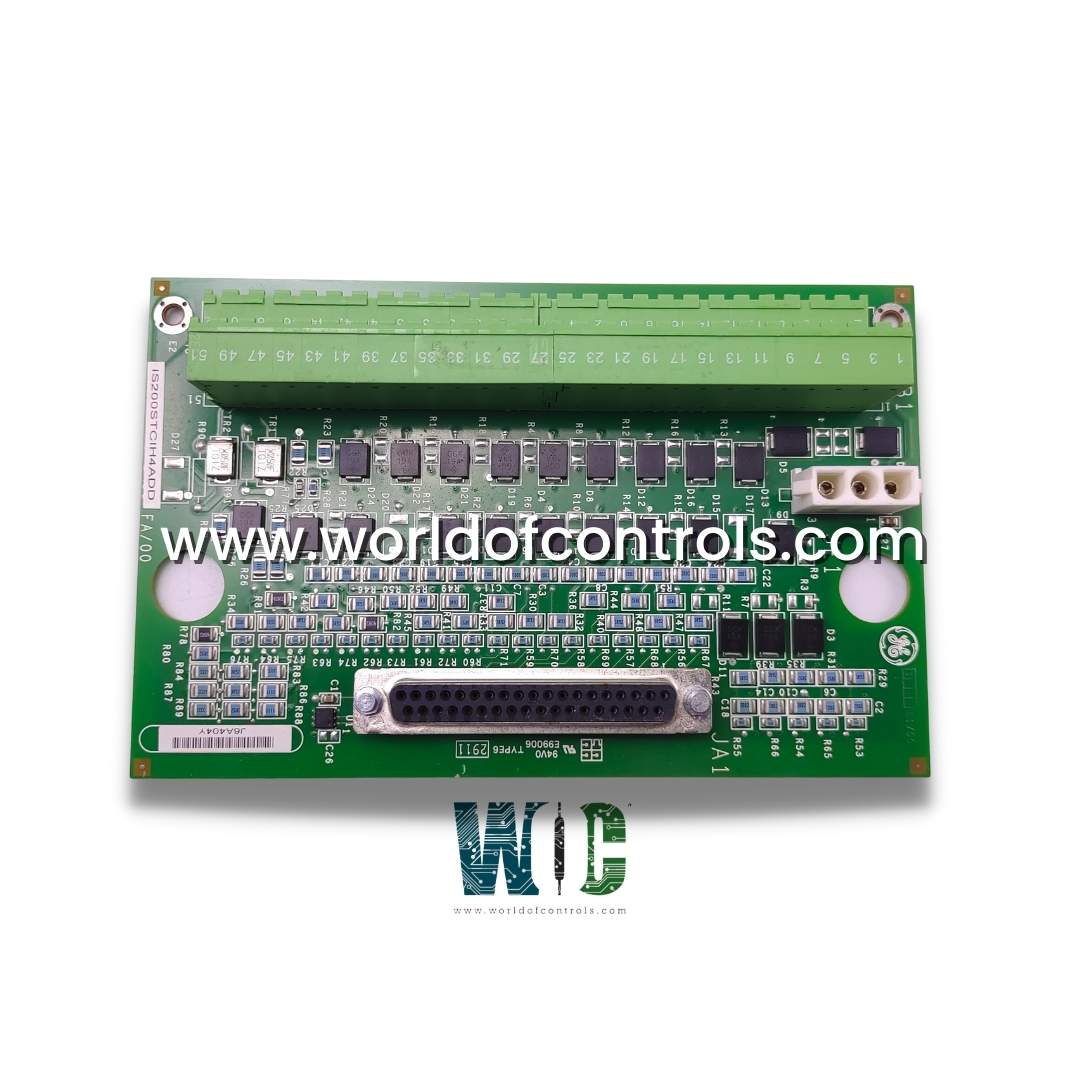
In large-scale industrial environments such as power plants, reliability and accuracy are critical. Simplex contact input terminal boards help ensure that control systems receive accurate data from field devices, enabling safe and efficient turbine operation.
Turbine Control Systems and Signal Monitoring
Turbine control systems are responsible for regulating speed, temperature, pressure, and overall operational stability. They gather information from numerous field devices installed throughout the turbine and its auxiliary systems.
Typical signals collected in turbine systems include:
- Valve position indicators
- Pressure and temperature switch outputs
- Emergency shutdown signals
- Limit switches and status indicators
Many of these signals are contact-based inputs, meaning they represent simple open or closed electrical circuits. Before these signals can be processed by the control processor, they must be properly routed and conditioned. This is where simplex contact input terminal boards play an essential role.
What Is a Simplex Contact Input Terminal Board?
A simplex contact input terminal board is designed to receive discrete input signals from field devices and transmit them to the control system in a structured and reliable manner.
The board acts as an interface layer between external equipment and the turbine’s control electronics. Its key responsibilities typically include:
- Accepting multiple contact input signals
- Organizing and routing signals to the control processor
- Providing electrical isolation or signal conditioning
- Ensuring reliable signal transmission
Because these boards operate in a simplex configuration, they handle signals through a single communication path rather than a redundant one. This configuration is commonly used in systems where standard reliability requirements are met without the need for full redundancy.
Role in Turbine Control Infrastructure
Within turbine control architecture, simplex contact input boards are usually installed inside control cabinets or I/O racks. Field wiring from switches and sensors is connected directly to the terminal points on the board.
The board then transfers the signals to the control module or I/O processor, where the data is interpreted and used for system decision-making.
These signals support critical turbine functions such as:
- Start-up and shutdown sequences
- Safety interlocks
- Equipment status monitoring
- Alarm generation
Accurate signal transmission is essential. Even a single missed or misinterpreted signal could affect turbine performance or safety.
Benefits of Using Simplex Contact Input Boards
The use of simplex contact input terminal boards offers several advantages in turbine control systems:
Simplified Wiring Management
Terminal boards provide organized connection points for numerous field signals, reducing wiring complexity inside control cabinets.
Reliable Signal Transmission
Proper signal routing ensures that discrete inputs are accurately communicated to the control processor.
Improved Maintenance and Troubleshooting
Clearly labeled terminal connections make it easier for technicians to diagnose issues and perform maintenance tasks.
Efficient Integration
Simplex contact input boards allow seamless integration between field devices and digital turbine control platforms.
Conclusion
Simplex contact input terminal boards are essential components in turbine control systems, providing the interface between field devices and the control processor. By organizing and transmitting discrete signals, these boards enable turbines to operate safely, efficiently, and reliably.
Their structured signal management supports accurate monitoring, timely response to alarms, and smooth turbine operation, making them a crucial element in modern industrial control systems.

























Sign in to leave a comment.