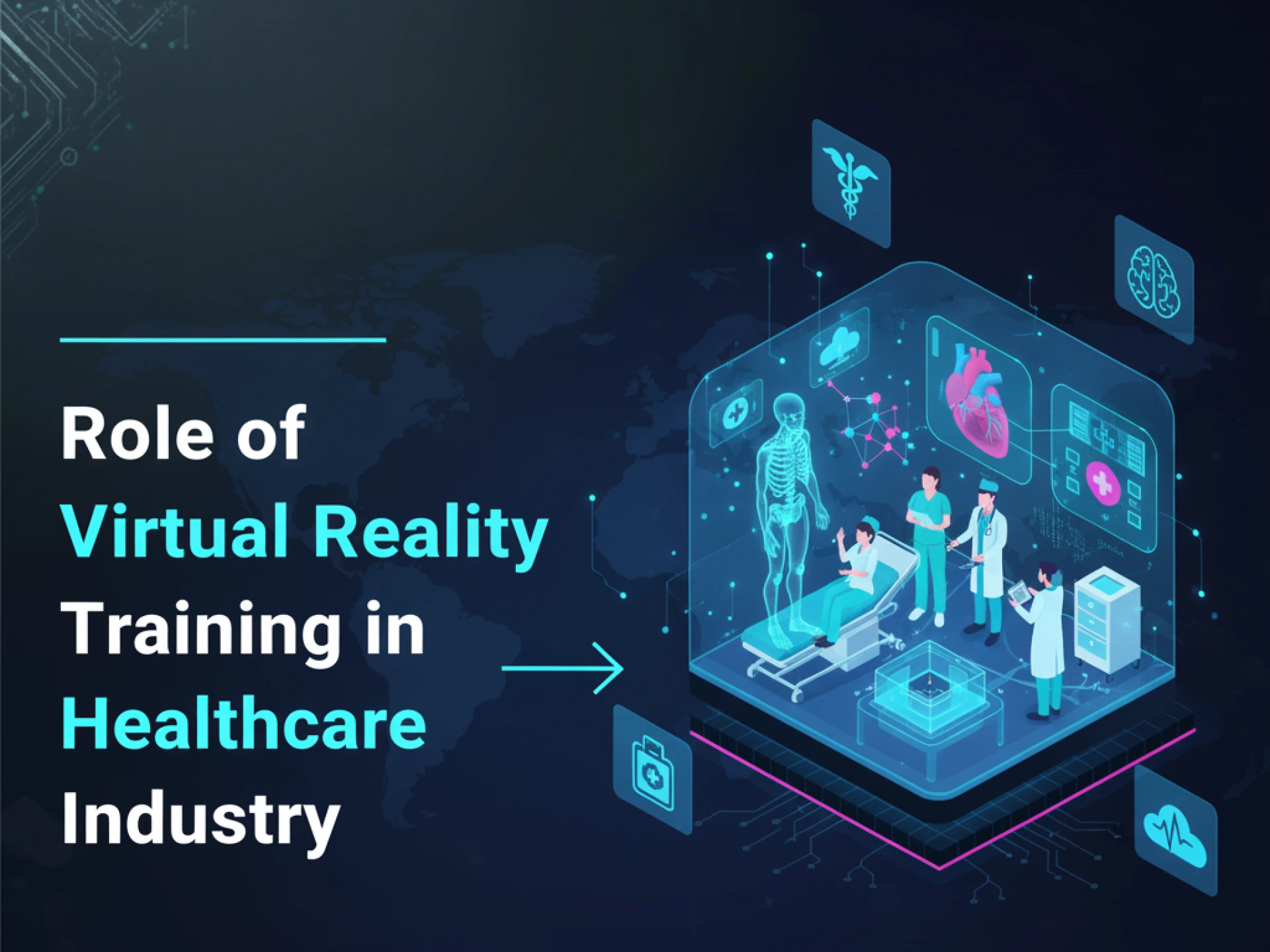

The healthcare industry is evolving rapidly, and new technologies are becoming essential for improving patient outcomes, reducing errors, and enhancing professional training. Among these innovations, Virtual Reality Solutions are gaining recognition as a powerful tool for medical education and patient care. VR creates immersive, realistic environments where healthcare professionals can practice procedures, learn new skills, and prepare for real-world scenarios without putting patients at risk.
By integrating VR solutions into training programs, hospitals and medical schools are reshaping how knowledge is transferred and applied. From surgery simulations to patient interaction scenarios, virtual training provides a safe, repeatable, and cost-effective way of educating healthcare staff at all levels.
Why Healthcare Needs Virtual Reality Training
The healthcare sector faces unique challenges that make training both complex and critical. Traditional training relies heavily on textbooks, supervised practice, and live patient interactions. While effective, this model has limitations such as restricted practice opportunities, high training costs, and potential risks to patients.
Virtual reality training solutions address these challenges by offering:
- Immersive learning experiences that mimic real-life hospital or surgical settings
- Unlimited practice opportunities without relying on patient availability
- Error-friendly environments where mistakes do not harm patients
- Standardized training modules that ensure consistency across medical staff
- Reduced training costs over time compared to traditional methods
This need for innovation has made VR an essential part of the healthcare transformation journey.
Applications of Virtual Reality Solutions in Healthcare Training
Surgical Training
Surgeons require years of practice before becoming proficient. With virtual reality simulation training, aspiring surgeons can perform procedures virtually and refine their skills in a controlled environment. They can repeat complex surgeries multiple times, adjust to complications, and receive real-time feedback.
Emergency Response Training
Paramedics and emergency teams often face life-or-death situations where decisions must be made within seconds. VR creates high-pressure scenarios that simulate accidents, cardiac arrests, or trauma cases, allowing professionals to practice responses and decision-making in a risk-free environment.
Patient Care and Communication
Medical staff must also learn how to interact with patients effectively. Virtual reality training solutions can simulate conversations with patients experiencing different emotional states, helping professionals develop empathy, improve communication, and strengthen bedside manner.
Specialized Procedures
Certain medical procedures are rare but critical. For example, neonatal resuscitation or organ transplant preparation can be simulated through VR solutions, giving staff the confidence to perform them correctly if the need arises.
Safety Training in Healthcare Settings
Virtual Reality Safety Training is equally important in hospitals. VR modules can train staff on how to manage infectious diseases, handle hazardous materials, and follow proper safety protocols, reducing workplace risks significantly.
Benefits of VR Training for Healthcare Professionals
- Hands-on Experience without Risks
- Trainees can practice procedures without harming patients, making VR an ethical choice.
- Personalized Learning
- VR training can adapt to the pace of the learner, allowing slower or faster progression based on performance.
- Increased Retention Rates
- Studies show that immersive training enhances retention compared to traditional learning.
- Accessibility and Scalability
- Hospitals and medical schools can scale VR modules across locations, making high-quality training accessible to more people.
- Cost-effectiveness
- Although initial setup requires investment, VR simulation development reduces long-term costs by minimizing the need for physical equipment and repeated instructor-led sessions.
How Virtual Reality Solutions Support Digital Transformation in Healthcare
Healthcare organizations worldwide are embracing digital strategies to modernize operations. Virtual reality solutions are an integral part of this movement, offering advanced tools for workforce development. When hospitals collaborate with a virtual reality solution company, they gain access to specialized expertise for designing and implementing training modules that align with organizational goals.
This shift toward digital training aligns with broader healthcare transformation initiatives such as electronic health records, telemedicine, and AI-powered diagnostics. VR fits seamlessly into this digital ecosystem, ensuring that healthcare professionals remain equipped with modern skills.
Real-World Examples of VR in Healthcare Training
- Johns Hopkins University uses VR for surgical practice, allowing students to engage in realistic simulations of brain and spinal procedures.
- Cleveland Clinic employs VR training solutions for cardiac surgery preparation, enabling surgeons to plan and rehearse complex procedures before performing them on patients.
- National Health Service (UK) integrates VR-based safety training modules for nurses and emergency responders, helping them handle infectious disease protocols more effectively.
These examples demonstrate how global healthcare institutions are adopting VR solutions to ensure better patient care and reduce risks.
The Role of VR Simulation Development in Healthcare
For VR training to be effective, it must be tailored to healthcare needs. VR simulation development involves designing realistic 3D environments, integrating real-world medical data, and adding interactive tools for learners. This includes:
- Building lifelike anatomical models
- Creating interactive surgical tools
- Designing patient avatars with varied medical conditions
- Incorporating performance tracking and feedback systems
Collaboration between healthcare professionals and VR developers ensures the simulations meet real-world standards while providing accurate medical training.
Challenges in Adopting Virtual Reality Solutions in Healthcare Training
Despite the benefits, challenges exist in adopting VR technology:
- High Initial Investment for VR equipment and simulation software
- Technical Expertise Required to manage and update systems
- Resistance to Change from medical professionals accustomed to traditional methods
- Limited Research Data on long-term effectiveness of VR training compared to hands-on methods
However, as technology costs decrease and success stories grow, these barriers are becoming easier to overcome.
Future of Virtual Reality Training in Healthcare
The future of VR in healthcare looks promising, with innovations continuing to reshape how professionals learn. Key future trends include:
- AI-driven VR simulations that adapt to user performance in real time
- Integration with Augmented Reality for hybrid training models
- Wider adoption of VR Safety Training to improve workplace safety in hospitals
- Remote VR training modules enabling access for medical staff in rural or underserved regions
As healthcare continues to embrace digital transformation, VR will be at the forefront of training innovation, making it one of the most valuable investments for the future of medicine.
Summary
The role of Virtual Reality Solutions in healthcare training is becoming more important with each passing year. From surgical practice to emergency response and patient communication, VR is providing immersive, risk-free environments for medical education. Hospitals and universities worldwide are already leveraging VR solutions to improve efficiency, reduce costs, and deliver safer patient care.
With advancements in virtual reality simulation training, healthcare professionals can acquire hands-on experience, increase their confidence, and deliver better outcomes.

























Sign in to leave a comment.