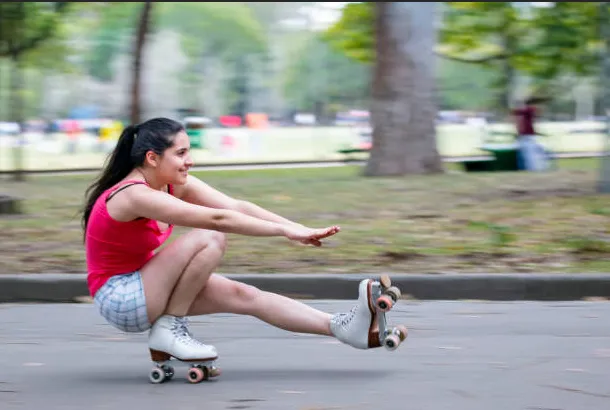

Backward skating looks smooth, effortless, and fun, but for beginners, it can feel like stepping into the unknown. The moment you stop looking in the direction you are moving, balance, coordination, and confidence are suddenly tested in completely new ways.
Many skaters rush into learning backward moves too soon, only to struggle with shaky posture, poor control, or frequent falls. That is why strong fundamentals matter before attempting this exciting skill. The best roller skate lessons focus on building core techniques first, helping skaters feel stable, controlled, and ready for the challenge ahead.
In this guide, you will learn exactly what to master before trying backward skating with confidence.
Key Takeaways
- Backward skating requires strong balance, posture, and body control before attempting advanced movements.
- Mastering forward skating first helps build coordination and confidence for reverse motion.
- Safe stopping techniques like the toe stop, drag, and T-stop are essential before learning backward gliding.
- Edge control improves stability, steering, and smoother movement while skating backward.
- Starting with slow backward walking helps beginners adjust to the unfamiliar direction safely.
- Consistent practice and proper posture make backward skating feel more natural over time.
- Structured roller skate lessons provide guided progression, safer learning, and faster skill improvement.
Backward Roller Skate Lessons: Skills You Should Learn First
Building Strong Balance and Stability
Understanding Center of Gravity
Balance is the core of skating in any direction. When moving backward, your center of gravity becomes even more important because your natural instincts may pull you off balance.
In well-structured roller skate lessons, beginners are taught to slightly bend their knees, keep their core engaged, and maintain an upright posture. This position helps distribute weight evenly across the skates.
Practicing Static Balance
Before rolling backward, start with stationary balance drills:
- Stand still on skates and shift weight from one foot to the other.
- Practice lifting one foot briefly without losing control.
- Hold a stable stance for longer periods.
These exercises build confidence and prepare your body for controlled movement.
Mastering Forward Skating First
You cannot skip forward skating and expect to succeed backward. Strong forward skating builds muscle memory, which later transfers into reverse motion.
Key forward skills include:
- Smooth pushing and gliding
- Controlled turning
- Consistent rhythm
Most skate lessons emphasize mastering forward movement before introducing backward techniques.
Developing Smooth Transitions
A critical step before backward skating is learning how to transition from forward to backward. This includes:
- Two-foot turns
- Step turns
- Pivot movements
These transitions help you enter backward skating safely rather than forcing movement in the wrong direction.
Learning How to Stop Safely
Essential Stopping Techniques
Stopping becomes more challenging when moving backward because visibility is limited. Without reliable stopping methods, backward skating can feel risky.
Important stopping skills include:
- Toe stop drag
- T-stop
- Plow stop
Practicing these in roller skate lessons ensures you can control speed at all times.
Building Reaction Confidence
Knowing you can stop quickly reduces fear. This confidence allows you to focus on technique instead of worrying about losing control.
Strengthening Leg Control and Coordination
Backward skating relies on subtle leg movements rather than strong pushes. Each foot must move in harmony to create smooth motion.
Exercises to improve coordination:
- Slow marching steps on skates
- Side-to-side weight shifts
- Controlled gliding drills
These drills are often introduced in beginner-friendly skate lessons to build muscle awareness.
Developing Muscle Memory
Repetition is key. The more consistently you practice controlled movements, the more natural backward skating will feel.
Each skate has inner and outer edges. Learning to control these edges allows you to steer and maintain balance.
In backward skating, edge control becomes essential because:
- It helps guide direction.
- It prevents sudden slips.
- It improves overall flow.
Practicing Edge Awareness
Simple drills include:
- Rolling gently and leaning slightly inward or outward.
- Practicing curved paths instead of straight lines.
- Focusing on controlled pressure rather than force.
Proper roller skate lessons teach edge control early to prevent bad habits.
Starting with Backward Walking
Before gliding backward, start with a walking motion. This helps your body adjust to the unfamiliar direction.
Steps to follow:
- Keep knees bent and body relaxed.
- Take small steps backward.
- Maintain balance without rushing.
This stage is especially helpful for beginners and for kids roller skating, where confidence-building is essential.
Progressing to Backward Gliding
Once walking feels comfortable, you can transition into gliding:
- Push lightly with one foot.
- Allow the other foot to glide.
- Keep movements slow and controlled.
Avoid rushing into speed. Smooth, steady motion is more important than distance.
Maintaining Posture
Posture plays a major role in backward skating success:
- Keep your head up.
- Avoid leaning too far back.
- Engage your core for stability.
These habits are reinforced in structured roller skate lessons to ensure safe progression.
Practicing Safe Environments
Choosing the Right Surface
Learning backward skating requires a controlled environment:
- Smooth, flat surfaces
- Open spaces with minimal obstacles
- Areas with good lighting
Avoid crowded or uneven surfaces until you gain confidence.
Using Support When Needed
Beginners can use:
- Walls or rails
- A partner for guidance
- Protective gear like wrist guards and helmets
This approach is especially useful in kids' roller skating, where safety and reassurance are priorities.
How Structured Learning Improves Progress
Benefits of Professional Guidance
Learning on your own can work, but guided instruction offers clear advantages:
- Step-by-step progression
- Immediate feedback
- Safer learning environment
Quality roller skate lessons are designed to build skills gradually, reducing frustration and improving results.
Building Confidence Through Consistency
Consistency matters more than intensity. Regular practice, even in short sessions, leads to steady improvement.
Conclusion
Learning to skate backward is a rewarding milestone that enhances control, confidence, and overall movement on wheels. It is not about rushing into advanced skills, but about building a strong foundation through balance, coordination, and reliable stopping techniques. With the right preparation, backward skating becomes smoother and far less intimidating.
Structured roller skate lessons provide the guidance needed to progress safely while avoiding common mistakes. They help you develop proper posture, controlled movement, and better awareness of your body positioning. Over time, consistent practice turns unfamiliar motions into a natural flow.
As confidence grows, backward skating becomes an enjoyable and seamless part of your routine, allowing you to move with greater freedom, precision, and comfort in every session.
Ready to build confidence and master backward skating the right way? Join expert-led roller skate lessons at Skates Out Virtual and learn essential techniques in a safe, supportive, and fun environment.
FAQs
How long does it take to learn backward skating?
It varies by individual, but most beginners see progress within a few weeks of consistent practice. Structured guidance can speed up learning.
Do I need special skates for backward skating?
No, standard roller skates work fine. However, well-maintained wheels and proper fit improve control and comfort.
Is backward skating harder than forward skating?
Yes, it requires more coordination and awareness. That is why mastering the basics first is important.
Can children learn backward skating easily?
Yes, with proper guidance and patience. Programs focused on kids' roller skating often introduce backward skating in a safe, gradual way.
What should I wear while learning?
Protective gear such as helmets, wrist guards, and knee pads is highly recommended, especially during early practice stages.



























Sign in to leave a comment.