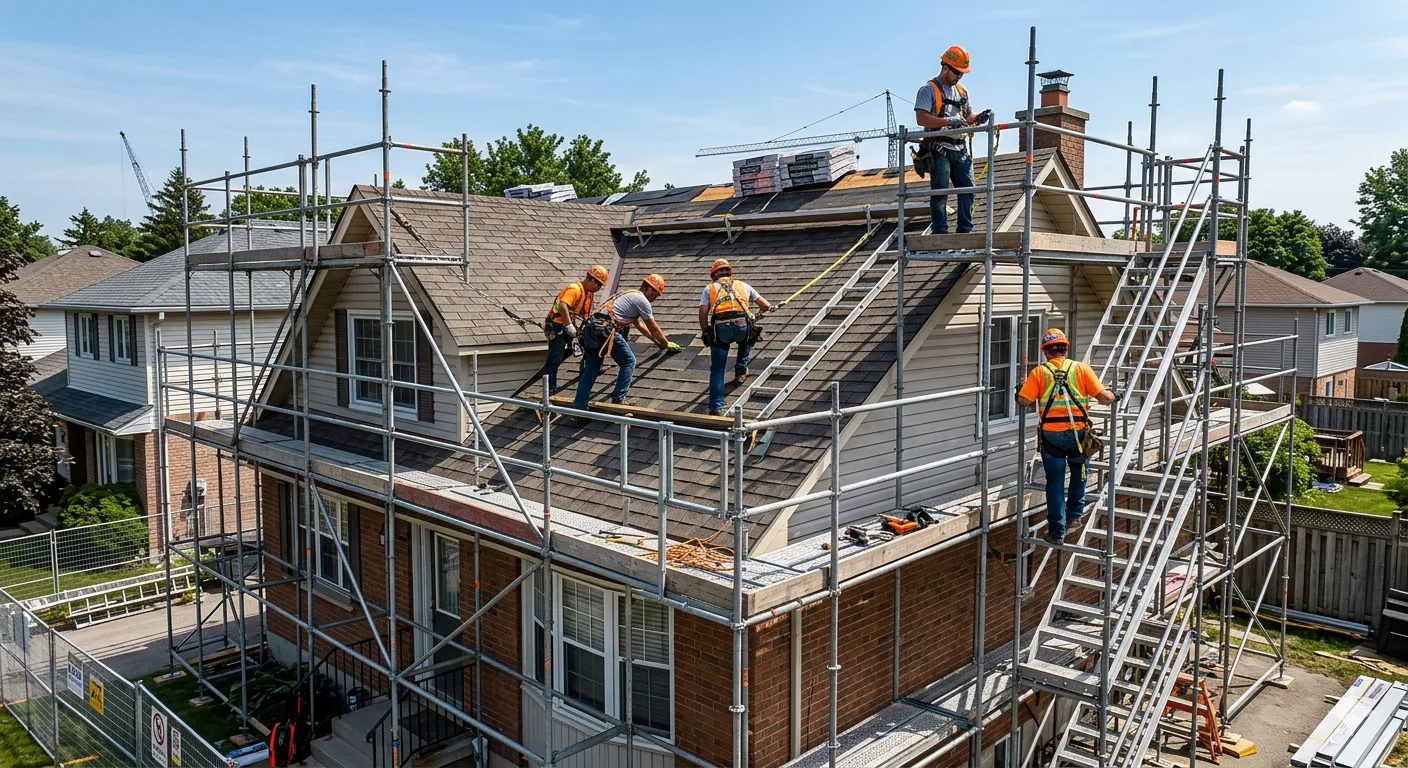

Roof work is one of the most dangerous tasks in the construction industry because it involves working at significant heights and often on uneven or sloped surfaces. Roof scaffolding provides workers with a secure platform that improves safety, stability, and efficiency during roofing projects.
Whether for residential repairs, commercial roofing, or industrial construction, understanding proper roof scaffolding safety practices is essential for preventing accidents and maintaining a productive work environment.
This quick safety guide explains the basics of roof scaffolding, common hazards, setup procedures, and important safety measures every worker should follow.
What Is Roof Scaffolding?
Roof scaffolding is a temporary support structure designed to provide safe access and working platforms for workers performing tasks on roofs. It helps workers move safely while carrying tools, materials, and equipment at elevated heights.
Roof scaffolding is commonly used for:
- Roof repairs
- Roof replacement
- Painting and maintenance
- Solar panel installation
- Gutter work
- Building inspections
Why Roof Scaffolding Safety Matters
Falls from roofs are a leading cause of construction injuries and fatalities. Proper roof scaffolding reduces these risks by offering:
- Stable working platforms
- Fall protection support
- Safer movement around roof edges
- Improved access to elevated areas
- Better productivity and efficiency
Safe scaffolding practices protect both workers and construction projects.
Types of Roof Scaffolding
1. Supported Roof Scaffolding
This type is built from the ground up using vertical poles, frames, and platforms for maximum support and stability.
Best For:
- Residential construction
- Commercial roofing projects
- Long-term maintenance work
2. Suspended Roof Scaffolding
Suspended scaffolding hangs from the roof using ropes or mechanical systems.
Best For:
- Tall buildings
- Window cleaning
- Exterior repairs
3. Mobile Roof Scaffolding
Mobile scaffolding includes wheels for easier movement around construction sites.
Best For:
- Short-term roofing jobs
- Indoor maintenance
- Lightweight repair work
Essential Roof Scaffolding Safety Tips
1. Inspect Scaffolding Before Use
Always inspect the entire scaffold structure before workers begin roofing activities.
Check for:
- Loose connections
- Damaged planks
- Bent frames
- Rust or corrosion
- Missing guardrails
Damaged scaffolding should never be used.
2. Ensure Proper Ground Support
Roof scaffolding must stand on solid and level ground to maintain stability.
Avoid:
- Uneven surfaces
- Wet soil
- Loose gravel
- Unstable foundations
Using base plates and stabilizers improves scaffold balance.
3. Use Fall Protection Systems
Workers operating on roofs should always use proper fall protection equipment.
Important safety gear includes:
- Safety harnesses
- Lifelines
- Guardrails
- Non-slip footwear
- Safety helmets
Fall protection significantly reduces injury risks.
4. Follow Weight Capacity Limits
Every scaffold system has a maximum load limit. Overloading can weaken the structure and increase collapse risks.
Avoid placing:
- Excessive roofing materials
- Heavy equipment
- Too many workers on one platform
Proper load distribution is essential.
5. Secure Tools and Materials
Loose tools and materials can fall from roof scaffolding and injure workers below.
Safety practices include:
- Using tool belts
- Securing materials properly
- Installing toe boards
- Keeping platforms organized
Clean workspaces improve safety and productivity.
6. Monitor Weather Conditions
Roof work becomes more dangerous during:
- Strong winds
- Rain
- Snow
- Extreme heat
Wet or slippery surfaces increase fall risks significantly. Construction teams should stop roof work during unsafe weather conditions.
Common Roof Scaffolding Hazards
Falls From Height
The most serious roofing hazard caused by unstable platforms or missing fall protection.
Scaffold Collapse
Poor assembly, overloading, or weak foundations can lead to structural failure.
Falling Objects
Unsecured tools and materials can injure workers below the scaffold.
Electrical Hazards
Roof scaffolding near power lines increases electrocution risks.
Proper Roof Scaffold Setup Process
Step 1: Site Assessment
Inspect the work area carefully before installation.
Step 2: Ground Preparation
Ensure the surface is stable and level.
Step 3: Scaffold Assembly
Use trained workers to assemble scaffolding according to manufacturer guidelines.
Step 4: Safety Installation
Install guardrails, toe boards, and fall protection systems.
Step 5: Final Inspection
Perform a complete safety inspection before use.
Importance of Scaffold Safety Training
Only trained workers should install or use roof scaffolding systems. Safety training helps workers understand:
- Fall prevention methods
- Scaffold assembly procedures
- Emergency response plans
- Load management
- Equipment inspections
Organizations such as Occupational Safety and Health Administration provide important roofing and scaffold safety standards.
Benefits of Proper Roof Scaffolding
Improved Worker Safety
Stable platforms reduce accidents and injuries.
Better Efficiency
Workers can move more easily around roofing areas.
Easier Material Handling
Scaffolding improves access to roofing materials and tools.
Professional Work Environment
Safe construction practices improve project quality and reliability.
Conclusion
Roof scaffolding is an essential safety system for roofing and elevated construction work. Proper setup, regular inspections, fall protection, and worker training all play critical roles in reducing accidents and improving productivity.
By following roof scaffolding safety guidelines, construction companies can create safer working environments while ensuring efficient project completion. Investing in safe scaffolding practices protects workers, equipment, and overall project success.


























Sign in to leave a comment.