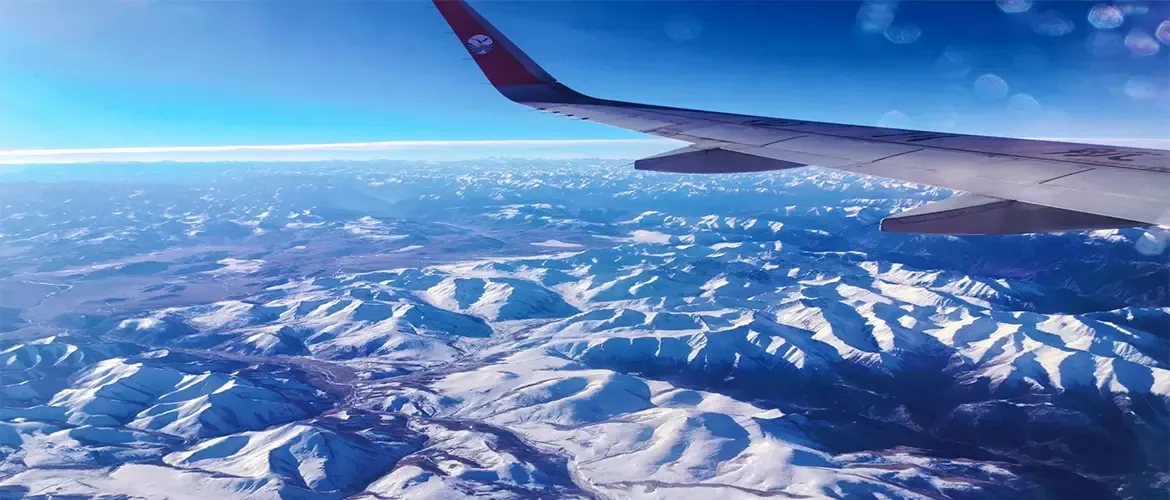

On the Roof of the World, Finding Myself
I never expected a single trek to change the way I look at hardship.
A month before departure, I was still staring at my computer screen in the office. Work was stable, life was routine, but something inside kept pulling at me. That feeling of being swallowed by daily monotony, like a glass of strong liquor that tastes both intense and hollow. You can't tell if you're drunk or just numb. Then, just before the National Day holiday, I made the decision: go to Tibet. Walk a real trail.
I chose the Ganden to Samye crossing. On the map, it's barely 80 kilometers. Four days on foot. But it connects two of Tibetan Buddhism's most significant monasteries. Ganden is the cradle of the Gelug school. Samye is the first monastery ever built in Tibet. When I confirmed the itinerary with my guide, he gave me one piece of advice, repeated twice: "Spend two days in Lhasa first. Don't rush."
I didn't take it seriously. Until I stood at the gate of Ganden Monastery with my backpack on, and understood exactly what he meant.
Day 1: River Valleys and Rhododendron Forests
The elevation started at 3,600 meters. The first day was relatively gentle. We followed the river valley for about 15 kilometers, passing through rhododendron thickets and scattered herds of yaks. The trail was easy to follow, and the afternoon sun made everything look golden. I remember thinking, "This isn't so bad."
I was wrong.
Day 2: The 5,250-Meter Pass
The second day is when the trek begins in earnest. The trail steepens, switchbacks climbing relentlessly toward the 5,250-meter pass. At that altitude, even walking a few dozen steps becomes a negotiation with your lungs. Each breath feels incomplete. The air is thin, cold, and stubborn. My legs were fine, but my chest burned with every step.
The guide kept a steady pace, never rushing. "Take it slow," he said. "This is normal."
"Normal." That word sounds almost ironic when you're gasping at 5,000 meters.
In the afternoon, the weather turned. A wall of lead-gray clouds rolled in from the west. Within minutes, rain mixed with sleet came down hard. The wind on the plateau doesn't ask for permission. It finds every gap: the cuffs, the collar, the zippers. My gloves were soaked through in minutes, my fingers numb and clumsy.
I stood there in the storm, genuinely wondering: Why am I doing this?
Day 3: The Morning That Made It All Worthwhile
But the next morning, everything changed.
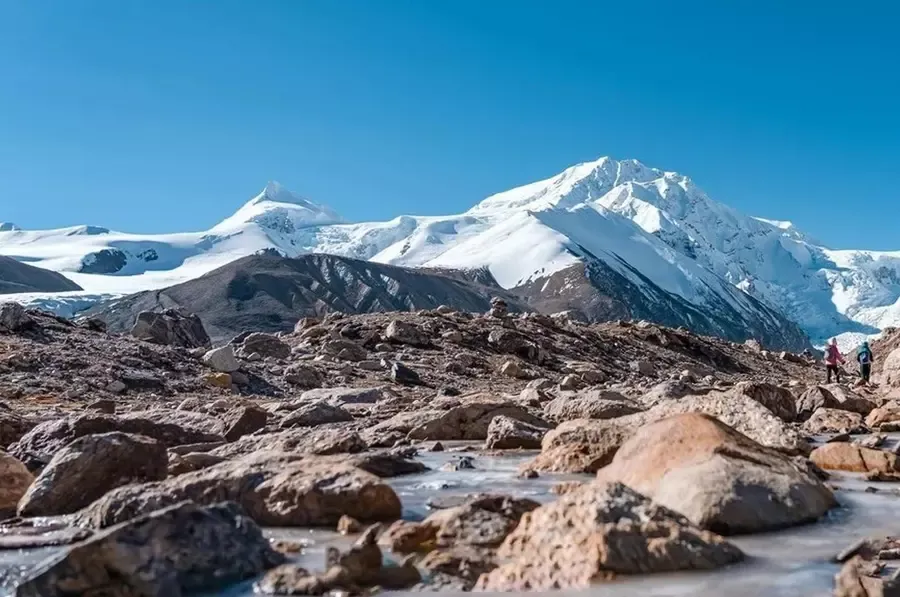
The snow had stopped overnight, and the sky was rinsed clean, a shade of blue so deep it felt unreal. I stepped out of the tent and stopped breathing, not because of the altitude this time, but because of what lay in front of me.
Snow-capped peaks stretched across the horizon. Below them, the valley floor was a patchwork of gold and deep red low shrubs. Early morning light slanted across prayer flags, and the wind sent them fluttering in a soft, whispery rhythm.
It was so quiet that I could hear my own heartbeat. And in that silence, I remembered something I'd read before the trip: "Only by walking the hard roads do you realize that every bump and every bout of altitude sickness eventually becomes a badge of honor."
Day 4: The Descent and the Golden Roof
The final day began with crossing a second pass. Then came the long descent. As the elevation dropped below 4,000 meters, the air started to feel thicker, easier. My breathing came more naturally.
And then, in the distance, I saw it: the golden roof of Samye Monastery, catching the afternoon light. It didn't shine like city neon, sharp or aggressive. It glowed, soft and steady, as if the light itself was coming from the ground.
I didn't go straight inside. Instead, I sat on the stone steps outside the main hall, exhausted but strangely peaceful. A few elderly Tibetan pilgrims passed by. One of them nodded at me. She smiled. I smiled back. In that small gesture, all the fatigue, the cold, the breathlessness of the past four days, all of it felt like it had been gently received.

What the Trail Gave Me
Back in Lhasa, I found a notebook in my guesthouse and wrote down one line:
"Some trails aren't about reaching the end. They're about finding yourself along the way."
If you're feeling trapped by repetition, by the blur of days that all look the same, consider walking a trail in Tibet. It doesn't have to be this one. The Tsurphu to Yangpachen trek, with its steaming hot springs at the finish. The Kharta Valley route, where flowers bloom beneath snow peaks. The classic approach from Tingri toward Everest Base Camp, where the world's highest mountain waits. Each one will test your body and recalibrate your mind.

















Sign in to leave a comment.