Tooth pain is never pleasant, but when it becomes deep, sharp, or persistent, it often signals a serious issue inside the tooth. Problems like tooth nerve pain, deep cavities, and infections frequently lead patients to wonder: do I need a root canal? Understanding the connection between tooth infection and root canal treatment can help you seek care at the right time and avoid unnecessary complications. Root canal & infection treatment helps eliminate bacteria, relieve pain, and protect the surrounding teeth.
What is a Tooth Infection?
A tooth infection occurs when bacteria penetrate deep into the tooth and reach the pulp, which contains nerves and blood vessels. This usually happens due to untreated cavities, cracks, or dental trauma. Once bacteria infect the pulp, the infection can spread beyond the tooth into the surrounding bone and tissues, leading to swelling, severe pain, and even systemic health issues if left untreated.
Common Infected Tooth Symptoms
Recognizing the early signs of infection can prevent worsening pain and tooth loss. Common symptoms include:
- Persistent or throbbing toothache
- Sharp tooth nerve pain when biting or chewing
- Sensitivity to hot or cold that lingers
- Swelling in the gums or face
- Darkening or discoloration of the tooth
- Bad taste or pus near the tooth
If you notice these signs, it’s important to seek professional dental evaluation promptly.
What Causes Deep Tooth Infections?
The most common cause is a deep cavity root canal situation, where decay reaches the inner pulp of the tooth. Other causes include:
- Cracked or broken teeth
- Repeated dental procedures on the same tooth
- Trauma that damages the tooth nerve
- Untreated cavities
Once the pulp is infected, home remedies and medications alone cannot resolve the problem.
Do I Need a Root Canal?
Many patients ask this question when experiencing severe or persistent pain. You may need a root canal if:
- Tooth pain does not go away
- You have swelling or signs of infection
- X-rays show infection near the root
- The tooth nerve is inflamed or damaged
A dentist or endodontist confirms the diagnosis through clinical examination and imaging.
What is Root Canal Treatment?
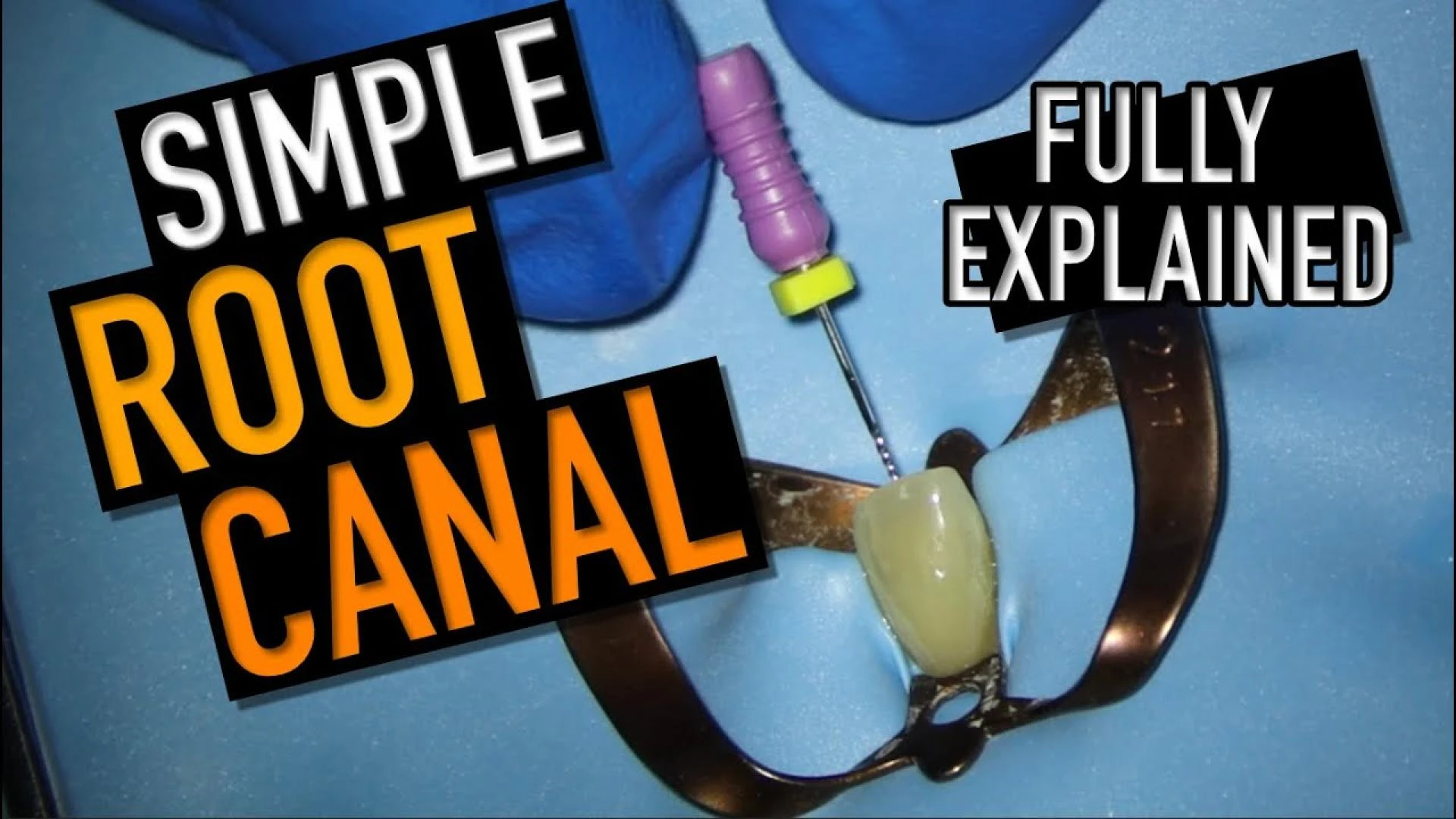
Root canal treatment is a procedure designed to remove infected or damaged pulp, clean the inside of the tooth, and seal it to prevent reinfection. The process typically includes:
- Removing the infected nerve tissue
- Cleaning and disinfecting the canals
- Sealing the tooth with a protective filling
- Restoring the tooth, often with a crown
Modern root canal treatment is safe, effective, and much more comfortable than many people expect.
Root Canal Pain Relief in Springtown
Contrary to common myths, a root canal is not painful, it actually relieves pain. The discomfort most patients feel comes from the infection itself, not the treatment. Root canal pain relief in Springtown focuses on:
- Eliminating the source of infection
- Reducing inflammation
- Restoring normal tooth function
With proper anesthesia and advanced techniques, patients often experience immediate relief after treatment.
Why Need to See an Endodontist?
An endodontist near me specializes in diagnosing and treating tooth nerve infections and performing complex root canal procedures. Endodontists use advanced imaging and precision tools to:
- Treat difficult root canal cases
- Manage severe infections
- Save teeth that might otherwise need extraction
Your general dentist may refer you to an endodontist for specialized care.
When to Seek Care from Root Canal Dentist
You should contact a root canal dentist in Springtown if you experience:
- Severe or worsening tooth pain
- Swelling or abscess formation
- Sensitivity that lasts more than a few seconds
- Pain when biting or chewing
Prompt treatment can stop infection, relieve pain, and protect your oral health.
What Happens If a Tooth Infection Is Left Untreated?
Delaying treatment can result in:
- Spread of infection to jawbone or sinuses
- Tooth loss
- Facial swelling
- Increased risk of systemic infection
Early root canal treatment is often the most conservative and effective solution.
Conclusion
Tooth infections and nerve pain should never be ignored. If you’re dealing with infected tooth symptoms, deep cavity pain, or wondering if I need a root canal, timely evaluation is essential. Root canal treatment is designed to relieve pain, eliminate infection, and save your natural tooth. If you’re experiencing root canal infection, seeking care from a trusted root canal dentist or endodontist can restore comfort and protect your long-term oral health. Root canal & infection management is essential to prevent tooth loss and further oral health complications.
Frequently Asked Questions
Is root canal treatment painful?
No. Modern root canal treatment is performed under local anesthesia and is designed to relieve pain caused by infection.
Can antibiotics cure a tooth infection?
Antibiotics may reduce symptoms temporarily but cannot remove infected pulp. Definitive treatment is still required.
How long does a root canal last?
With proper restoration and oral care, a root canal–treated tooth can last many years or even a lifetime.



























Sign in to leave a comment.