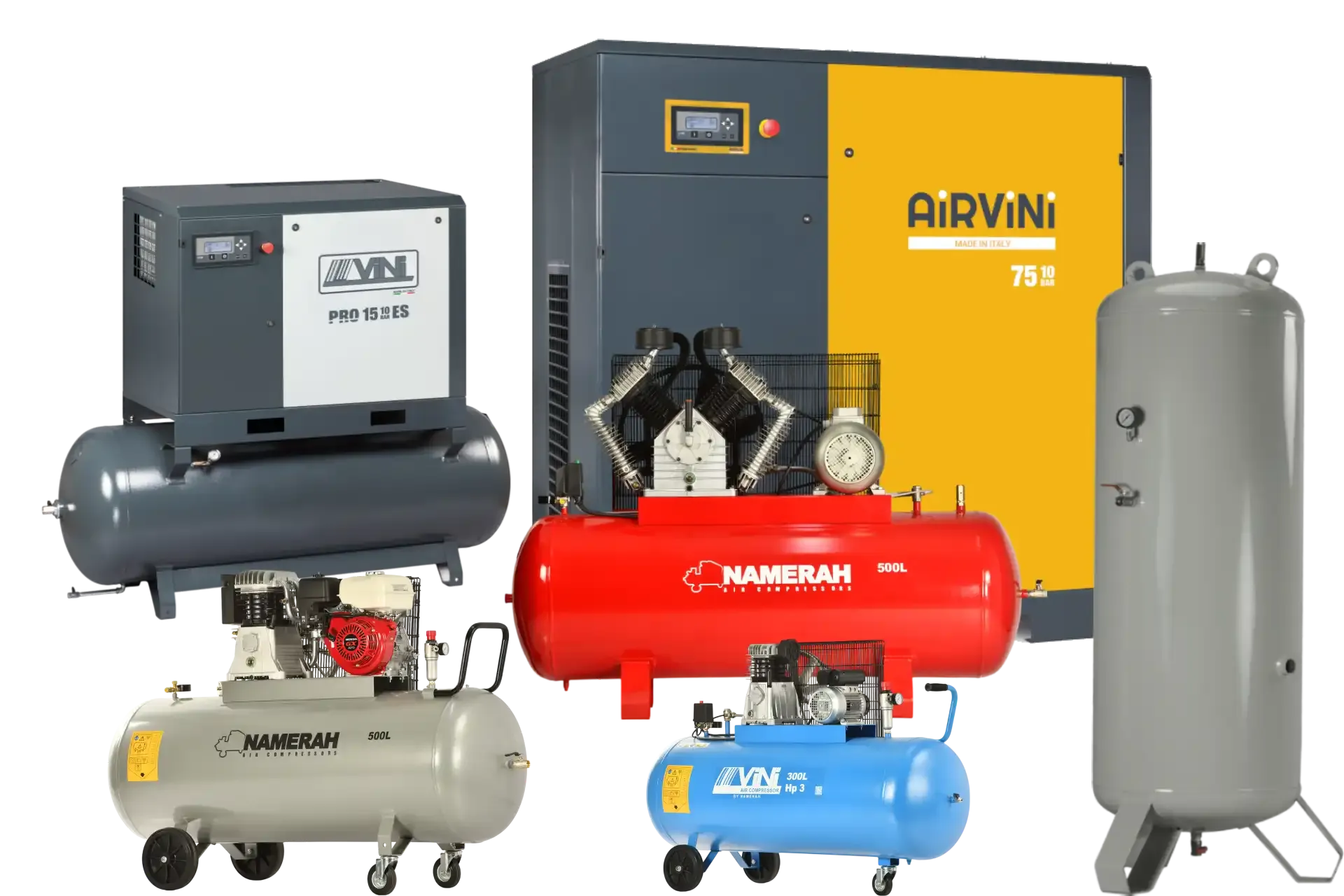

Understanding the internal mechanical principles of modern compression equipment helps facilities optimize usage. Innovative design concepts eliminate reciprocating motion, reducing mechanical wear and energy waste. Exploring internal technology allows plant engineers to select optimal configurations for specific tasks.
Mechanics of Helical Rotor Systems
The core operating mechanism relies on two intermeshing male and female helical rotors. As rotors turn inside the housing, intake air gets trapped within rotor pockets. Continuous rotation shrinks internal volume, pressurizing air cleanly before discharging into lines.
Male and Female Rotor Profiles
The male rotor drives the female rotor, creating smooth internal compression chambers continuously. Precise profile design prevents air backflow, maximizing mechanical efficiency during full-speed operation. Smooth rotational motion lowers internal mechanical strain, extending overall unit operational life.
Fluid-Injection Sealing Functions
In oil-injected models, specialized fluid creates a tight seal between spinning internal rotors. The fluid lubricates moving parts, absorbs heat, and prevents air leaking back. Separator tanks then clean oil from air before delivery to plant piping.
Major Types of Rotary Screw Machinery
Different mechanical configurations address specific industrial requirements, budget constraints, and output standards. Choosing between single-stage, two-stage, fixed-speed, or variable-speed models depends on facility goals. Understanding these types ensures plant managers invest in the ideal system structure.
Single-Stage vs Two-Stage Units
Single-stage units compress air in a single pass, ideal for medium-pressure tasks. Two-stage models split compression across two sequential chambers, increasing energy efficiency significantly. Two-stage systems reduce internal workload, extending component longevity in heavy industrial applications.
Fixed Speed vs Variable Speed Drive
Fixed-speed units run continuously at a single speed, perfect for constant baseline demand. Variable speed drive units alter motor speed dynamically to match real-time air consumption. Variable systems save substantial electrical energy in facilities with changing production shifts.
Technological Advantages Over Alternative Systems
Helical compression units offer superior performance compared to traditional reciprocating piston designs. Lower noise output, continuous air delivery, and minimal fluid carryover make them preferred choices. Facilities enjoy higher operational productivity combined with reduced routine maintenance expenses.
Reduced Mechanical Wear and Tear
Without reciprocating pistons, connecting rods, or valves, internal friction points are minimized. Fewer moving components mean lower mechanical failure risks and extended overhaul intervals. Plants save significantly on long-term repair costs and scheduled service downtime.
Compact Physical Footprint
Helical technology packs high air production capacity into compact, space-saving cabinet enclosures. Facilities save valuable floor space while enjoying high-volume air delivery for tools. Compact designs allow flexible installation within crowded or expanding factory environments.
System Integration and Modern Controls
Integrating air equipment into factory management systems improves real-time operational visibility dramatically. Smart microprocessors monitor operating parameters, tracking energy usage and identifying maintenance needs. Connected systems protect equipment investments while maintaining optimal plant air delivery.
Automated Load-Unload Cycles
Controllers unload the compressor when air demand drops, reducing motor power consumption automatically. Unloaded running keeps the unit ready while avoiding constant electrical motor restarts. Automated management balances component protection with high operational electrical efficiency.
Thermal Energy Recycling Capabilities
Modern units direct waste compression heat into plant heating or process water systems. Recycling waste thermal energy reduces facility heating utility costs throughout cold operational periods. Integrated heat management increases total plant energy efficiency and sustainability metrics.
To upgrade your facility with quiet, high-capacity technology, explore rotary screw compressors built for heavy-duty industrial challenges.























Sign in to leave a comment.