

Choosing between a round or rectangular cover seems simple until you're standing in front of your patio table, wondering which shape actually keeps it protected. The wrong choice means gaps, pooling water, and a cover that slides off in the first strong breeze.
But the right one means your table stays dry, clean, and ready to use season after season. That's exactly why picking the correct shape matters more than most people realize.
This guide will walk you through why shape matters and how to pick the right patio table covers for your space.
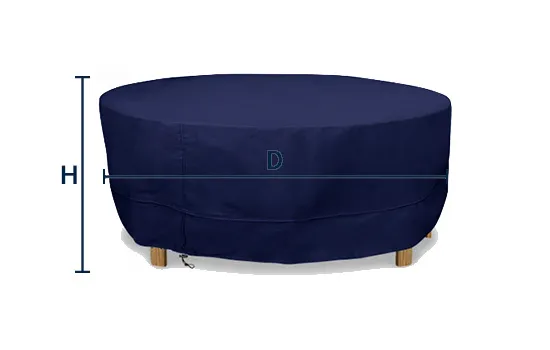
Why the Right Patio Table Cover Shape Matters
Prior to selecting any type of cover, it is advisable to understand the importance of shape in performance.
- An ill-fitting cover exposes its edges to the weather elements
- A round cover fits well into the curved edges, minimizing flapping from winds
- Rectangular cover requires additional length to ensure fitting on all corners
- Poor fitting will result in trapped moisture, resulting in mold and rusting
- A fitted cover extends furniture life, reducing expenses of replacement
Round Patio Table Covers: Best Use Cases
Now that you know why shape affects performance, let's look at where round patio table covers work best.
Ideal for:
- Circular tables, bistro tables, and other small outdoor dining settings
- Balconies, patios, and courtyard dining spaces
- Round dining tables, circular glass-top tables, and circular base tables with umbrellas
Why they fit so well:
- Drape the cloth evenly in circles because the table has no edges
- Create no gaps that would let the wind or rain in
- Lessens flapping because there is less cloth that is hanging down
Everyday convenience:
- Can be slipped on and taken off in seconds without worrying about corners lining up
- Excellent choice for regular covering or uncovering depending on the weather conditions
- Minimal maintenance is needed after installation
Rectangular Patio Table Covers: Best Use Cases
With round covers covered, here's how rectangular options compare for larger setups.
Ideal for:
- Long dining sets, picnic tables, and large outdoor entertaining configurations
- Large patios arranged around six- to eight-seater dining tables
- Rectangular glass top table sets that include leaf extension tables
Why they fit so well:
- Cut to form four separate corners, allowing the material to reach all corners perfectly
- Constructed with reinforced corners and more dimensions for greater surface area
Everyday convenience:
- More easily customizable with vented tops or adjustable straps for the umbrella hole
- Has the ability to drape long enough to cover even chairs placed under it, depending on its size
- Ideal for families that entertain quite often in larger groups
Key Factors to Consider Before Choosing
Once you know the general use cases for each shape, a few practical factors will help you narrow down the right fit for your specific table.
| Factor | Round Cover | Rectangular Cover |
| Best table type | Bistro sets, circular dining tables | Long dining sets, picnic tables |
| Wind resistance | Tighter, even fit reduces flapping | Needs straps or ties for corners |
| Ease of use | Quick to put on and remove | Slightly more setup with fasteners |
| Space suited for | Balconies, small patios | Larger patios, group seating areas |
| Coverage for chairs | Limited, depends on size | Can extend to cover pushed-in chairs |
Match the cover to your table's actual shape, measure both diameter and height accurately, and factor in local weather conditions like wind and rainfall before making a final decision.
Common Mistakes to Avoid
Even after picking the right shape, a few small errors can still undo your efforts.
- Using guessing for dimensions rather than measurement: This results in a cover that is either too tight or too loose
- Ignoring quality of material used: Poor quality, thin fabric will trap moisture beneath and allow mold to form
- Failing to use reinforced seams or tie-downs: This leaves the cover at risk in windy areas
- Choosing design based on looks rather than form: For example, an oval table usually fits better under a rectangular cover than a circular one
- Not considering options: Checking out different covers from a selection makes it easier to choose one made specifically for your table
How to Measure Your Table for the Perfect Fit
Measurement accuracy will play the most important role in determining the effectiveness of your cover in any form.
- The diameter of the circular table should be measured at its widest part
- For a rectangular table, measure the length and width separately
- Take into consideration the distance from the top surface of the table to the ground
- Give a little extra space for drop-down
- Check your measurements again if you have an umbrella hole or an extension in your table
Conclusion
In conclusion, choosing between round and rectangular patio table covers really comes down to matching the cover to your table’ actual shape and how you use your outdoor space. Round covers suit smaller, circular setups, while rectangular covers handle larger dining tables built for groups. Once you measure accurately and look for wind and weather, either option can keep your furniture protected for years with minimal upkeep.
























Sign in to leave a comment.