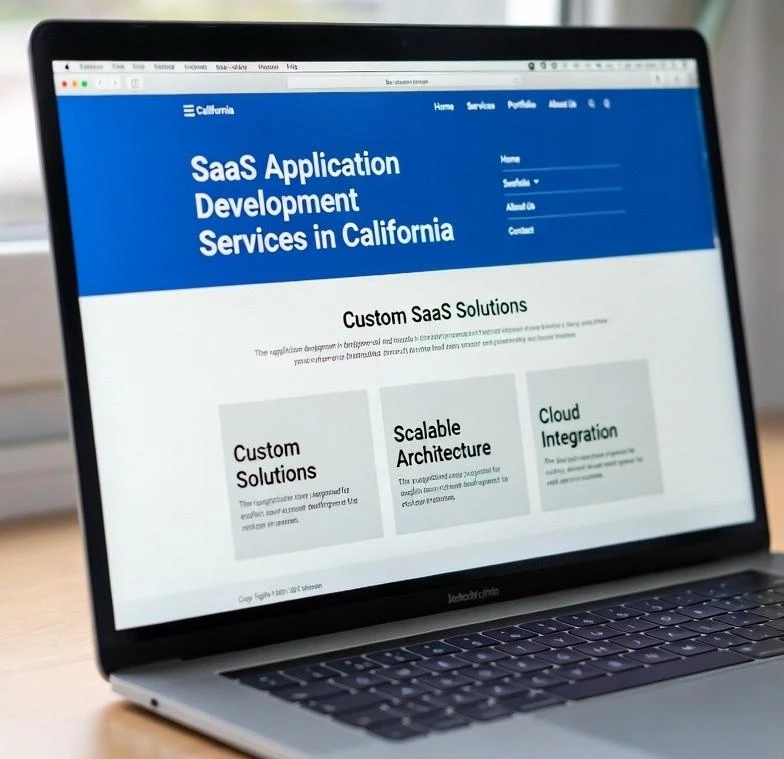

California is home to some of the world’s most ambitious SaaS companies. From early-stage startups in San Francisco to enterprise platforms serving global users, the expectations around software quality, scalability, and reliability are high. If you are building or expanding a SaaS product in this environment, choosing the right development partner is not just a technical decision. It is a business-critical one.
This guide walks through how to choose SaaS application development services practically. Not theory, not sales talk. Just the considerations that actually matter when you are trusting a team to build something critical to your business.
Start With a Clear Product Direction
Before you consider any team, it helps to be clear about what you are building and why. You do not need a perfect specification, but you should understand the problem your product solves, who it is for, and how it may evolve.
Ask yourself a few grounded questions:
- Is this an internal tool or a customer-facing platform?
- Do you expect steady growth or rapid scale?
- Will compliance, data security, or uptime be mission-critical?
- Are you validating an idea or replacing an existing system?
Teams offering SaaS application development services work more effectively when clients bring clarity, even if the roadmap is flexible. In California, where competition is extreme, that clarity can be the difference between shipping quickly and slowing halfway through development.
Why Relevant SaaS Experience Matters More
Most agencies and development firms can show attractive case studies. What matters more is relevance. A team that has built SaaS products before understands recurring challenges like multi-tenancy, subscription logic, performance under load, and long-term maintenance.
When reviewing experience, look past visuals and ask:
- Have they worked on SaaS platforms similar in complexity?
- Do they understand product lifecycle thinking, not just delivery?
- Can they explain architectural decisions in plain language?
A good partner should be comfortable discussing trade-offs. For example, why a certain framework was chosen or how scalability was planned from day one. If explanations feel vague or overly technical without clarity, that is a warning sign.
What to Expect From the Development Process
How a team works is just as important as what they build. SaaS products are rarely finished at launch. They evolve through feedback, iteration, and ongoing improvement. A rigid or unclear process can slow that evolution.
Ask about their approach to:
- Discovery and requirement validation
- Communication cadence and reporting
- Testing and quality assurance
- Post-launch support and iteration
Strong SaaS application development services tend to follow an agile or iterative model, but the label matters less than execution. What you want is visibility, adaptability, and honest communication when things change. No product plan survives contact with real users unchanged.
Designing for Scale, Security, and Real-World Load
Scalability and security are not features you add later. They are design decisions made early, often quietly, and they show up when the product is under pressure.
A capable SaaS development partner should be able to discuss:
- How the system handles growth in users and data
- Data isolation and access control
- Backup, recovery, and uptime planning
- Compliance requirements relevant to your industry
You do not need to be an expert to judge this. Listen for specificity. Vague reassurances about being “secure” or “scalable” without concrete examples often mean those areas have not been deeply considered.
Why Communication Matters More
Many SaaS projects fail not because of poor coding, but because of misalignment. Time zones, unclear expectations, or delayed feedback can quietly erode progress.
During early conversations, notice:
- How clearly they explain complex topics
- Whether they ask thoughtful questions about your business
- How responsive and structured communication feels
The best SaaS application development services act more like collaborators than vendors. They challenge assumptions when needed and flag risks early. If every answer sounds like a sales pitch, it is worth slowing down and reassessing.
Protecting Ownership and Future Flexibility
SaaS is a long game. You will likely maintain, extend, and refine the product for years. That makes ownership and flexibility critical.
Before signing anything, clarify:
- Who owns the code and intellectual property?
- How easy is it to transition to another team later?
- Is documentation part of the delivery?
A responsible development partner plans for the possibility that you may not work together forever. Clear documentation and clean code benefit everyone, even if it means more effort upfront.
Evaluate Value, Scope, and Long-Term Cost
Budget always matters, but choosing purely on price is risky. Very low estimates often hide future costs in the form of change requests, rework, or missed expectations.
Instead of asking who is cheapest, ask:
- What is included and what is not?
- How do they handle scope changes?
- What assumptions are baked into the estimate?
Quality SaaS application development services price for sustainability, not speed alone. A realistic budget paired with a transparent scope usually saves money over time.
A Partner for Long-Term Product Development
When evaluating potential development partners, Tech Formation fits well for teams that value clarity, scalability, and long-term product thinking. The focus is on building SaaS platforms that are structured to grow, adapt, and remain maintainable as requirements evolve.
For California-based businesses, this approach aligns with the realities of fast-moving markets and high user expectations. Emphasis on modern cloud architecture, secure data handling, and consistent communication helps reduce friction throughout the development process.
Final Thoughts
Choosing a SaaS development partner in California requires more than a checklist. It requires careful listening, thoughtful questions, and a clear understanding of what you are building and why. The right SaaS application development services will bring technical expertise, business awareness, and honest communication to the table. When those elements align, development becomes a strategic advantage rather than a recurring challenge.
Take your time, trust informed judgment, and choose a partner who is invested in the long-term success of your product, not just the next milestone.
Frequently Asked Questions
What should I have before hiring a SaaS development team?
A clear idea of your product goals, target users, and core features is enough to get started. Detailed specifications can be refined during discovery.
Do California data privacy laws apply to my SaaS product?
Yes. If you serve California users, regulations like CCPA must be considered during development, not after launch.
Is post-launch support necessary?
Yes. SaaS products require ongoing updates, performance monitoring, and fixes after launch to stay reliable and competitive.
How much do SaaS application development services cost in California?
Costs vary based on complexity, features, and timeline. Most SaaS projects range from mid-five figures to six figures, depending on scope and long-term requirements.


























Sign in to leave a comment.