
The Software-as-a-Service (SaaS) model is considered among significant architectures that can be used to deliver services to customers from anywhere at any time. With the perks of not having to worry about software updates, purchases, or other maintenance hassles, SaaS rules them out. Along with Infrastructure as a Service (IaaS), Platform as a Service (PaaS), and Desktop as a Service (DaaS) among others, SaaS is all a part of cloud computing’s nomenclature.
SaaS architecture is a method that allows vendors to host applications on a remote server and later deliver them to the organization’s end-user over the internet. This creates a single configuration model that can be shared by multiple organizations. Allowing organizations access to the same hosted applications along with the same operating system, network, hardware, and other elements. These architecture applications are handled by the provider who also offers updates and patches if required. The updates are delivered over the internet eliminating the need to reinstall new versions of the application.
Business Advantages of SaaS Architecture
SaaS architecture allows businesses to reach the audience on a wider scale and offer their products and services on a global level as well whilst ensuring control over their product or service. Wider reach is one of the many reasons why businesses are opting for a SaaS-based model for their IT structure. To serve more customers, there is no need to purchase more heavy-duty hardware. With SaaS architecture components that offer flexibility and scalability for scaling compute resources that are too on-demand.
Another advantage of SaaS architecture is the ability to deliver seamless services with the access to latest cloud-native technologies. This means businesses can make use of applications fully tested versions that are bug-proof or random errors that could cause downtime. This also works as a time-saving and cost-saving benefit for businesses on resources for building and testing software applications.
In case of security or data breach which can cause data loss, an automatic built-in backup in the SaaS architecture model can help save from disaster situations. SaaS setups store data in local servers and data centers, which can ultimately save time and loss of critical data. Since data has become an invaluable asset, businesses are investing heavily and strategically in terms of finances and resources into gathering, storing, evaluating, and managing this data. With SaaS, architecture businesses can benefit from disasters that can harm their data and cost a fortune.
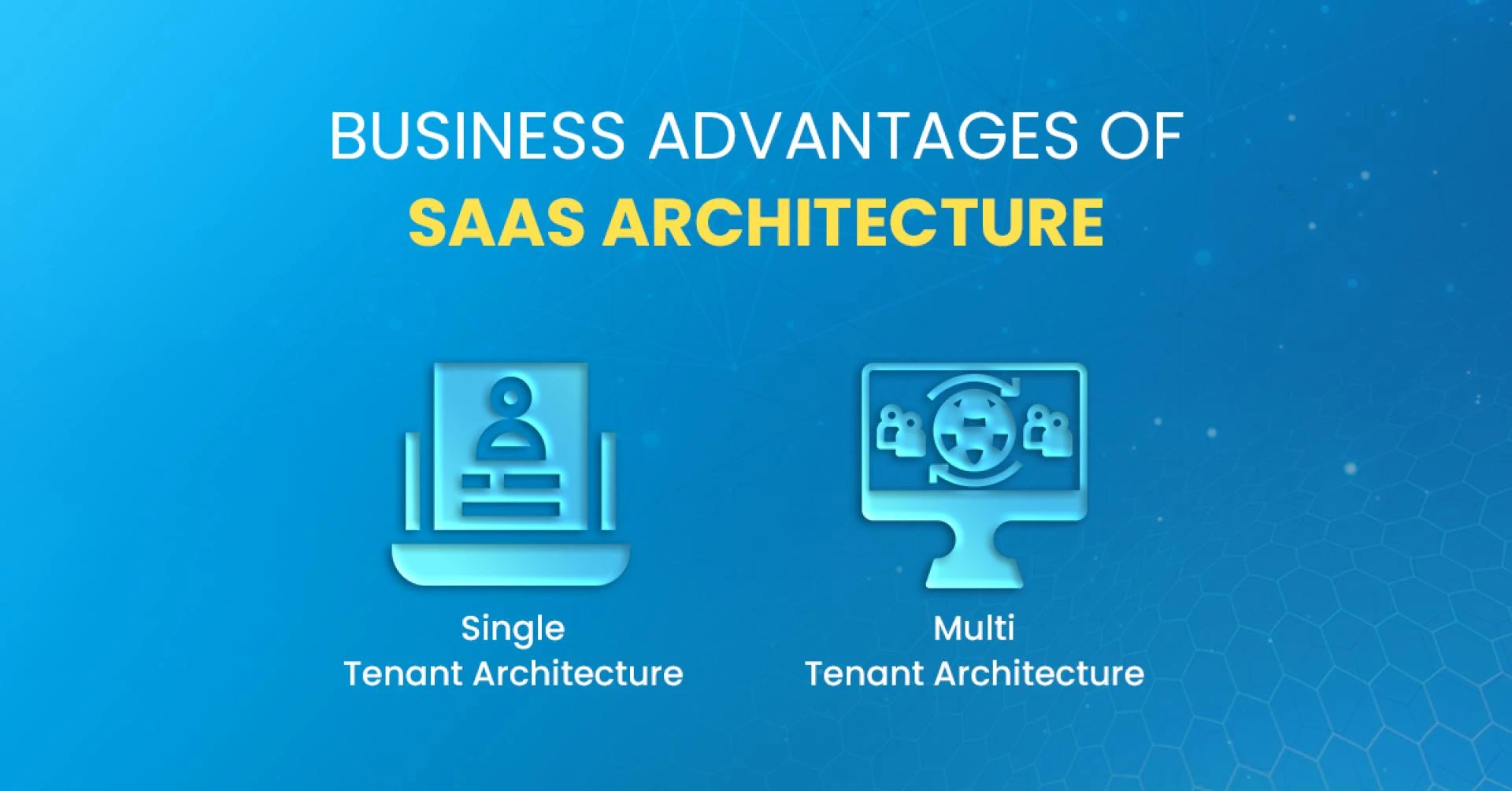
Another valuable advantage of SaaS architecture is cost-effective software that won’t burn a hole into your business’s financial accounts. This eliminates the need for expensive tools and technical support even for short-term projects with the help of hosted applications. In terms of maintenance, SaaS vendors take care of all the backend infrastructure, which again saves time, money, and resources for businesses. Further, a SaaS application can be deployed in the cloud using 2 types of models, a single-tenant and a multi-tenant architecture.







Sign in to leave a comment.