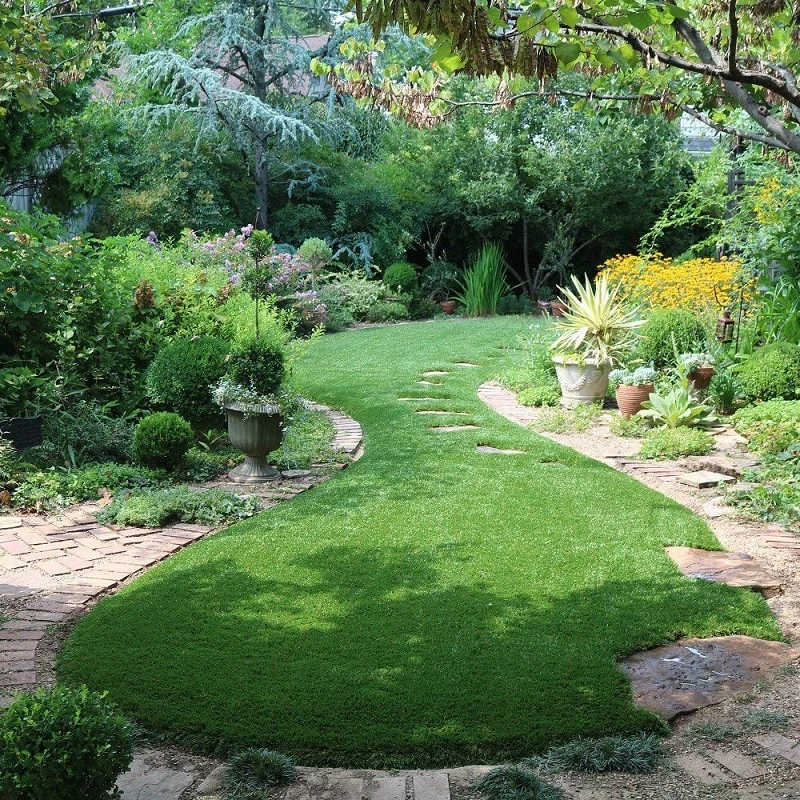

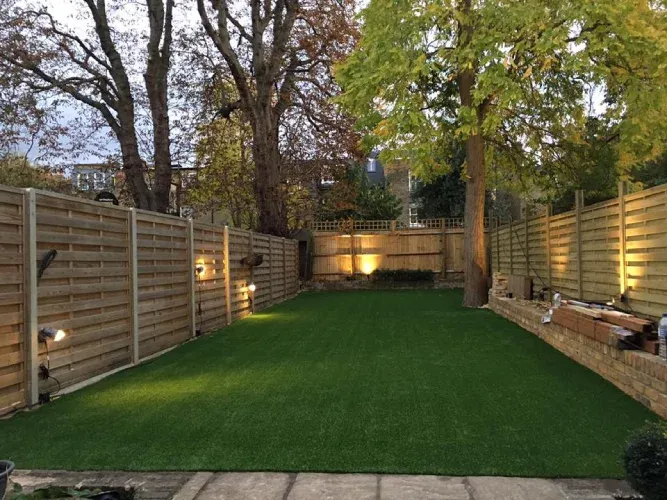
Creating a fun, safe, and low-maintenance play area for kids is a top priority for every parent. Traditional lawns, though beautiful, often come with muddy messes, uneven surfaces, and constant maintenance. Enter artificial grass — a smart, durable, and child-friendly alternative that’s transforming backyards, school playgrounds, and daycare centers into safe, vibrant play zones.
Artificial grass offers a perfect combination of comfort, safety, and visual appeal, making it ideal for children’s play areas. In this guide, we’ll explore why artificial turf is the best choice for kids, what makes it safe, and how you can design a beautiful play space that your children will love.
1. Why Artificial Grass Is Ideal for Play Areas
Artificial grass has evolved significantly over the years. Modern turf is soft, realistic, and built to endure heavy activity — perfect for energetic kids who love to run, jump, and play. Here’s why it’s ideal for children’s spaces:
- Cushioned surface: Artificial turf provides a soft landing that reduces the risk of injuries from falls.
- All-weather usability: Unlike natural grass that becomes muddy after rain or patchy in heat, synthetic grass stays green and usable year-round.
- Low maintenance: No mowing, watering, or fertilizing means parents can spend more time with their kids instead of maintaining the yard.
- Allergen-free: Artificial grass minimizes exposure to pollen and other natural allergens, creating a healthier play environment.
These features make it an excellent investment for family homes, schools, and parks.
2. Safety Comes First: Shock Absorption and Cushioning
When it comes to play areas, safety is non-negotiable. Quality artificial turf is engineered with safety in mind.
- Shock-absorbent padding: Most modern installations include a soft underlay or shock pad beneath the turf that cushions falls. This is especially important under play structures like swings, slides, or jungle gyms.
- Even surface: Artificial grass eliminates bumps, dips, and uneven terrain, reducing tripping hazards.
- Compliance with safety standards: Reputable turf products meet international fall-safety standards (such as ASTM or EN certifications), ensuring maximum protection for children.
Parents can rest easy knowing their kids are playing on a surface designed for safety and comfort.
3. Comfort and Cleanliness: A Healthier Space to Play
Kids love to play on the ground — and that means the surface must be clean and comfortable. Artificial grass provides both.
- No mud or mess: Rainwater drains through the turf’s perforated backing, preventing puddles and mud. This means no more muddy shoes or clothes after playtime.
- Easy to clean: Spills, dirt, and debris can be easily rinsed away with water. For deeper cleaning, a mild detergent or turf-safe cleaner works perfectly.
- Soft, realistic texture: Modern turf fibers are designed to mimic natural grass — soft enough for bare feet yet durable enough to handle rough play.
- Insect-free zone: Without soil, artificial turf discourages bugs, ants, and other pests, keeping your play area more hygienic.
Overall, artificial grass creates a cleaner, more enjoyable play space with minimal effort.
4. Allergy-Free and Non-Toxic Materials
Children are especially vulnerable to allergies and sensitivities. Artificial grass is made with non-toxic, lead-free, and hypoallergenic materials, making it a healthier alternative to natural lawns that require fertilizers, herbicides, and pesticides.
Additionally, since it doesn’t produce pollen, kids with seasonal allergies can enjoy playing outdoors without sneezing, itching, or watery eyes. For schools and daycare centers, this can significantly improve outdoor activity participation and overall well-being.
5. Designing Your Kid-Friendly Artificial Grass Area
The best part about artificial grass is how versatile it is. You can customize your play area to be both fun and functional. Here are a few creative ideas:
- Incorporate play equipment: Add swings, slides, or climbing walls directly over turf with proper padding for safety.
- Create zones: Divide the area into different activity zones — a play section, a relaxation corner, and a picnic spot.
- Add bright colors: Use colored turf to create fun patterns, hopscotch grids, or sports lines.
- Include soft borders: Use rubber edging or synthetic borders to separate turf from garden beds or pathways safely.
- Combine with other materials: Artificial grass blends beautifully with decking, pebbles, or rubber mats for visual contrast and functionality.
These elements make the area engaging and encourage imaginative play.
6. Maintenance Made Easy
Artificial grass requires very little upkeep, but some simple care will ensure it stays fresh and inviting for years:
- Regular brushing: Use a soft broom to keep blades upright and prevent matting.
- Rinse occasionally: Remove dust, dirt, and any spills with a quick rinse.
- Spot clean: Use mild soap or a vinegar-water mix for tougher stains.
- Remove debris: Clear away leaves and twigs to prevent buildup.
For areas with heavy use — like school playgrounds — a professional turf cleaning once or twice a year helps maintain hygiene and longevity.
7. Long-Term Durability and Cost Savings
Installing artificial grass may seem like a larger upfront investment, but the long-term savings are substantial.
- No watering: Save thousands of gallons of water each year.
- No fertilizers or chemicals: Reduce costs and environmental impact.
- No mowing or trimming: Save time and money on maintenance tools and services.
- Durability: High-quality turf can last 10–15 years or more, even in high-traffic play areas.
This makes artificial turf an economical, eco-friendly, and low-maintenance solution for any family or institution.
8. Eco-Friendly Benefits
Contrary to popular belief, artificial grass can be an environmentally friendly option. By eliminating the need for watering, pesticides, and gas-powered mowing, it helps conserve natural resources and reduce carbon emissions. Many manufacturers are also using recyclable materials and eco-conscious production methods, making synthetic turf a sustainable choice for modern landscaping.
9. Choosing the Right Turf for Kids
Not all artificial grasses are the same. When selecting turf for a children’s play area, look for these key features:
- Soft polyethylene fibers: Gentle on skin and ideal for play.
- Shock-absorbent underlay: Adds extra cushioning and fall protection.
- Antimicrobial technology: Keeps the surface hygienic and odor-free.
- High drainage rate: Prevents water pooling and ensures quick drying.
Always choose a reputable supplier that offers non-toxic, lead-free turf specifically designed for playground or residential use.
10. Creating a Space for Fun, Learning, and Growth
A play area covered in artificial grass isn’t just visually pleasing — it promotes physical activity, creativity, and social interaction. Kids can play sports, run freely, or enjoy imaginative games in a comfortable and safe environment. With minimal maintenance and maximum enjoyment, artificial grass encourages children to spend more time outdoors — a vital aspect of healthy childhood development.
Conclusion
Artificial grass has redefined how we design play spaces for children. It combines safety, durability, comfort, and cleanliness in one versatile solution, giving parents peace of mind and kids a beautiful, fun-filled environment. Whether for your backyard, school, or daycare center, artificial turf provides the perfect foundation for years of safe, joyful play.
Verdigrass proudly serves San Jose, San Mateo, Los Altos, and Oakland, offering high-quality artificial grass designed for safe, durable, and beautiful play areas for kids. Choose Verdigrass — where playtime meets peace of mind.





















Sign in to leave a comment.