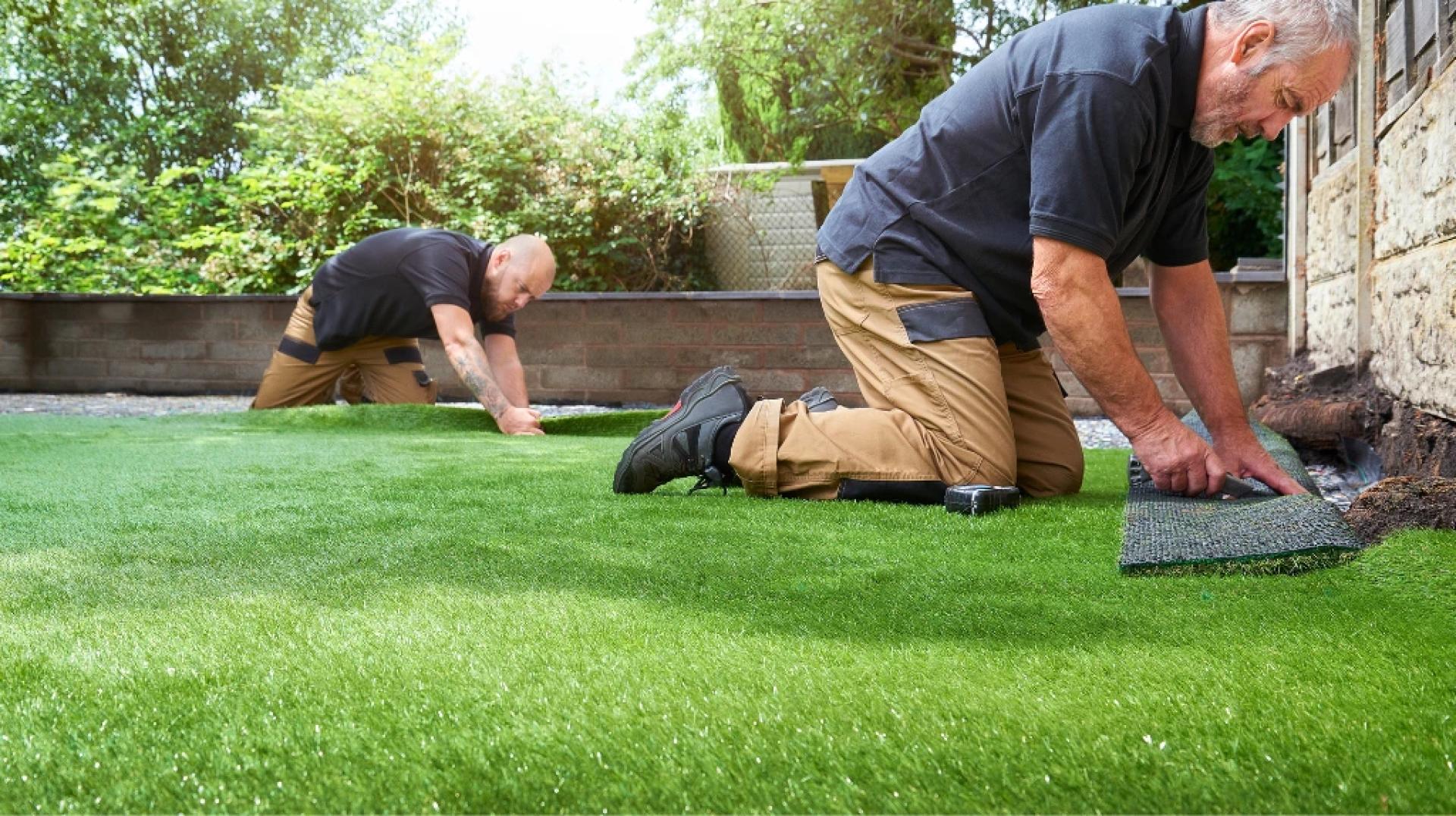

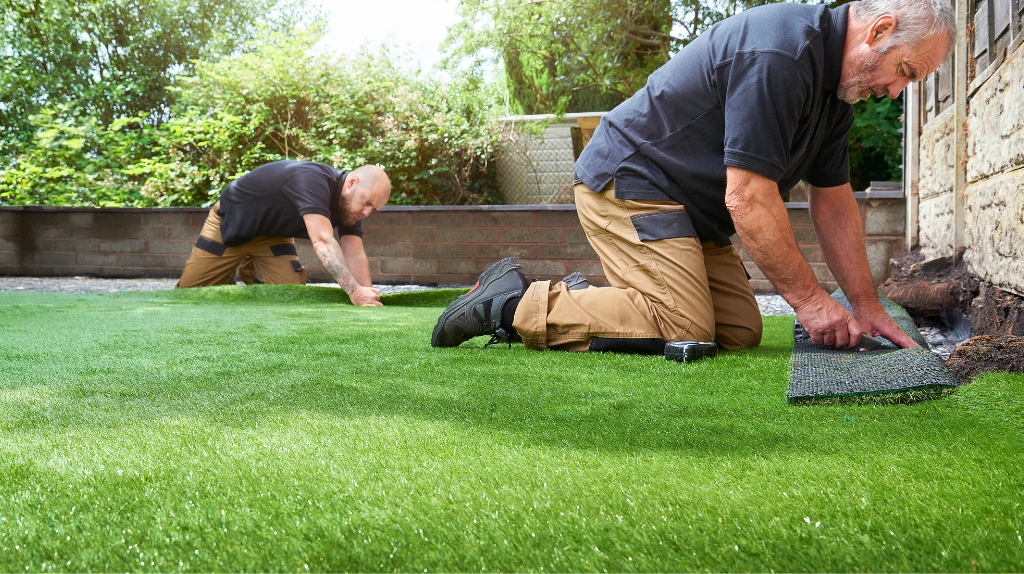
Replacing your natural lawn with artificial turf is a major landscaping decision. While artificial grass offers year-round greenery, low maintenance, and long-term cost savings, it’s important to understand what the transition involves before making the investment. From installation requirements to climate considerations and long-term expectations, careful planning ensures you get the most value from your new lawn.
If you’re considering switching to synthetic turf, here’s everything you need to know before replacing your lawn.
1. Understand the Upfront Investment
One of the first things homeowners notice is that artificial turf has a higher upfront cost compared to natural grass. Installation includes:
- Removing existing grass and soil preparation
- Installing a compacted base layer
- Laying weed barriers
- Placing and securing the turf
- Adding infill material
While the initial cost may seem significant, it’s important to view artificial turf as a long-term investment. Over time, savings on water bills, lawn care services, fertilizers, and equipment maintenance can offset the initial expense. Many homeowners find that artificial grass pays for itself within several years.
2. Choose the Right Type of Artificial Turf
Not all artificial grass products are the same. Turf varies in:
- Blade height
- Density
- Color variation
- Texture
- Backing material
If you want a natural appearance, choose multi-tone green blades with brown thatch fibers for realism. For high-traffic areas, such as children’s play zones or pet spaces, select durable, high-density turf that can withstand wear and tear.
It’s also important to choose turf that is non-toxic, UV-resistant, and designed for your specific climate conditions.
3. Evaluate Your Climate and Sun Exposure
Artificial turf performs well in most climates, but temperature and sunlight exposure matter.
Heat Retention
Artificial grass can become warmer than natural grass under direct sunlight, especially in hot regions. If you live in a warm climate:
- Consider lighter-colored turf
- Add shade structures or trees
- Install cooling infill technology
- Plan for occasional rinsing during peak heat
Understanding how turf reacts to local weather conditions helps you plan accordingly.
4. Drainage Is Critical
Proper drainage is one of the most important aspects of artificial turf installation. High-quality turf systems are designed with perforated backing that allows water to pass through easily.
Before installation, assess:
- Existing yard slope
- Soil type
- Areas prone to pooling water
A properly installed base with adequate grading ensures rainwater drains effectively, preventing puddles and odor buildup — especially important if you have pets.
5. Removal of Existing Lawn
Replacing natural grass requires complete removal of the current lawn, including roots and debris. This step prevents regrowth and ensures a stable foundation.
Professional installers typically:
- Excavate the existing turf
- Install a compacted aggregate base
- Add a weed barrier
- Level and compact the surface
Skipping proper groundwork can lead to uneven surfaces, drainage issues, or premature wear.
6. Consider Maintenance Requirements
Although artificial turf requires far less maintenance than natural grass, it is not completely maintenance-free.
Basic upkeep includes:
- Occasional rinsing to remove dust or debris
- Brushing fibers to maintain upright appearance
- Removing leaves and organic matter
- Cleaning pet areas as needed
The maintenance routine is simple and far less time-consuming than mowing, fertilizing, or watering, but some care is still necessary to keep the lawn looking its best.
7. Think About Pets and Children
If you have pets or kids, artificial turf can be an excellent solution. However, you should choose turf specifically designed for heavy activity.
For pets:
- Look for superior drainage systems
- Consider antimicrobial infill
- Choose durable, tear-resistant fibers
For children:
- Install shock-absorbing padding underneath
- Ensure materials are non-toxic and lead-free
Planning around your family’s lifestyle ensures long-term satisfaction.
8. Check Local Regulations and HOA Rules
Before replacing your lawn, check local regulations or homeowners’ association (HOA) guidelines. Some communities have specific rules about artificial landscaping materials.
In water-restricted regions, artificial turf may even qualify for rebates or incentives. Researching these opportunities could reduce your overall project cost.
9. Understand the Lifespan of Artificial Turf
High-quality artificial grass typically lasts between 10 to 20 years, depending on usage and maintenance. Factors affecting lifespan include:
- Sun exposure
- Installation quality
- Traffic levels
- Product quality
Choosing premium turf and hiring experienced installers increases durability and ensures your lawn maintains its appearance for many years.
10. Environmental Considerations
Artificial turf offers significant environmental benefits, including:
- Reduced water consumption
- No need for fertilizers or pesticides
- Elimination of gas-powered mowing
However, it is a synthetic product made from plastics. If sustainability is important to you, look for recyclable turf options or environmentally friendly infill materials.
Balancing water conservation with product sustainability can help you make a responsible choice.
11. Design Possibilities
Replacing your lawn with artificial turf also opens up creative landscaping opportunities. You can:
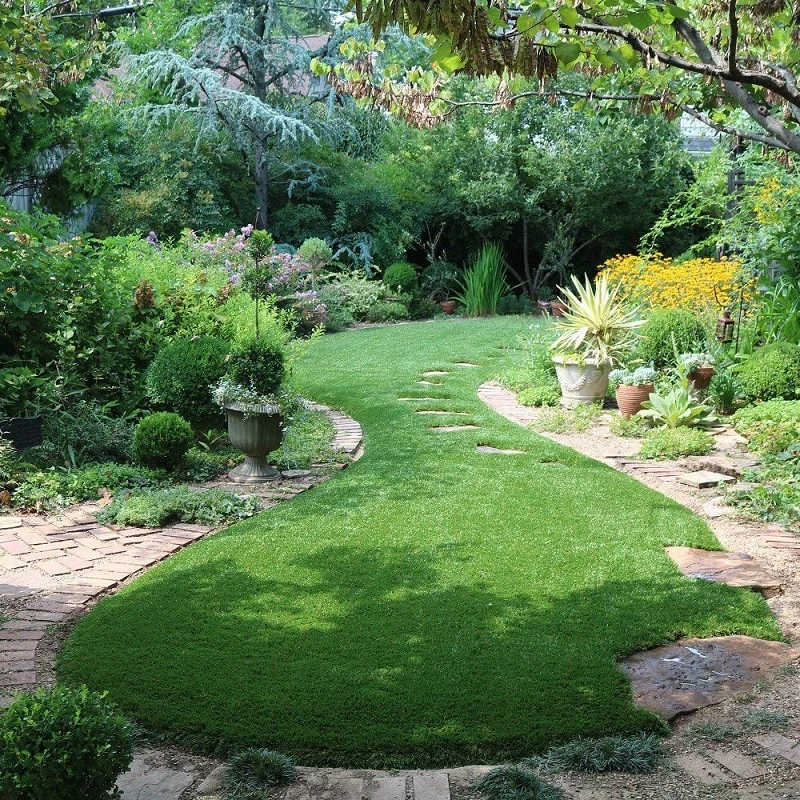
- Combine turf with pavers or stone pathways
- Create custom shapes and patterns
- Install backyard putting greens
- Design pet-friendly play zones
- Add decorative borders and lighting
Artificial grass is highly versatile, allowing you to transform your yard into a functional and stylish outdoor space.
12. Professional Installation vs. DIY
While some homeowners attempt DIY installation, professional installation is often recommended for best results.
Professionals ensure:
- Proper excavation and grading
- Secure seam joining
- Correct infill distribution
- Long-lasting durability
Improper installation can lead to uneven surfaces, drainage problems, or premature damage. Investing in professional services can prevent costly repairs later.
13. Compare Long-Term Costs
Before making a decision, compare the long-term costs of natural grass versus artificial turf.
Natural grass expenses include:
- Water bills
- Lawn care services
- Fertilizers and pesticides
- Equipment purchases and maintenance
- Reseeding and lawn repairs
Artificial turf eliminates most of these recurring costs. While the upfront investment is higher, long-term savings often make it financially worthwhile.
14. Realistic Expectations
Artificial grass looks realistic, but it is not identical to natural turf. It does not:
- Grow or change with seasons
- Provide the natural scent of grass
- Support soil ecosystems
However, it does offer consistent beauty, low maintenance, and durability. Setting realistic expectations ensures satisfaction with your decision.
Final Thoughts
Replacing your natural lawn with artificial turf is a significant landscaping upgrade that can deliver long-term benefits. From water conservation and reduced maintenance to enhanced durability and design flexibility, artificial grass offers a practical alternative to traditional lawns.
However, success depends on proper planning. Understanding installation requirements, selecting the right product, ensuring proper drainage, and considering your family’s needs are essential steps before making the switch.
By doing thorough research and working with experienced professionals, you can enjoy a beautiful, low-maintenance lawn that stays green and inviting for years to come.




















Sign in to leave a comment.