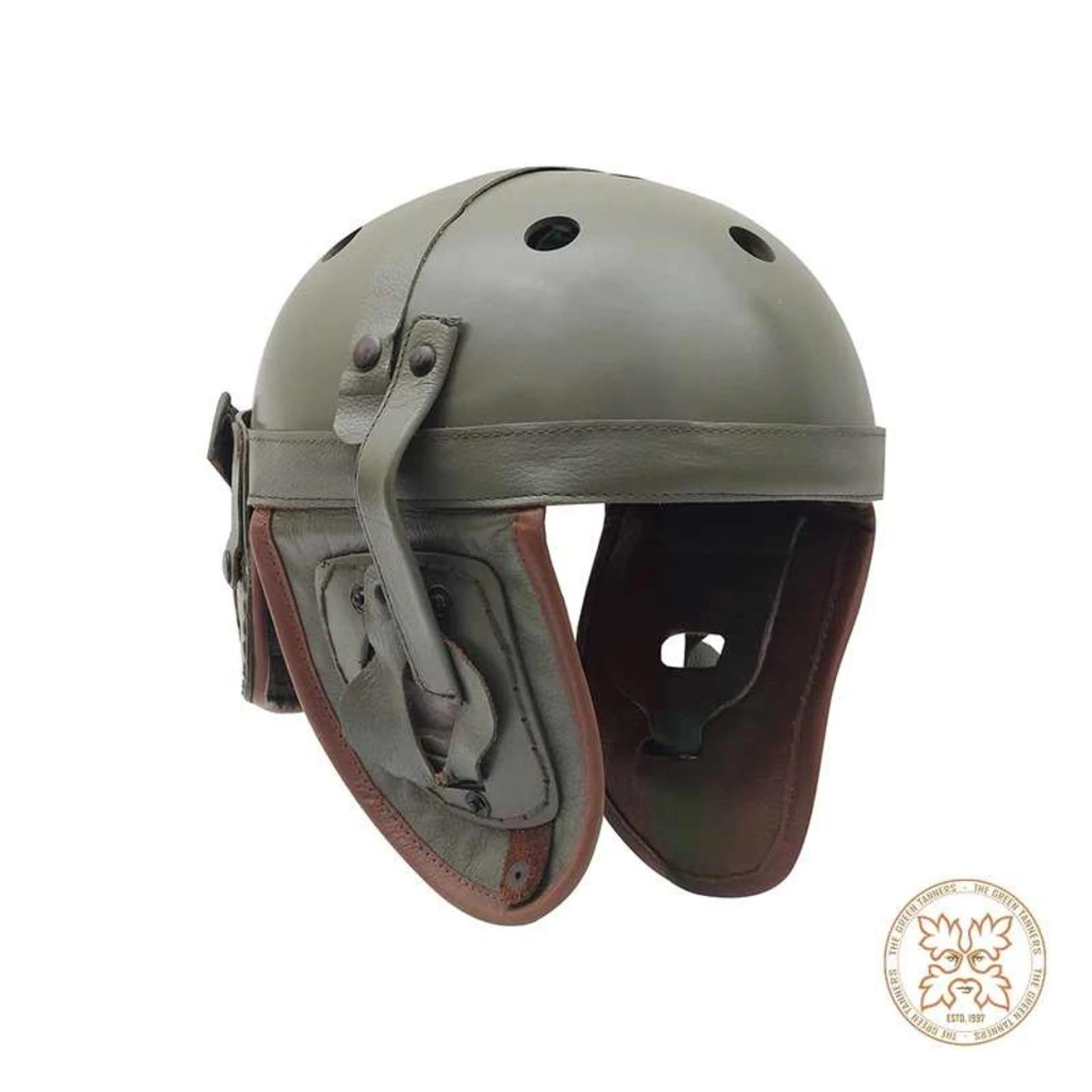

The military helmet stands as an iconic symbol of protection, resilience, and preparedness. From ancient times to modern warfare, helmets have evolved in design, materials, and technology to meet the challenges of combat while offering vital protection to soldiers. In this article, we explore the history, design features, evolution, and significance of the military helmet.
Historical Origins
The history of the military helmet dates back thousands of years, with evidence of early forms of head protection found in ancient civilizations such as the Greeks, Romans, and Assyrians. These early helmets were typically made of bronze or iron and were designed to offer basic protection against projectiles and melee weapons.
As warfare advanced, so did helmet technology. Medieval knights wore elaborate helmets made of steel, often adorned with crests or visors for added protection and intimidation. These helmets were crafted by skilled artisans and tailored to the individual needs and preferences of the wearer.
Evolution of Design
The design of military helmets has evolved significantly over the centuries, driven by advancements in metallurgy, manufacturing techniques, and combat tactics. By the 20th century, helmets became standard issue for military personnel worldwide, with each nation developing its own distinctive designs tailored to its specific needs and requirements.
One of the most significant developments in helmet design came during World War I, with the introduction of the iconic steel helmet known as the Brodie helmet (used by British forces) and the M1917 helmet (used by American forces). These helmets featured a distinctive dome-shaped design with a brim to protect the wearer's head from shrapnel and debris.
Modern Features and Technology
Modern military helmets incorporate a range of features and technologies designed to enhance protection, comfort, and versatility. High-strength ballistic materials such as Kevlar and advanced composites offer superior protection against ballistic threats while reducing weight and bulk. Modular designs allow for the attachment of accessories such as night vision devices, communication systems, and protective visors, enhancing situational awareness and mission effectiveness.
Helmet liners and suspension systems are designed to provide a secure and comfortable fit, reducing the risk of injury from impacts and minimizing fatigue during extended wear. Ventilation systems and moisture-wicking materials help regulate temperature and moisture levels, preventing overheating and discomfort in extreme conditions.
Significance in Combat
The military helmet plays a crucial role in protecting soldiers from head injuries and mitigating the effects of blasts and projectiles on the battlefield. In addition to physical protection, helmets also serve as a symbol of identity, unit pride, and military tradition. Many helmets feature insignia, decals, or camouflage patterns that reflect the wearer's branch of service, rank, or unit affiliation.
Beyond combat, military helmets are also used in peacekeeping operations, disaster relief efforts, and law enforcement activities where head protection is essential. Their versatility and adaptability make them indispensable tools for ensuring the safety and security of personnel in a variety of challenging environments.
Cultural and Symbolic Impact
The military helmet has left a lasting imprint on popular culture, appearing in movies, video games, and literature as a symbol of bravery, sacrifice, and heroism. Its distinctive shape and appearance have become instantly recognizable icons of military service and patriotism, evoking feelings of pride, reverence, and admiration.
In addition to its cultural significance, the military helmet also serves as a reminder of the human cost of war and the importance of protecting those who serve. Each helmet bears witness to the sacrifices made by generations of soldiers who have faced danger and adversity in defense of their country and fellow citizens.
Conclusion
The military helmet stands as a testament to human ingenuity, resilience, and adaptability in the face of adversity. From ancient warriors to modern soldiers, helmets have played a vital role in protecting those who serve while serving as symbols of courage, duty, and sacrifice. As technology continues to evolve, so too will the design and capabilities of military helmets, ensuring that future generations of soldiers remain safe and prepared in the defense of freedom and security.

























Sign in to leave a comment.