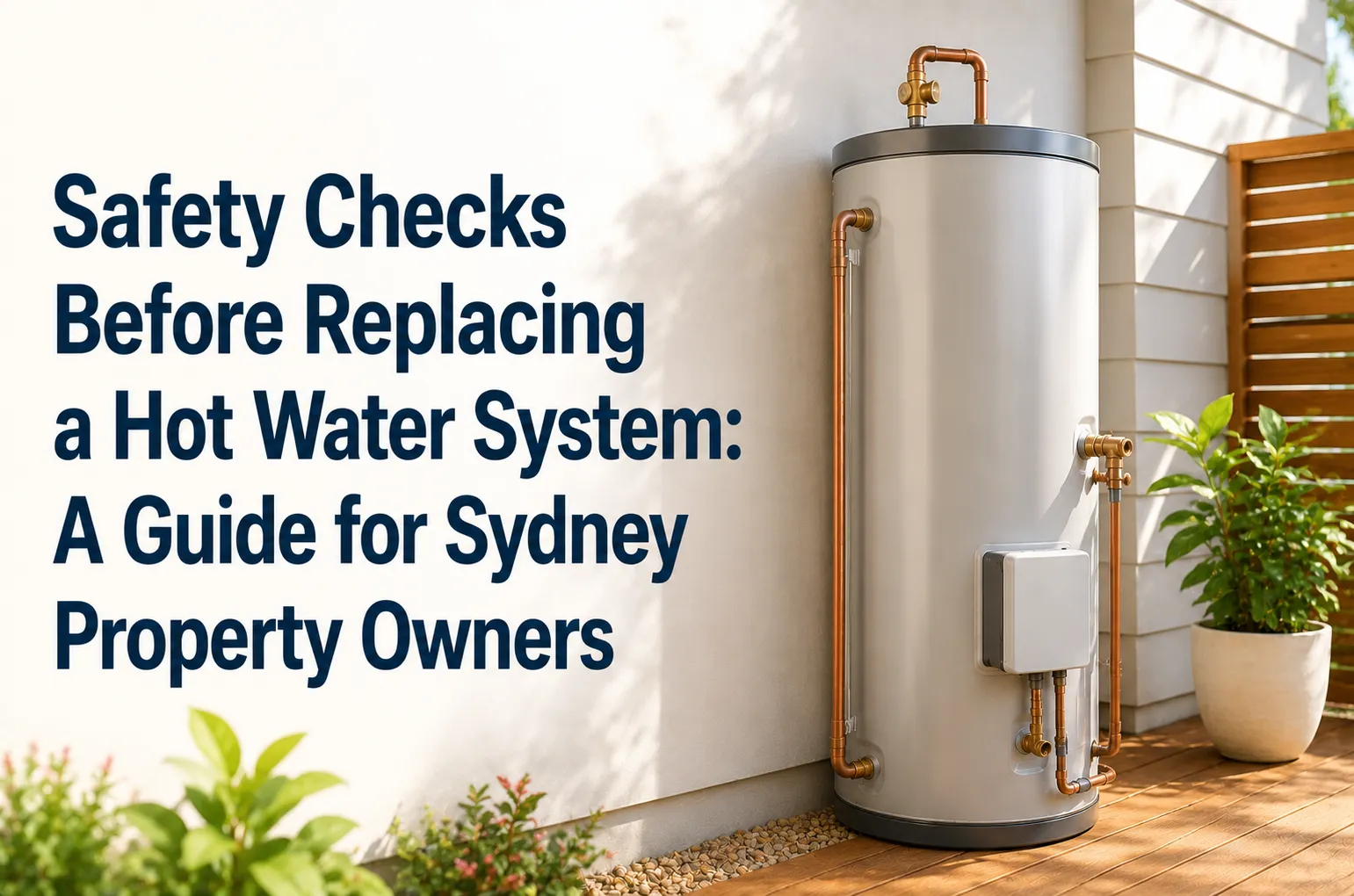

Replacing a hot water system is a significant home improvement decision that affects comfort, energy efficiency, and household safety. Whether prompted by system failure, ageing equipment, or the desire for improved performance, understanding the safety checks before replacing a hot water system is essential for ensuring a smooth and secure transition.
For homeowners and businesses in Sydney, proper preparation not only minimises risks but also helps ensure compliance with Australian regulations. By conducting thorough safety assessments prior to installation, property owners can protect their investment and support the long-term reliability of their new system.
Why Safety Checks Are Essential
Hot water systems involve multiple components, including plumbing, electrical or gas connections, and pressure mechanisms. Any oversight during replacement can lead to hazards such as leaks, electrical faults, gas risks, or inadequate system performance. Conducting comprehensive safety checks ensures that the installation environment is suitable and that the new system operates efficiently and safely.
Assessing the Existing System
1. Identifying the Energy Source
Before replacing a hot water unit, it is important to determine whether the existing system is powered by electricity, gas, solar, or a heat pump. Each energy source has specific safety requirements and installation considerations. Understanding these factors helps guide the selection of a compatible replacement system.
2. Evaluating System Condition
Inspecting the current unit for signs of corrosion, leaks, or structural damage can provide insights into potential risks. This assessment also helps professionals determine whether additional repairs to surrounding infrastructure may be necessary.
3. Checking System Capacity
Ensuring that the replacement system meets the property’s hot water demand is crucial. An undersized unit may lead to performance issues, while an oversized system can result in unnecessary energy consumption.
Electrical Safety Considerations
1. Compliance with Australian Standards
Electric hot water systems must comply with relevant Australian Standards, including AS/NZS 3000 (Wiring Rules). A licensed electrician should verify that the electrical supply, wiring, and circuit protection are suitable for the new system.
2. Isolation and Disconnect Procedures
Prior to removal of the existing unit, the electrical supply must be safely isolated to prevent the risk of electric shock. Proper lockout and tagging procedures should be followed during installation.
3. Adequate Power Supply
Some modern systems, particularly heat pumps, may have different electrical requirements. Confirming that the property’s electrical infrastructure can support the new unit is an essential safety step.
Gas Safety Considerations
1. Inspection of Gas Lines
For gas-powered systems, all gas lines and connections should be inspected for integrity and compliance with AS/NZS 5601. Licensed gas fitters are responsible for ensuring that installations meet safety standards.
2. Ventilation Requirements
Adequate ventilation is critical for the safe operation of gas hot water systems. Proper flue installation and airflow help prevent the accumulation of harmful gases such as carbon monoxide.
3. Gas Pressure and Meter Capacity
Verifying that the gas supply and meter capacity are sufficient for the new system helps ensure reliable and safe operation.
Plumbing and Water Safety Checks
1. Pressure Relief Valves
Temperature and Pressure Relief (TPR) valves are essential safety components that prevent excessive pressure buildup within the system. These valves should be inspected and replaced if necessary during installation.
2. Pipework and Connections
Existing plumbing should be examined for corrosion, leaks, or inadequate sizing. Upgrading pipework may be required to accommodate the new system and ensure optimal performance.
3. Drainage Provisions
Proper drainage is necessary to safely discharge water from relief valves or potential leaks. Ensuring that drainage points are correctly positioned helps prevent water damage to the property.
Structural and Location Considerations
1. Adequate Space and Accessibility
The installation site should provide sufficient space for the new unit, allowing for safe operation and future maintenance. Accessibility is particularly important for servicing and emergency shut-offs.
2. Load-Bearing Capacity
For larger storage systems, especially those installed on elevated platforms or within roof spaces, verifying the structural capacity of the supporting surface is essential.
3. Environmental Exposure
Outdoor installations should consider exposure to weather conditions, including sun, rain, and coastal salt air. Protective measures may be necessary to enhance durability and safety.
Compliance with Local Regulations
1. Council and Building Requirements
In Sydney, hot water system installations must comply with local council regulations and the National Construction Code (NCC). Engaging licensed professionals helps ensure that all legal and safety obligations are met.
2. Energy Efficiency Standards
Modern hot water systems are subject to energy efficiency requirements. Selecting a compliant system supports sustainability and may contribute to reduced operating costs.
3. Certification and Documentation
Upon completion of the installation, relevant compliance certificates should be provided. These documents confirm that the work has been carried out in accordance with Australian standards.
Selecting the Right Replacement System
1. Matching Household or Business Needs
Assessing water usage patterns helps determine the appropriate system type and capacity. Options include storage tanks, continuous flow systems, solar units, and heat pumps.
2. Considering Future Efficiency
Upgrading to an energy-efficient system can provide long-term environmental and operational benefits. Consulting with qualified professionals can assist in selecting a suitable solution.
3. Planning for Maintenance
Ensuring that the chosen system allows for easy maintenance and servicing contributes to its longevity and safe operation.
The Role of Licensed Professionals
Replacing a hot water system involves specialised knowledge across plumbing, electrical, and gas disciplines. Engaging licensed tradespeople ensures that each aspect of the installation is completed safely and in compliance with regulatory requirements. Professional assessments also help identify potential risks that may not be immediately apparent to property owners.
Preparing for Installation Day
To facilitate a smooth replacement process, property owners can take several preparatory steps:
- Clear the installation area to provide safe access for technicians.
- Ensure availability of utility connections, including electricity, gas, and water.
- Discuss system specifications with the installer in advance.
- Arrange temporary alternatives for hot water if required during the installation period.
- Review safety documentation provided by the installer.
Sustainability and Environmental Considerations
Replacing an outdated hot water system offers an opportunity to adopt more sustainable technologies. Solar and heat pump systems, for example, can reduce greenhouse gas emissions and support environmentally responsible living. Proper disposal and recycling of the old unit also contribute to sustainable practices.
Conclusion
Understanding the safety checks before replacing a hot water system is essential for ensuring a secure and efficient installation. From assessing electrical and gas connections to verifying plumbing integrity and regulatory compliance, each step plays a vital role in safeguarding both the property and its occupants.
For homeowners and businesses in Sydney, engaging licensed professionals and conducting thorough pre-installation assessments can help prevent potential hazards and support the long-term performance of the new system. By prioritising safety and careful planning, property owners can enjoy reliable hot water with confidence.
Key Takeaways
- Comprehensive safety checks are essential before replacing a hot water system.
- Electrical, gas, and plumbing components must comply with relevant Australian Standards.
- Proper site preparation and structural considerations support safe installation.
- Engaging licensed professionals ensures regulatory compliance and reliable performance.
- Upgrading to energy-efficient systems can provide long-term environmental and economic benefits.


























Sign in to leave a comment.