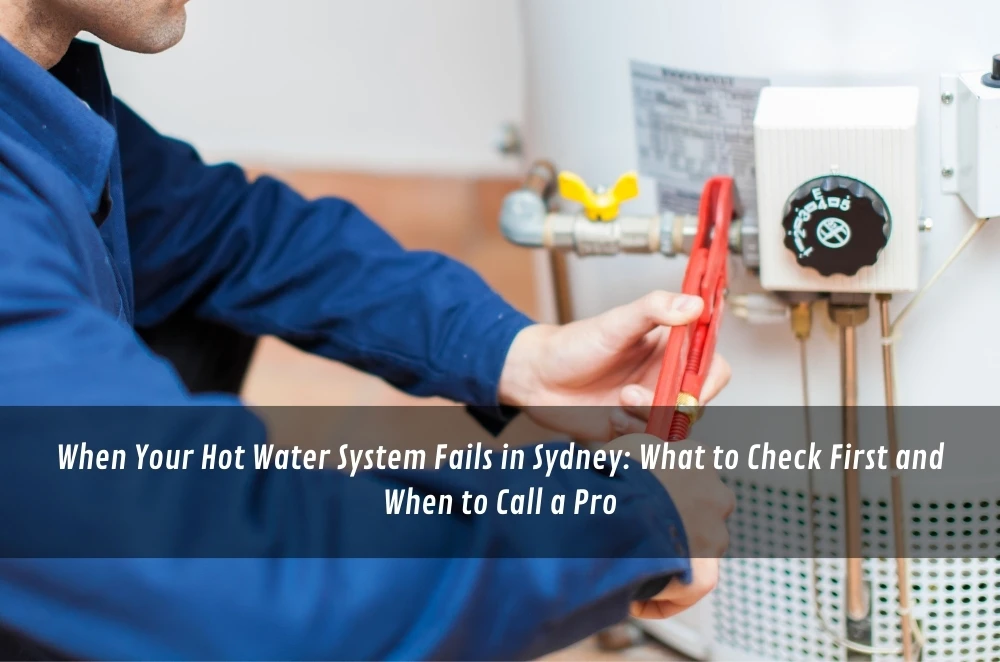

Hot water problems love bad timing. Early Monday. Late at night. Right before you’ve got people coming over.
In Sydney, the cause is often small. The impact can be big.
A slow leak can turn into floor damage. A worn thermostat can mean lukewarm showers for days. And the wrong DIY move can turn a simple fix into a more expensive job.
This guide covers the quick checks you can do safely, the warning signs that mean stop and call someone, and how to decide whether a repair is worth it.
Common hot water symptoms (and what they usually point to)
Hot water systems don’t fail in a thousand different ways. They fail in a few predictable patterns.
No hot water anywhere
If every tap is cold, you’re usually looking at:
- A tripped circuit breaker or blown fuse (electric)
- Ignition or pilot issues (some gas)
- A failed thermostat or heating element
- A safety shut-off that’s been triggered
If it’s the whole property, it’s rarely “just one tap”.
Hot water runs out too fast
This often comes down to:
- Thermostat settings are drifting or failing
- One heating element is not working (electric storage)
- Sediment build-up is taking up tank space
- The system is too small for the current demand
People adapt to this without realising it’s a fault.
Temperature swings (too hot, too cold, or inconsistent)
Sudden changes can link to:
- Thermostat issues
- A tempering valve is not doing its job
- Burner cycling problems (gas)
- Pressure changes when multiple taps run
Sharp swings can be a safety risk, not just an annoyance.
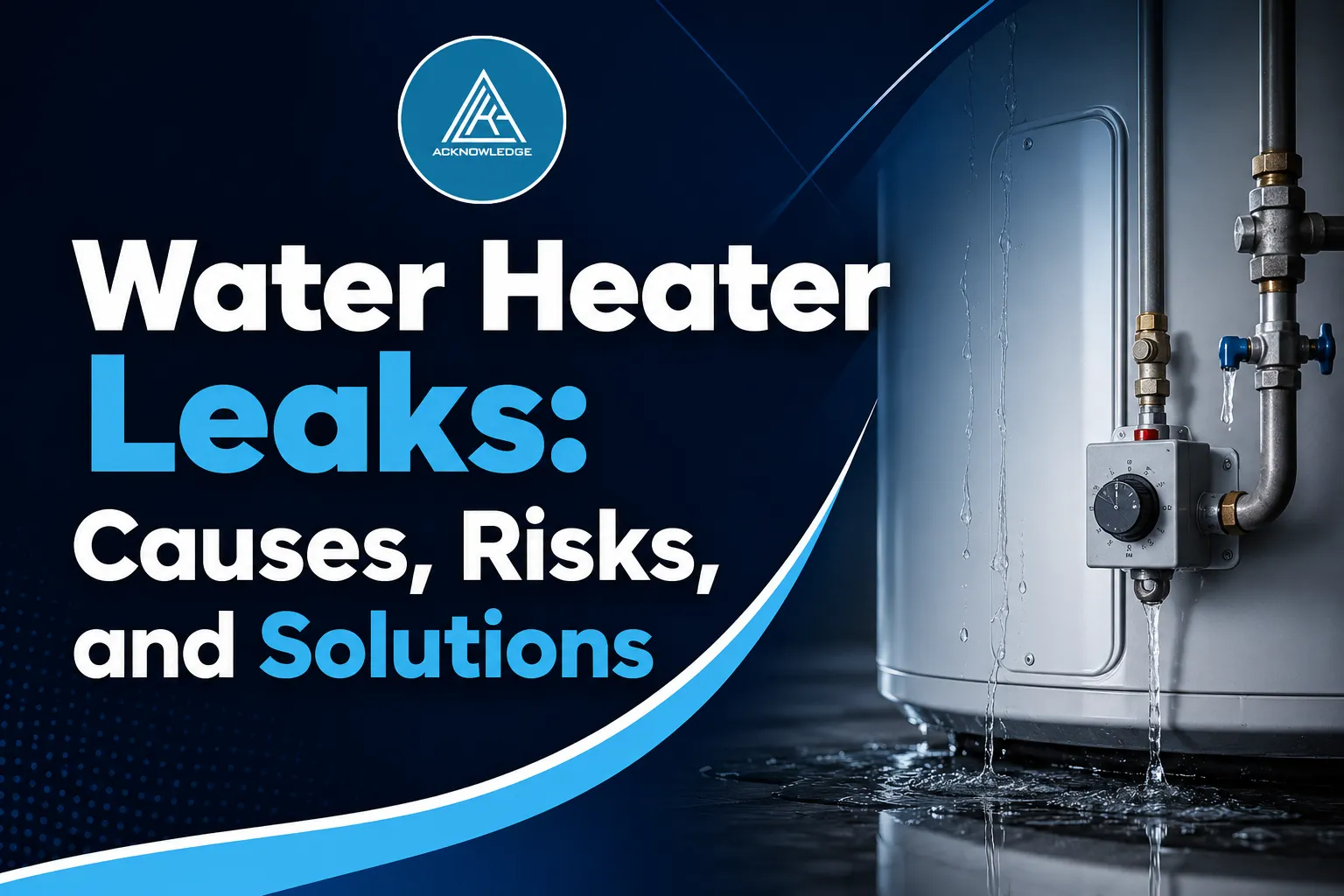
Leaks or dampness around the unit
Leaks may come from:
- Valves or loose fittings
- A pressure relief valve is discharging
- Tank corrosion (older storage units)
- Pipework right beside the unit
A steady drip still matters.
Strange noises (popping, rumbling, banging)
Noise often means:
- Scale and sediment are heating up inside the tank
- Water “kettling” due to overheating
- Expansion and contraction in pipes
Some noise is normal. New noise is information.
Safe checks you can do before spending money
These checks won’t fix every issue, but they can quickly narrow down what’s happening.
1) Check your power or gas supply
Electric systems:
Look for a tripped breaker or safety switch on your switchboard. If it trips again after resetting, don’t keep trying. Repeated trips can signal an electrical fault.
Gas systems:
Check whether other gas appliances are working. If you smell gas, stop troubleshooting, ventilate the area, and follow safety advice from your provider.
This one step rules out a lot.
2) Work out if it’s one tap or all taps
If only one tap is affected, the issue could be:
- A blocked aerator
- A failing mixer cartridge
- A tempering valve affecting a specific line
If every tap is affected, the system itself is the likely source.
3) Look for visible leaks and pooling water
Do a quick scan for:
- Damp patches at the base of the unit
- Rust stains
- Water tracking along copper pipes
- Constant discharge from the relief valve line
If you see active pooling, isolate the water to the unit if you can do so safely.
4) Identify the system type
Knowing whether it’s electric storage, gas storage, continuous flow, heat pump, or solar with booster changes what “normal” looks like and what a technician will test first.
One-line reality check: Two systems can have the same symptom and completely different causes.
What you should avoid doing (even if it looks simple)
Hot water systems combine electricity, gas, pressure, and very hot water. That’s not a great mix for guesswork.
Avoid:
- Opening electrical panels on the unit
- Adjusting gas burners or ignition parts
- Bypassing tempering valves
- Forcing relief valves “to stop the drip”
- Tightening fittings that you can’t clearly identify
Practical opinion #1: If the problem touches electricity, gas, or safety valves, it’s usually not a weekend DIY job.
Step 1: Decide if it’s urgent
Not every hot water issue is an emergency. Some are.
Treat it as urgent if you notice:
- Water pooling or a fast leak
- Burning smells, buzzing, or sparking
- Relief valve discharge that won’t stop
- Brown/rusty hot water
- Scalding hot spikes or sudden cold swings
- Repeated power trips are linked to the system
If any of these are happening, focus on damage control first. Turn off the power at the switchboard (electric), isolate water to the unit if safe, and call a licensed professional.
Step 2: Decide whether repair still makes sense
A repair is often sensible when:
- The tank body is sound (no corrosion-through)
- It’s a clear component failure (thermostat, element, valve)
- The unit has been reliable until now
- The capacity still suits how you use hot water
Replacement becomes more likely when:
- The tank is corroded or leaking from the body
- Faults keep repeating in a cycle
- Performance is no longer meeting demand
- Running costs are creeping up, and you’re patching more often
Practical opinion #2: If you’ve had multiple call-outs in a year, you’re often better off planning a replacement and seeking hot water system setup and replacement help instead of paying to stand still.
Operator experience moment
Most hot water failures give warnings. People just get used to them.
The common line is, “It was only doing it sometimes.” That “sometimes” is usually the start of the decline — slower recovery, minor temperature swings, or a relief valve that drips on and off.
Another missed detail is assuming the unit has died when the real issue is a tempering valve or a pressure problem upstream. A quick observation can change the fix completely.
A Sydney SMB mini-walkthrough (where to start)
Let’s say you run a small café in the CBD. You rely on hot water for cleaning and daily hygiene, and weekends are hectic.
- Thursday: hot water starts running out earlier than usual.
- First check: is it all taps, or just the kitchen sink?
- Then, check the switchboard (electric) or other gas appliances (gas).
- Quick look: any dampness around the unit or steady relief valve discharge.
- Action: book a service before the weekend rush, while it still works.
- Ask: confirm whether it’s a failing component or a sizing issue.
- Plan: repair now if the tank is sound, or schedule replacement before the next peak period.
That’s downtime prevention, not panic.
Maintenance that actually prevents breakdowns
Hot water maintenance doesn’t need a spreadsheet. It needs attention and a bit of consistency.
Sydney properties commonly deal with:
- Sediment and scale
- Worn valves
- Ageing thermostats and elements
- Pressure fluctuations
Practical habits that help:
- Keep the area around the unit clear and dry
- Notice changes in heating time or temperature stability
- Watch for new noises that weren’t there before
- Get valves and safety controls checked during a professional service
One-line tip: if something changes, write it down — even a quick note on your phone helps when explaining the fault.
Practical opinion #3: If you’ve noticed new noise or slower heating, get it checked before it becomes a Sunday night problem.
What a proper service call usually includes
A good inspection is more than swapping a part and leaving.
A licensed technician may check:
- Thermostat performance and settings
- Heating element health (electric)
- Burner and ignition behaviour (gas)
- Tempering and relief valve operation
- Signs of tank corrosion or stress
- Pipework condition and isolation valves
- Error codes (continuous flow systems)
- Pressure and flow behaviour under load
If you’re in Sydney and need a clear path forward, it can help to organise an assessment for hot water repairs in Sydney, so you know whether you’re dealing with a simple component fix or the early signs of a bigger failure.
Questions worth asking before you approve a repair
You don’t need to be technical. You just need clarity.
Ask:
- What failed, and what caused it?
- Is the tank body sound?
- Is this repair likely to last, or is it a short-term patch?
- Are there safety concerns with temperature or pressure?
- If we replaced the unit, what would change (capacity, reliability, efficiency)?
Clear answers now prevent regret later.
Key Takeaways
- Do the safe checks first: power/gas supply, whether all taps are affected, and visible leaks.
- Treat pooling water, constant relief valve discharge, and sharp temperature swings as urgent.
- Repairs are usually worthwhile when the tank is sound, and the fault is a component issue.
- Repeated faults often signal it’s time to plan a replacement, not keep patching.
- Basic observation and timely servicing prevent most “sudden” breakdowns.
Common questions we hear from Australian businesses
If hot water is still working but “not right”, how fast should we act?
Usually, sooner than you think. Small changes like slower recovery or mild temperature swings often turn into full failure within weeks, not months. A practical next step is to book service while the unit still runs, so diagnosis is easier, and you can avoid downtime during peak hours.
When a system is leaking, how do we know if it’s repairable?
It depends on where the leak is. A valve, fitting, or relief line issue can be straightforward. A tank body leak often points to corrosion, and that usually means replacement. Next step: take note of where the water is showing up (base of the unit, valve area, pipework) and have a licensed technician confirm the source.
Is continuous flow better than storage for a small workplace?
In most cases, continuous flow works well when demand is steady, and the unit is sized correctly. Storage can suit short, high-demand bursts, but only if capacity matches the busiest window. Next step: map your busiest 60–90 minutes (kitchen, basins, cleaning) and use that pattern to guide system choice.
How can we tell if we’re spending too much on repairs?
Usually, the pattern tells you. If faults keep repeating, call-outs are getting closer together, or performance hasn’t improved after fixes, you may be paying for temporary relief. Next step: ask what’s likely to fail next and whether the tank and key controls are in good enough condition to justify further repairs.
























Sign in to leave a comment.