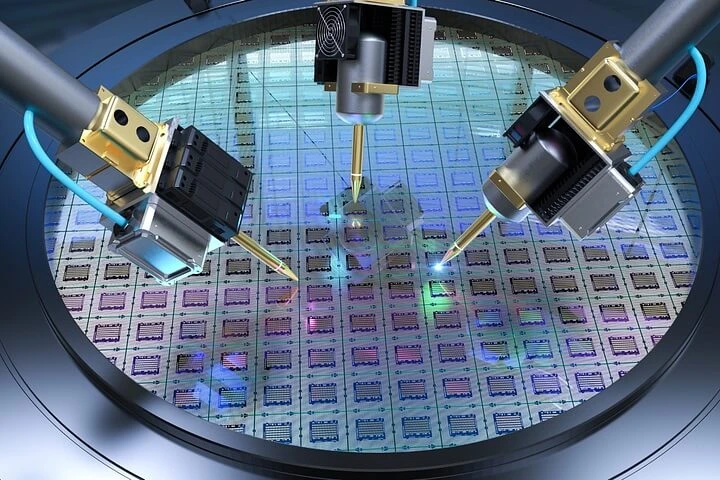

The semiconductor industry plays a crucial role in the development of advanced technologies. Semiconductor coatings are essential for protecting and enhancing the performance of semiconductor devices. However, the coating process involves various hazardous materials and poses potential risks to both the workers and the environment. Implementing proper safety measures is of utmost importance to ensure the well-being of personnel and prevent accidents. In this article, we will explore the key safety measures that should be followed during the semiconductor coating process.
1. Training and Education
Importance of training:
Proper training and education are fundamental to ensuring safety in the semiconductor coating process. All personnel involved in the coating operations should receive comprehensive training on the handling of hazardous materials, equipment operation, emergency procedures, and personal protective equipment (PPE) usage. This training should be ongoing to keep employees updated on the latest safety protocols and best practices.
Hazardous material handling:
Workers must be trained on the safe handling, storage, and disposal of hazardous materials used in the coating process. This includes understanding the properties of the chemicals, proper labeling, and following strict protocols to prevent spills, leaks, or exposure. Training should also cover the use of safety data sheets (SDS) to provide information on the potential hazards and appropriate handling procedures for each chemical.
2. Personal Protective Equipment (PPE)
Selection and usage:
Proper selection and usage of personal protective equipment (PPE) are critical to safeguarding workers during the semiconductor coating process. PPE may include gloves, goggles, face shields, respirators, lab coats, and safety shoes. Employers should provide suitable PPE based on the specific hazards present in the coating area. Workers must be trained on the correct usage, maintenance, and disposal of PPE to ensure maximum effectiveness.
Respiratory protection:
In semiconductor coating processes, workers may be exposed to airborne contaminants or hazardous fumes. Respiratory protection, such as respirators or masks, should be provided to prevent inhalation of harmful substances. Employers must conduct regular fit testing, provide proper training on respirator usage, and ensure that workers have a clean and functional respiratory protection system.
3. Ventilation and Containment
Local exhaust ventilation:
Proper ventilation is crucial to control and remove hazardous fumes, vapors, and dust generated during the coating process. Local exhaust ventilation systems should be installed to capture and remove contaminants at the source. These systems should be regularly inspected, maintained, and tested to ensure optimal performance. Adequate airflow and ventilation rates should be maintained to minimize exposure risks.
Containment measures:
To prevent the spread of hazardous materials and minimize the risk of contamination, containment measures should be implemented. This includes using appropriate containers for chemical storage, ensuring proper sealing of equipment, and implementing spill control measures. Regular inspections and maintenance of containment systems are essential to identify and address any potential leaks or breaches.
4. Emergency Preparedness
Emergency response plan:
An effective emergency response plan is critical to handle potential accidents or incidents during the semiconductor coating process. The plan should include procedures for spills, leaks, fires, and medical emergencies. All employees should be familiar with the plan, and regular drills and training sessions should be conducted to ensure a prompt and coordinated response in case of an emergency.
First aid and medical facilities:
Proper first aid facilities should be readily available in the coating area, and trained personnel should be present to provide immediate medical assistance if needed. Additionally, access to medical facilities, such as hospitals or clinics, should be ensured in case of severe injuries or exposures. Regular medical check-ups and monitoring of workers' health are also important to detect any potential long-term effects of exposure to hazardous materials.
Conclusion
Safety should be a top priority in the semiconductor coating process to protect workers and the environment from potential hazards. By implementing proper training and education, providing appropriate personal protective equipment, ensuring effective ventilation and containment measures, and establishing a robust emergency preparedness plan, semiconductor companies can create a safe working environment for their employees. Adhering to these safety measures not only prevents accidents and injuries but also promotes the long-term sustainability and success of the semiconductor industry.
References:
Safety Practices for Wafer Back Coating Process in Semiconductor Manufacturing Plant Open Access written by Terence Soosai Palaventhram and Norliza Mohd NoorProcess Safety in the Semiconductor Industry by DEKRAComprehensive Evaluation for Protective Coatings: Optical, Electrical, Photoelectrochemical, and Spectroscopic Characterizations by Xin Shen1, Rito Yanagi, Devan Solanki, Haoqing Su, Zhaohan Li, Cheng-Xiang Xiang, Shu Hu


















Sign in to leave a comment.