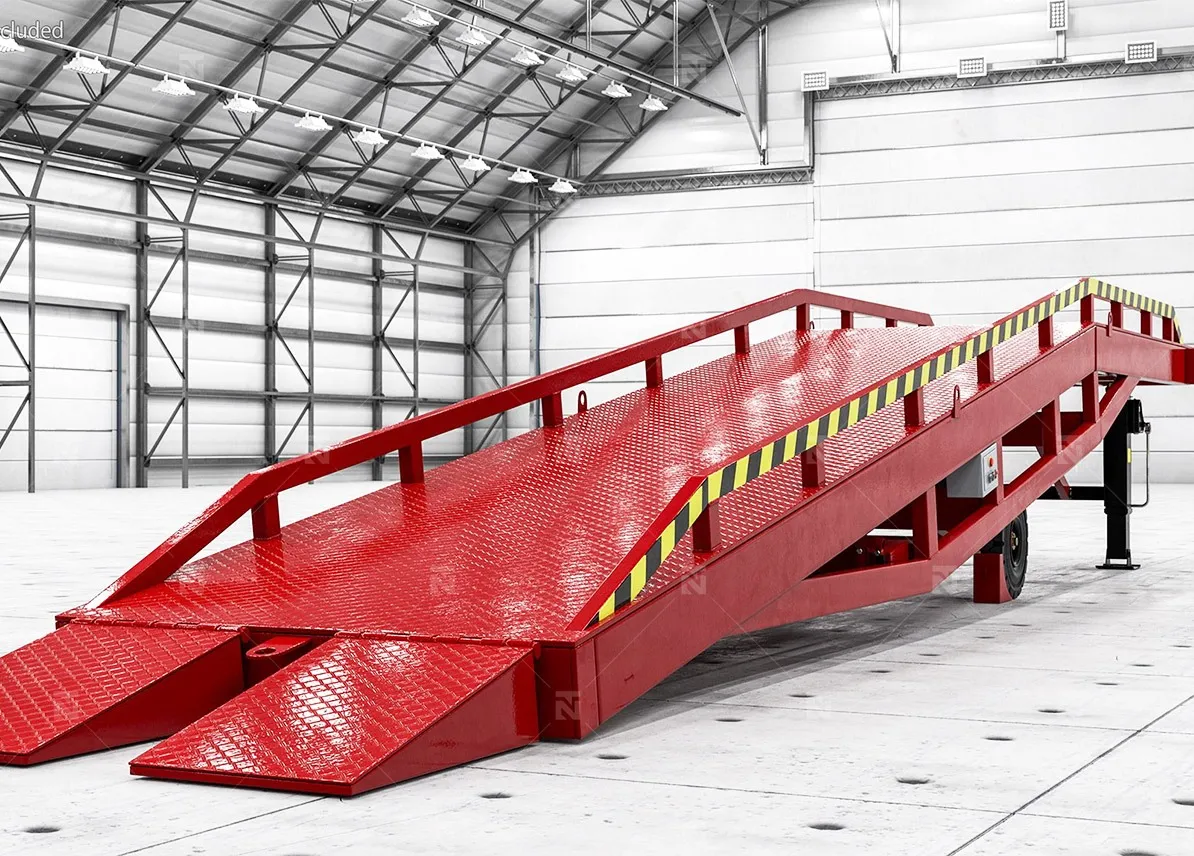

Loading and unloading sounds simple until something goes wrong mid-operation. A ramp that shifts, a load that tips, a worker caught off guard, these aren't rare situations. Getting the most out of mobile loading ramps starts with using them the right way, every single time.
What Are Mobile Loading Ramps?
If you've never worked around one, the concept is straightforward—it's a portable ramp that sits between a truck and the ground so goods can move between the two levels without a fixed dock. They come in different sizes and weight ratings depending on what's being moved. Forklifts, pallet jacks, heavy cargo—the right ramp handles all of it without any permanent installation at the site.
How to Use Mobile Loading Ramps Safely?
A lot of dock injuries trace back to shortcuts taken during setup or operation. None of these tips are complicated—they just need to be followed every single day.
Look It Over Before the Shift Starts
Walk around it before anything gets loaded on. Surface damage, bent rails, worn attachment points—catching these early keeps the team out of trouble before work even begins.
Lock It Down Before Anyone Steps On
Position it against the truck or dock edge, then physically verify it's holding. Give it a firm check before waving anyone through. A ramp that looks secure and one that actually is are two very different things.
Know What It Can Handle
Pushing past the weight rating doesn't always cause an immediate problem—but it moves you closer to one every time. Add up the load and equipment together before anything moves.
Sort Out the Surface Before You Start
Wet or oily surfaces cause slips that happen fast. Wipe it down before the shift and keep grip tape on hand for wet conditions. It's a five-minute job that prevents a lot of unnecessary incidents.
Make Sure the Team Knows What They're Doing
Workers using mobile loading ramps for the first time without guidance tend to wing it—wrong speed, wrong angle, unbalanced load. A short rundown before they start makes a real difference.
Don't Push the Angle
The steeper the ramp, the harder everything gets. Stay within the recommended incline and don't try to make it work at angles it wasn't designed for.
Top Applications of Mobile Loading Ramps
These ramps show up across more industries than most people expect. Anywhere there's a height difference and goods to move, they tend to be the practical answer. Here's where they're used most.
Warehouses and Distribution Centers
Not every bay has a fixed dock. Mobile ramps fill that gap and keep the floor running without hold-ups throughout the day.
Retail and Supermarkets
Deliveries come in regularly and storage areas aren't always built with proper dock access. A mobile ramp sorts that out without any changes to the building.
Manufacturing Facilities
Raw materials and finished goods move between levels all day. Ramps sit where they're needed and shift when the job moves somewhere else on the floor.
Cold Storage Facilities
Getting products in and out fast matters when temperature control is involved. Mobile ramps as part of wider loading systems cut down transfer time and keep goods protected.
Construction Sites
Site layouts change week to week. Mobile ramps work with that—no fixed installation, just place them where access is needed and move them when it isn't.
A ramp that's set up right and used correctly rarely causes problems. Stay on top of inspections, keep the team trained, and your mobile loading ramps will handle daily use without incident for years.

















Sign in to leave a comment.