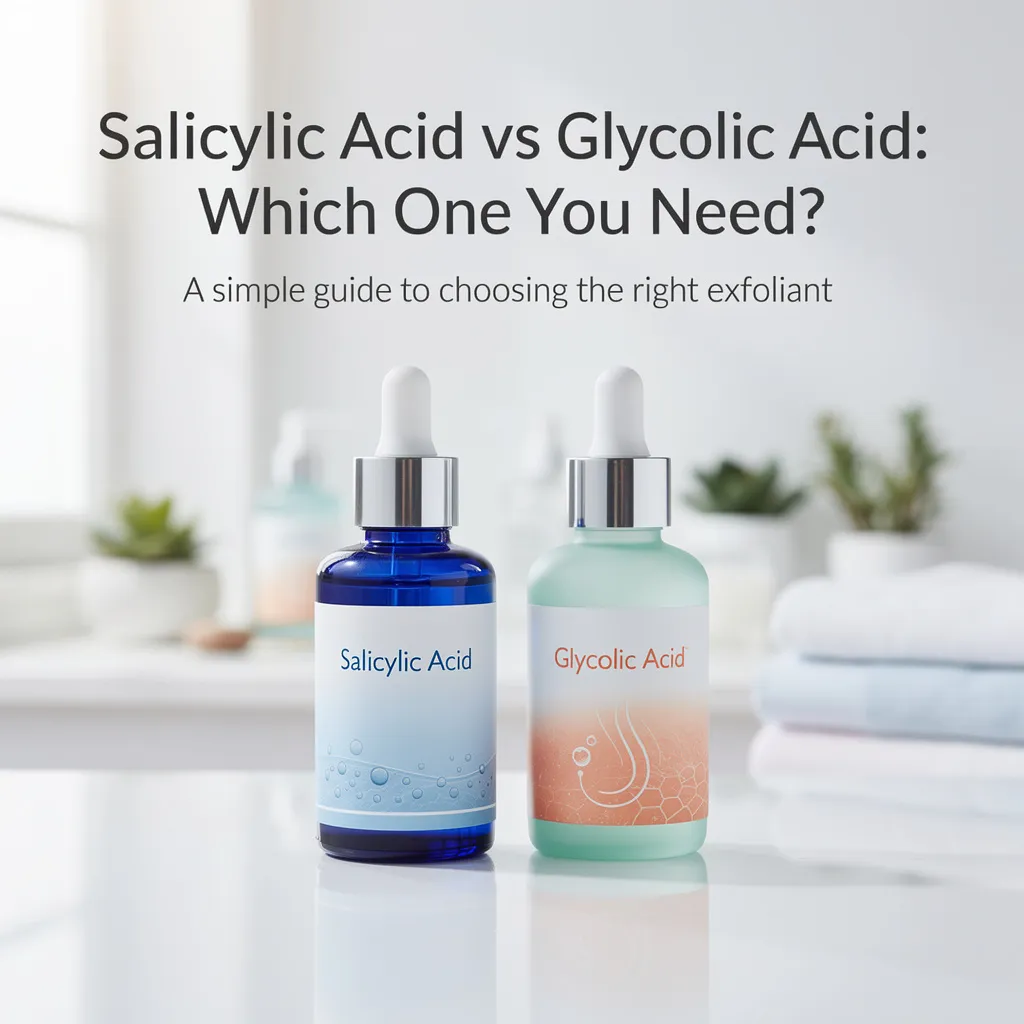

What Salicylic Acid Does
Salicylic acid is an oil-soluble ingredient, which means it can get inside your pores where oil and dead skin tend to build up. This makes it especially useful for oily and acne-prone skin, since it works from within your pores rather than just on the surface.
The benefits of salicylic acid go beyond just clearing breakouts. It helps calm existing inflammation, reduces the size of clogged pores over time, and keeps future breakouts from forming as often. Since it targets oil directly, people with oily or combination skin tend to see the most noticeable difference when using it consistently.
What Glycolic Acid Does
Glycolic acid works differently. It belongs to a group called alpha hydroxy acids, and instead of going into your pores, it works on the surface of your skin. It loosens the bond between dead skin cells, helping them shed faster than they normally would on their own.
This makes glycolic acid great for improving texture, dullness, and mild pigmentation, since it essentially reveals fresher skin underneath. People dealing with rough texture, dark spots from old acne marks, or just an overall dull complexion often notice glycolic acid making a bigger difference than salicylic acid would in these specific areas.
Which One Actually Suits Your Skin
If your main concern is acne, blackheads, or oily skin that breaks out often, salicylic acid is usually the better starting point. Since it works inside the pore itself, it directly addresses what is actually causing those breakouts in the first place, rather than just improving the surface.
If dullness, rough texture, or dark spots are your bigger concern, glycolic acid tends to work better here. It helps your skin look brighter and smoother by clearing away the buildup of dead skin sitting on top, which is often what makes skin look tired or uneven in the first place.
Can You Use Both Together
This is where people often get confused. While both ingredients can technically be used together, it is not something beginners should jump into right away. Using both at the same time increases the risk of irritation, especially if your skin is not used to either ingredient yet.
If you do want to eventually use both, it is better to introduce them separately, giving your skin time to adjust to one before adding the other. Alternating them on different days, rather than layering both at once, is usually a safer approach for most skin types.
A Simple Way to Start With Salicylic Acid
If breakouts and clogged pores are your main issue, starting with a gentle product is the smartest move rather than jumping straight into a strong treatment. A salicylic-based cleanser for dark spots is a good entry point, since it combines the pore-clearing benefits of salicylic acid with a formula gentle enough for daily use, without the intensity of a leave-on treatment.
This kind of gentle introduction lets your skin get used to the ingredient slowly, while still working on both breakouts and the dark marks that acne often leaves behind.
Signs You Might Be Using the Wrong One
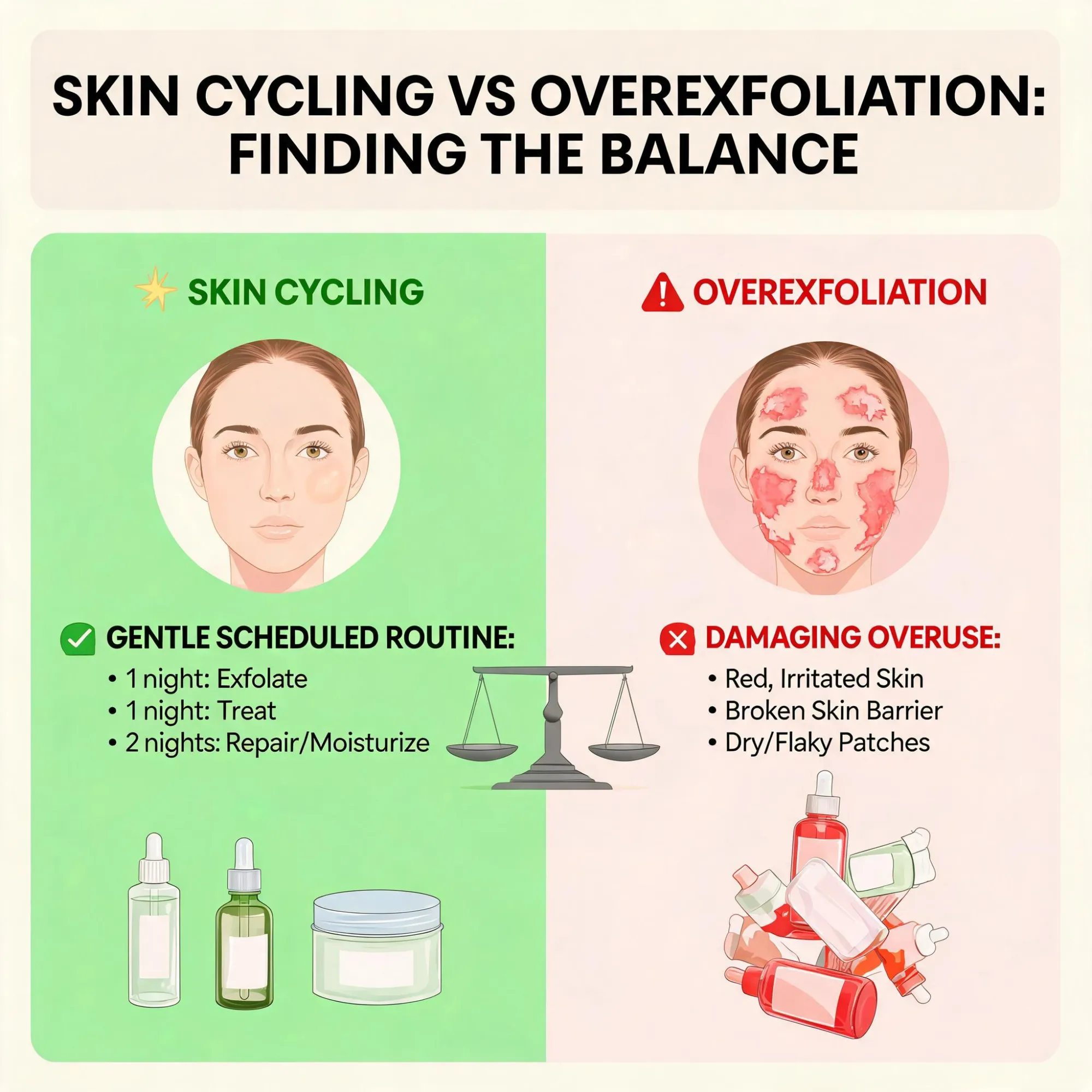
If your skin feels overly dry, tight, or irritated after starting either ingredient, it is a sign you might be using too strong a formula or using it too often. Both salicylic and glycolic acid can cause dryness if overused, especially when you are just getting started.
On the other hand, if you have been using one for weeks with zero improvement in your specific concern, it might simply mean you picked the wrong one for what your skin actually needs. Acne-heavy skin rarely sees dramatic improvement from glycolic acid alone, just like dullness and texture issues will not improve much from salicylic acid on its own.
Final Thoughts
Salicylic acid and glycolic acid are both effective, but they solve different problems. Salicylic acid works best for oily, acne-prone skin by clearing out clogged pores, while glycolic acid shines when it comes to texture, dullness, and mild pigmentation. Knowing which concern you are actually trying to fix makes it much easier to pick the right one, instead of guessing based on whatever is trending at the moment.



























Sign in to leave a comment.