

Getting started with ABA therapy in Albuquerque takes more preparation than most families anticipate. The process involves a diagnosis, an insurance authorization, a clinical assessment, and then a waiting period that can stretch weeks or months depending on provider availability. Understanding each step up front helps families avoid the frustration of delays that feel inexplicable but are usually procedural.
The first requirement is a confirmed autism spectrum disorder diagnosis from a licensed psychologist or developmental pediatrician. Without it, insurers won't authorize ABA services. If your child hasn't been evaluated yet, New Mexico has several developmental clinics and university-affiliated programs that conduct autism evaluations, though waitlists there can be long as well. Some families pursue evaluations through the Albuquerque Public Schools system if the child is school-age, since IDEA entitles eligible children to an educational evaluation at no cost.
Once you have a diagnosis, the next step is contacting your insurance plan to understand your behavioral health benefits. New Mexico requires commercial insurers to cover ABA therapy as a medically necessary treatment for autism under state law. Presbyterian Health Plan, Blue Cross Blue Shield of New Mexico, and Molina Healthcare are among the plans that contract with ABA providers in the area. Medicaid through Centennial Care also covers ABA. The authorization process usually requires a treatment request from the BCBA, supporting documentation from the diagnosing clinician, and sometimes a peer review by the insurance company's clinical team.
What Happens During the Clinical Assessment
After authorization is in place, the provider conducts a skills-based assessment before any therapy begins. This is where the BCBA uses tools like the VB-MAPP or the ABLLS-R to map the child's current abilities across communication, social, and adaptive domains. The assessment typically takes a few hours spread across one or two sessions. Parents are interviewed as part of this process because caregiver priorities and the home environment factor into treatment planning.
The resulting behavior intervention plan outlines specific goals and the strategies the therapy team will use to address them. Plans are supposed to be individualized, not templated. If a plan looks like it could have been written for any child with autism, that's worth questioning. Goals should reflect the family's priorities alongside clinical judgment about where gains will have the most functional impact.
Families exploring their options can review Perfect Pair ABA programs to understand what a locally rooted provider looks like in practice. Local knowledge matters in ways that aren't always obvious, from familiarity with Albuquerque's school districts to relationships with the pediatric specialists families commonly work with.
Getting School and Therapy to Work Together
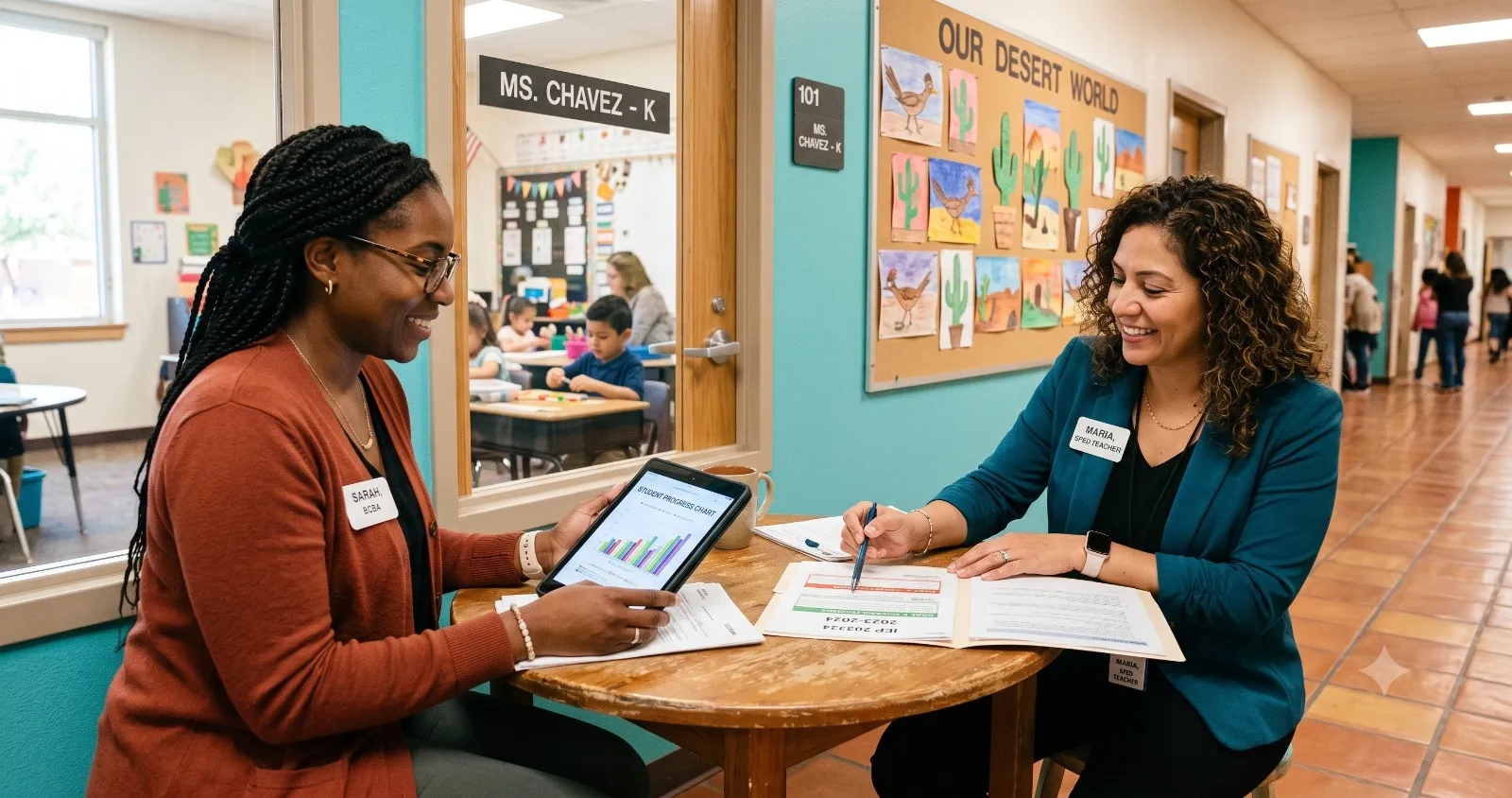
For school-age children, the ABA team and the school should ideally be coordinating. An IEP can include goals that align with the behavior intervention plan, and with parental consent, a BCBA can share data with teachers and special education staff. This kind of coordination doesn't happen automatically. Parents often have to initiate it.
Knowing who to call, what documents to share, and how to request an IEP meeting puts families in a much stronger position. The enrollment process is genuinely demanding, but families who understand it tend to move through it faster and arrive at services that are better calibrated to their child's needs.





























Sign in to leave a comment.