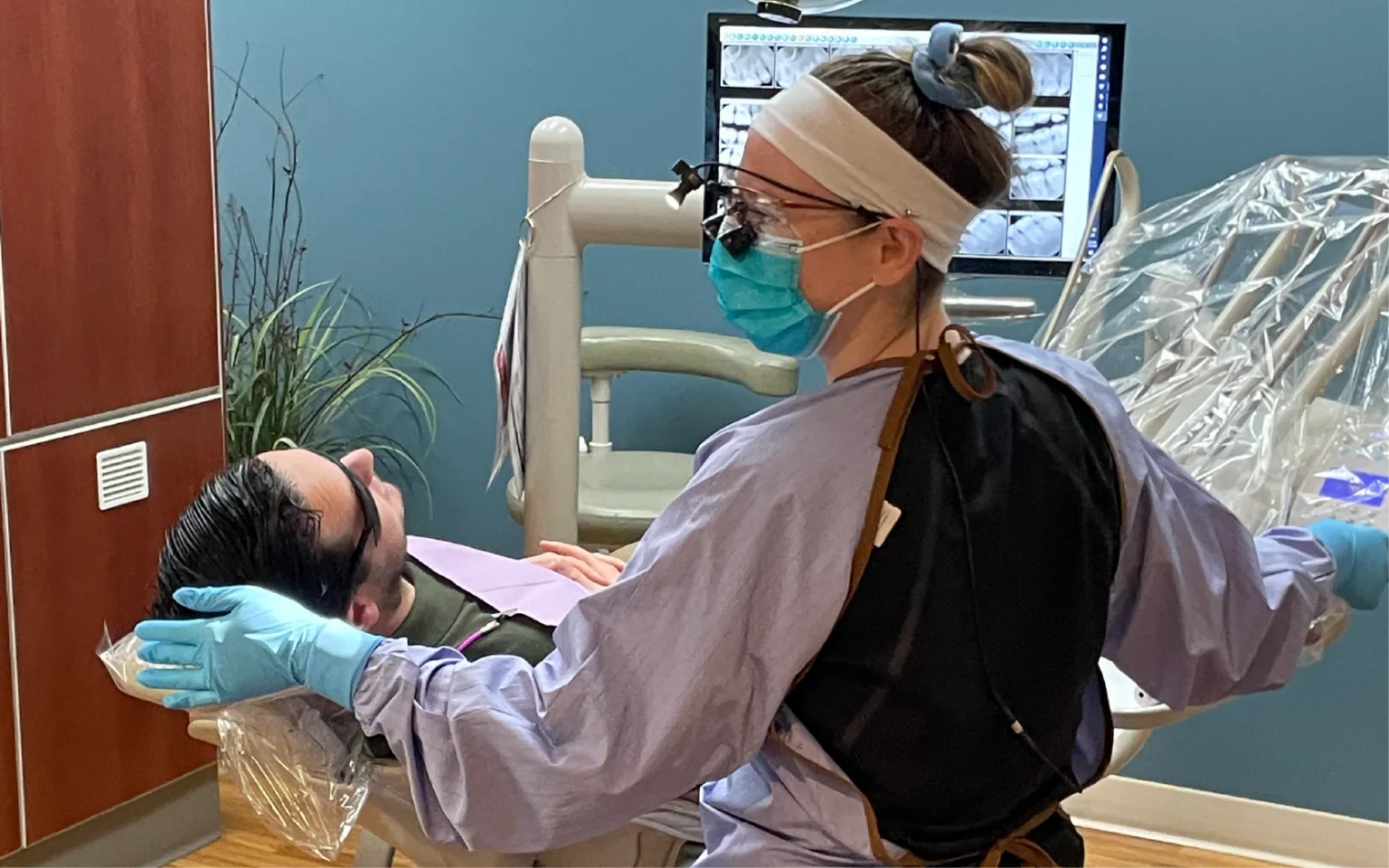

Many people assume brushing twice a day and flossing regularly are enough to keep cavities away. While those habits are the foundation of good oral health, they don't always remove everything that builds up on your teeth over time. Even people with excellent home care routines can develop cavities in places that are difficult to clean.
Professional teeth cleaning is one of the most effective preventive services in modern dentistry. It removes hardened deposits, identifies early signs of decay, and gives both patients and dental professionals the opportunity to stop problems before they become painful or expensive.
For families in Vancouver, WA, regular preventive dental visits are especially important. Seasonal allergies, dry mouth caused by medications, sugary beverages, busy lifestyles, and inconsistent dental routines can all increase cavity risk, even for adults who have never had major dental problems.
What Actually Causes Cavities?
A cavity doesn't appear overnight. Tooth decay develops gradually through a series of changes inside the mouth.
Here's what typically happens:
- Bacteria naturally live on every tooth surface.
- After eating carbohydrates or sugary foods, these bacteria produce acids.
- Those acids weaken tooth enamel by removing minerals.
- If plaque isn't removed effectively, the enamel continues to break down.
- Eventually, permanent holes form in the tooth.
The encouraging news is that this process often begins weeks or months before a visible cavity appears. That's why preventive dental care is so valuable.
Why Brushing Alone Isn't Always Enough
Many patients are surprised to learn that their brushing technique isn't reaching every part of the mouth.
Common areas that are frequently missed include:
- Between back teeth
- Deep grooves on molars
- Around existing fillings
- Along the gumline
- Behind lower front teeth
Over time, soft plaque hardens into tartar (calculus). Once tartar forms, it cannot be removed with a toothbrush or floss. Professional instruments are required to safely eliminate these deposits.
This is one reason patients sometimes develop cavities despite maintaining what they believe is a good brushing routine.
What Happens During Professional Teeth Cleaning?
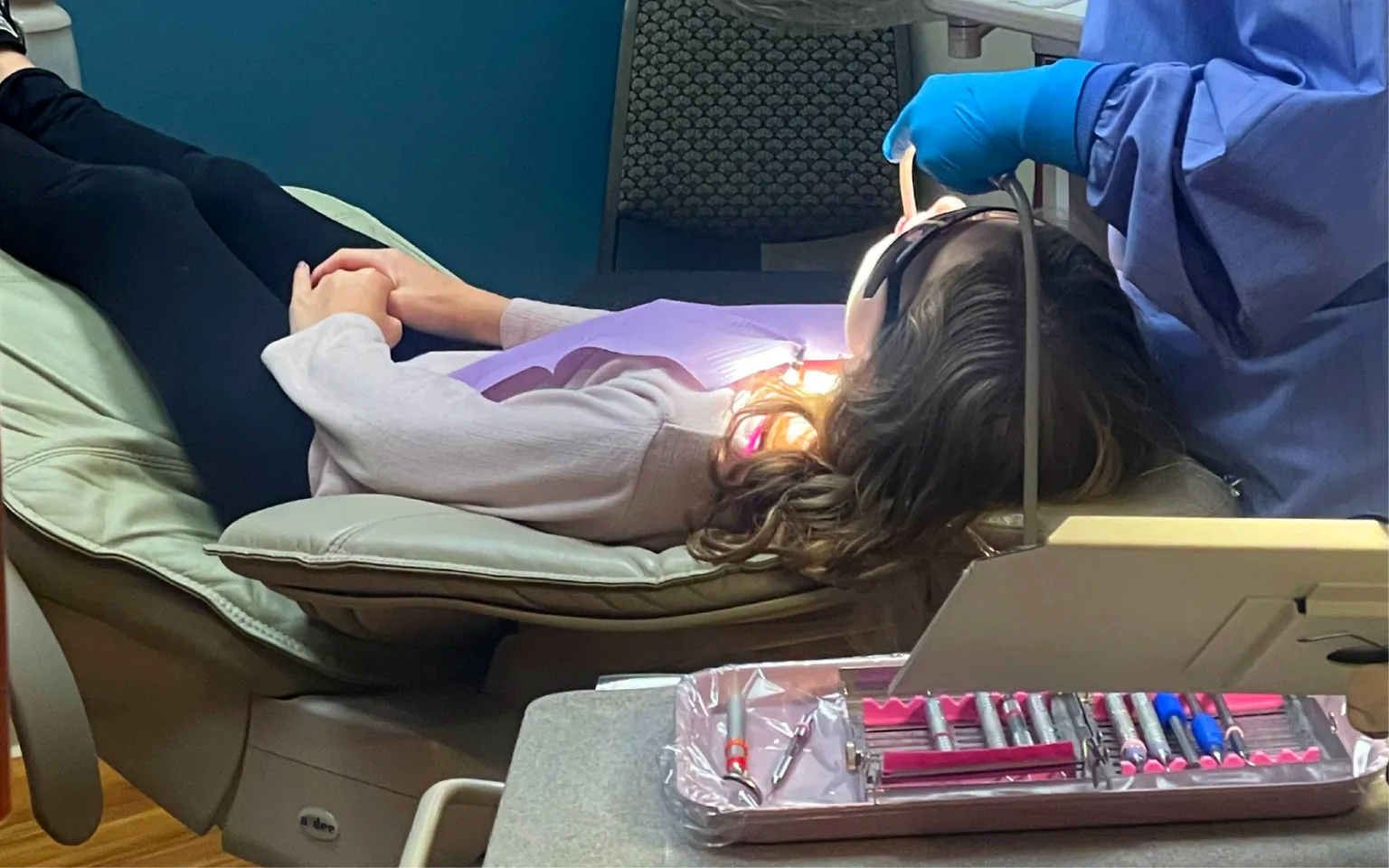
Professional dental cleaning is much more comprehensive than simply polishing teeth.
A preventive cleaning generally includes:
Comprehensive Oral Evaluation
Before cleaning begins, the dental team examines the teeth and gums for:
- Early enamel damage
- Small cavities
- Gum inflammation
- Worn restorations
- Plaque accumulation patterns
Identifying these issues early often prevents larger restorative procedures later.
Removal of Plaque and Tartar
Using specialized instruments, the hygienist carefully removes hardened tartar from above and below the gumline.
This step reduces bacterial buildup that contributes to:
- Tooth decay
- Gum disease
- Persistent bad breath
Tooth Polishing
After deposits are removed, the teeth are polished using a professional polishing paste.
Polishing helps:
- Remove minor surface stains
- Smooth enamel surfaces
- Make it more difficult for plaque to adhere immediately after cleaning
Professional Flossing
Even patients who floss regularly appreciate this step because it removes any remaining debris while checking for areas that bleed or trap food.
Preventive Recommendations
An experienced dental team also discusses:
- Areas you're consistently missing while brushing
- Home care improvements
- Dietary habits affecting enamel
- Fluoride recommendations
- Appropriate cleaning intervals
These personalized recommendations often make the biggest difference in preventing future cavities.
How Professional Cleanings Prevent Cavities
Professional cleanings help interrupt the cavity process before irreversible damage occurs.
Plaque Is Removed Before It Hardens Further
Fresh plaque can usually be removed at home.
Once it becomes tartar, bacteria remain attached to the tooth surface continuously. Removing these deposits reduces ongoing acid production.
Early Decay Can Be Identified
Many cavities begin without symptoms.
Patients often don't notice anything until:
- Cold sensitivity develops
- Food gets trapped
- Pain begins
- A filling becomes necessary
Routine dental cleanings allow dentists to detect weakened enamel while it can still be managed conservatively.
Fluoride Strengthens Enamel
Many preventive appointments include fluoride treatment for patients at increased cavity risk.
Fluoride helps:
- Rebuild weakened enamel
- Slow early decay
- Increase resistance to future acid attacks
Patients Receive Personalized Prevention
No two mouths develop cavities for the same reasons.
Some patients struggle with:
- Dry mouth
- Frequent snacking
- Acid reflux
- Orthodontic appliances
- Deep grooves in molars
Professional cleanings provide individualized guidance rather than generic oral hygiene advice.
Signs You May Be Overdue for a Professional Cleaning
Even if your teeth look healthy, certain symptoms suggest it's time to schedule a preventive visit.
Watch for:
- Bleeding while brushing
- Persistent bad breath
- Yellow or brown buildup near the gums
- Tooth sensitivity
- Rough areas on teeth
- Food frequently getting stuck
- More than six months since your last cleaning
Ignoring these signs allows bacteria to remain active much longer than necessary.
Local Factors That Can Affect Oral Health in Vancouver, WA
Residents throughout Vancouver, WA often experience environmental and lifestyle factors that can influence oral health.
Seasonal allergies are common throughout the region and frequently lead to mouth breathing. Mouth breathing reduces saliva, which naturally protects teeth from cavity-causing bacteria.
Many adults also take medications for allergies, blood pressure, or other health conditions that contribute to dry mouth. Reduced saliva allows acids to remain on teeth longer.
Busy family schedules, commuting between Vancouver and Portland, and frequent consumption of coffee or sports drinks can also increase cavity risk when combined with inconsistent preventive care.
Local dental professionals understand these regional challenges and often tailor preventive recommendations accordingly.
Can Children Benefit from Professional Teeth Cleaning?
Absolutely.
Children often develop cavities because:
- Their brushing technique is still developing.
- They enjoy sugary snacks and drinks.
- Molars have deep grooves that trap food.
- They may skip flossing.
Routine professional cleanings help remove buildup while teaching children healthy oral hygiene habits that last into adulthood.
Early preventive visits also reduce dental anxiety because children become comfortable with regular dental appointments before they ever need restorative treatment.
Adults Need Preventive Cleanings Too
Many adults assume that cavities become less common with age.
In reality, adults frequently develop decay around:
- Existing fillings
- Dental crowns
- Exposed tooth roots
- Areas affected by gum recession
Preventive cleanings become increasingly important as dental restorations age and oral health needs change.
Professional Cleaning Is Part of a Healthier Smile
Many people think of cleanings only as cavity prevention, but the benefits extend much further.
Routine preventive care supports:
- Fresher breath
- Healthier gums
- Reduced inflammation
- Better overall oral health
- A naturally brighter appearance
For patients considering Smile Enhancement in Vancouver, WA, maintaining healthy teeth and gums is the first step toward long-lasting cosmetic results. Whether you're interested in whitening, veneers, or other aesthetic treatments, a Smile Enhancement Specialist will typically recommend professional cleaning before beginning cosmetic procedures.
Healthy gums provide the foundation for an attractive smile, and a Smile Enhancement Dental Specialist in Vancouver WA can evaluate whether preventive care, cosmetic treatment, or a combination of both will help you achieve your goals while protecting your long-term oral health.
How Often Should Teeth Be Professionally Cleaned?
Most patients benefit from professional cleanings every six months.
However, your dentist may recommend more frequent visits if you have:
- A history of frequent cavities
- Gum disease
- Diabetes
- Dry mouth
- Orthodontic appliances
- Heavy tartar buildup
- Smoking or tobacco use
Cleaning schedules should always be personalized rather than based on a one-size-fits-all recommendation.
Final Thoughts
Professional teeth cleaning is one of the simplest and most effective ways to prevent cavities before they require fillings or more extensive treatment. By removing plaque and tartar, identifying early signs of decay, strengthening enamel, and providing personalized preventive guidance, routine cleanings help protect your oral health for years to come.
For individuals and families in Vancouver, WA, consistent preventive dental care not only reduces the likelihood of cavities but also supports healthier gums, fresher breath, and a stronger foundation for future Smile Enhancement treatments. Making preventive visits a regular part of your healthcare routine is an investment in both your oral health and your overall well-being.



























Sign in to leave a comment.