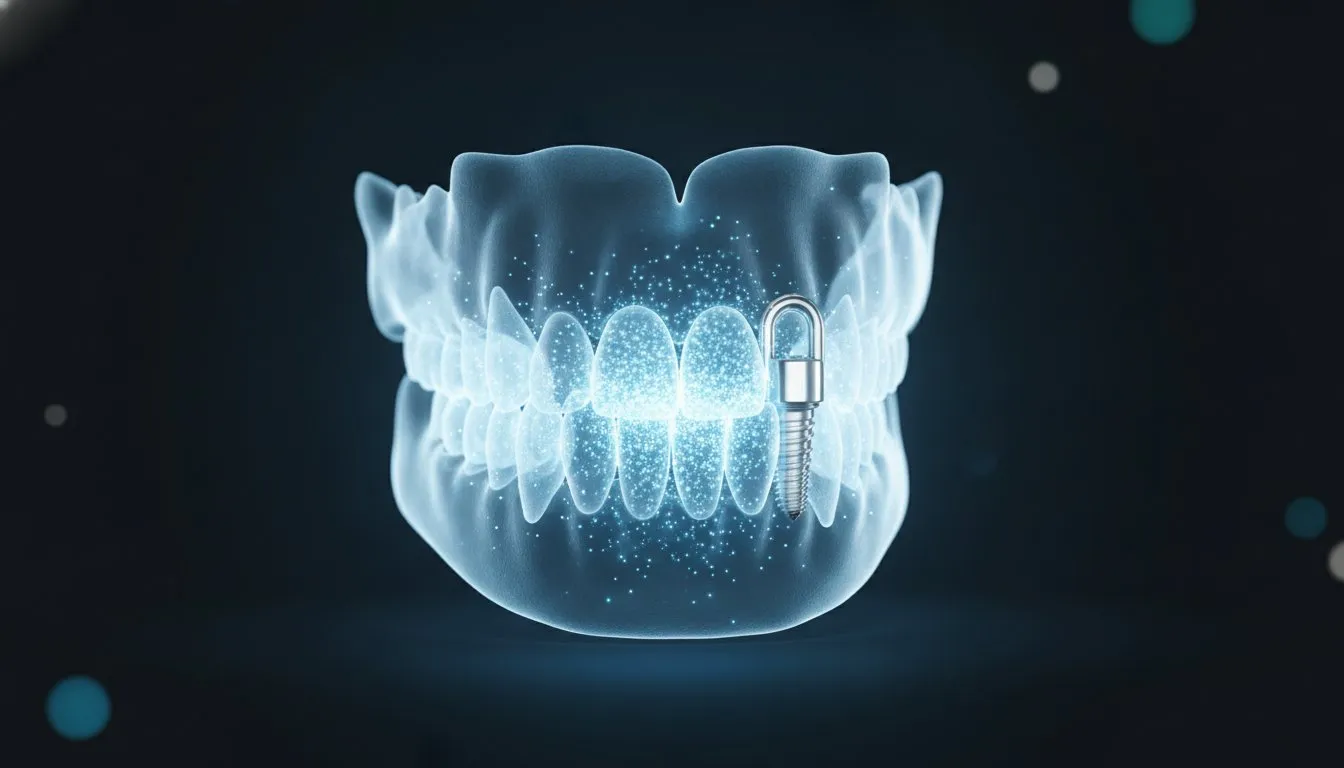

Learning that you need a root canal often raises an important question: Should your general dentist perform the procedure, or should you see an endodontist?
The answer depends on several factors, including the condition of your tooth, the complexity of the infection, and the provider's experience with root canal therapy. Both professionals are qualified dentists, but they have different levels of training and focus.
Understanding these differences can help you make an informed decision, improve the chances of saving your natural tooth, and reduce the risk of future complications.
Understanding Root Canal Treatment
A root canal is a procedure used to remove infected or inflamed pulp from inside a tooth. The pulp contains nerves, blood vessels, and connective tissue that help a tooth develop. Once a tooth is fully mature, it can continue to function without the pulp because it receives nourishment from surrounding tissues.
When bacteria enter the pulp through deep decay, cracks, repeated dental procedures, or trauma, the tissue becomes infected. Left untreated, the infection can spread beyond the tooth, leading to persistent pain, swelling, bone loss, and even tooth loss.
During a root canal, the infected tissue is removed, the inside of the canals is carefully cleaned and disinfected, and the space is sealed to prevent bacteria from returning. In many cases, a dental crown is placed afterward to strengthen and protect the tooth.
The Role of a General Dentist
A general dentist provides comprehensive oral healthcare, including preventive care, restorative dentistry, and the diagnosis and treatment of many common dental conditions.
Many general dentists routinely perform root canals, particularly when the case is relatively straightforward. Teeth with simple anatomy, minimal infection, and no previous root canal treatment can often be treated successfully in a general dental office.
For patients, this approach offers convenience because diagnosis, treatment, and follow-up care can often be completed in the same practice.
Experienced general dentists also understand when a case requires additional expertise and will recommend referral to a specialist if needed.
What Makes an Endodontist Different?
An endodontist is a dentist who completes additional years of advanced education focused entirely on diagnosing tooth pain and treating diseases affecting the inside of the tooth.
Because root canal therapy is the primary focus of their practice, endodontists perform these procedures daily and gain extensive experience managing both routine and highly complex cases.
Their advanced training includes treating difficult root canal anatomy, teeth with multiple canals, dental trauma, persistent infections, retreatment of failed root canals, and surgical endodontic procedures.
Many endodontic practices also use specialized equipment such as dental operating microscopes and three-dimensional imaging to improve diagnosis and treatment accuracy.
When a General Dentist Is the Right Choice
Not every root canal requires a specialist. Many patients receive successful treatment from their general dentist without needing a referral.
A general dentist is often an excellent choice when the infection is detected early, the tooth has uncomplicated root anatomy, and no previous root canal treatment has been performed.
Front teeth and many premolars generally have fewer canals, making treatment less complex than larger back teeth.
If your dentist regularly performs root canals and feels confident managing your case, there may be no reason to seek specialist care.
When Seeing an Endodontist May Be Beneficial
Some situations require advanced expertise because they present additional technical challenges.
Molars often contain multiple canals with complex shapes that are more difficult to locate and clean completely. Teeth that have unusually curved, narrow, or calcified canals can also make treatment significantly more complicated.
Patients experiencing severe or unexplained tooth pain may benefit from an endodontist's specialized diagnostic training, especially when it is difficult to determine which tooth is causing the problem.
Referral is also common when a previous root canal has failed, a tooth has suffered traumatic injury, or infection has spread beyond the root into the surrounding bone.
These situations require careful evaluation and precise treatment to maximize the likelihood of saving the tooth.
Why Experience Matters
Successful root canal treatment depends on much more than removing infected tissue.
The provider must locate every canal, thoroughly disinfect the root system, seal the tooth properly, and ensure the final restoration protects the tooth from future damage.
Even small variations in root anatomy can affect treatment success.
Dentists who regularly perform root canals develop valuable clinical experience that helps them recognize challenges before they become complications.
The most important factor is not whether the provider is a general dentist or an endodontist, but whether they have the appropriate skills and experience for your specific case.
The Importance of Advanced Technology
Modern dental technology has greatly improved root canal treatment.
Digital X-rays allow dentists to evaluate tooth structure with greater accuracy, while cone beam CT scans provide detailed three-dimensional images that reveal hidden canals, fractures, and areas of infection.
Dental operating microscopes improve visibility inside the tooth, helping providers identify canals that may otherwise be difficult to locate.
Rotary instruments and electronic measuring devices also increase precision, improve cleaning, and reduce treatment time.
Many general dental practices invest in these technologies, while endodontic specialists often use them as part of their standard workflow.
Working Together for the Best Outcome
One of the strengths of modern dentistry is the collaboration between general dentists and specialists.
A general dentist may diagnose the problem, determine that specialist treatment would provide the best outcome, and then coordinate care with an endodontist. Once the root canal is complete, the patient typically returns to the general dentist for a permanent crown and ongoing preventive care.
This team-based approach ensures patients receive the appropriate level of care while maintaining continuity throughout treatment.
Questions Worth Asking Before Treatment
Before scheduling your procedure, it's helpful to have an open conversation with your dental provider.
Ask whether your case is considered routine or complex, whether referral would improve the outcome, what technology will be used during treatment, and whether a crown will be recommended afterward.
Understanding the reasoning behind your treatment plan allows you to make confident decisions about your oral health.
Local Factors Can Influence Treatment Needs
Communities with growing populations often see a wide variety of dental conditions, from untreated decay to sports-related dental injuries and cracked teeth caused by everyday wear.
In areas where people lead active lifestyles or delay routine dental visits because of busy schedules, infections may become more advanced before treatment begins. In these cases, careful diagnosis and timely intervention become especially important.
Whether you receive care from a trusted general dentist or an experienced endodontist, seeking treatment early often leads to simpler procedures, faster recovery, and better long-term outcomes.
Protecting Your Tooth After a Root Canal
Completing the root canal is only part of preserving your natural tooth.
Following your dentist's recommendations after treatment is equally important. If a crown is advised, having it placed promptly helps protect the tooth from fractures and reinfection.
Maintaining good oral hygiene, attending regular dental checkups, and addressing new symptoms quickly can significantly improve the lifespan of a treated tooth.
Most root canal-treated teeth can continue functioning for many years when they receive proper care.
Final Thoughts
Choosing between a general dentist and an endodontist is not about determining which provider is better. It is about selecting the professional whose training and experience best match the complexity of your individual case.
Many routine root canals are successfully completed by experienced general dentists, while more challenging situations often benefit from the advanced expertise of an endodontist. The right decision is one that prioritizes accurate diagnosis, effective treatment, and the long-term health of your natural tooth.
By discussing your options with your dental provider and seeking timely care, you can make a confident decision that supports lasting oral health and helps you keep your natural smile for years to come.



























Sign in to leave a comment.