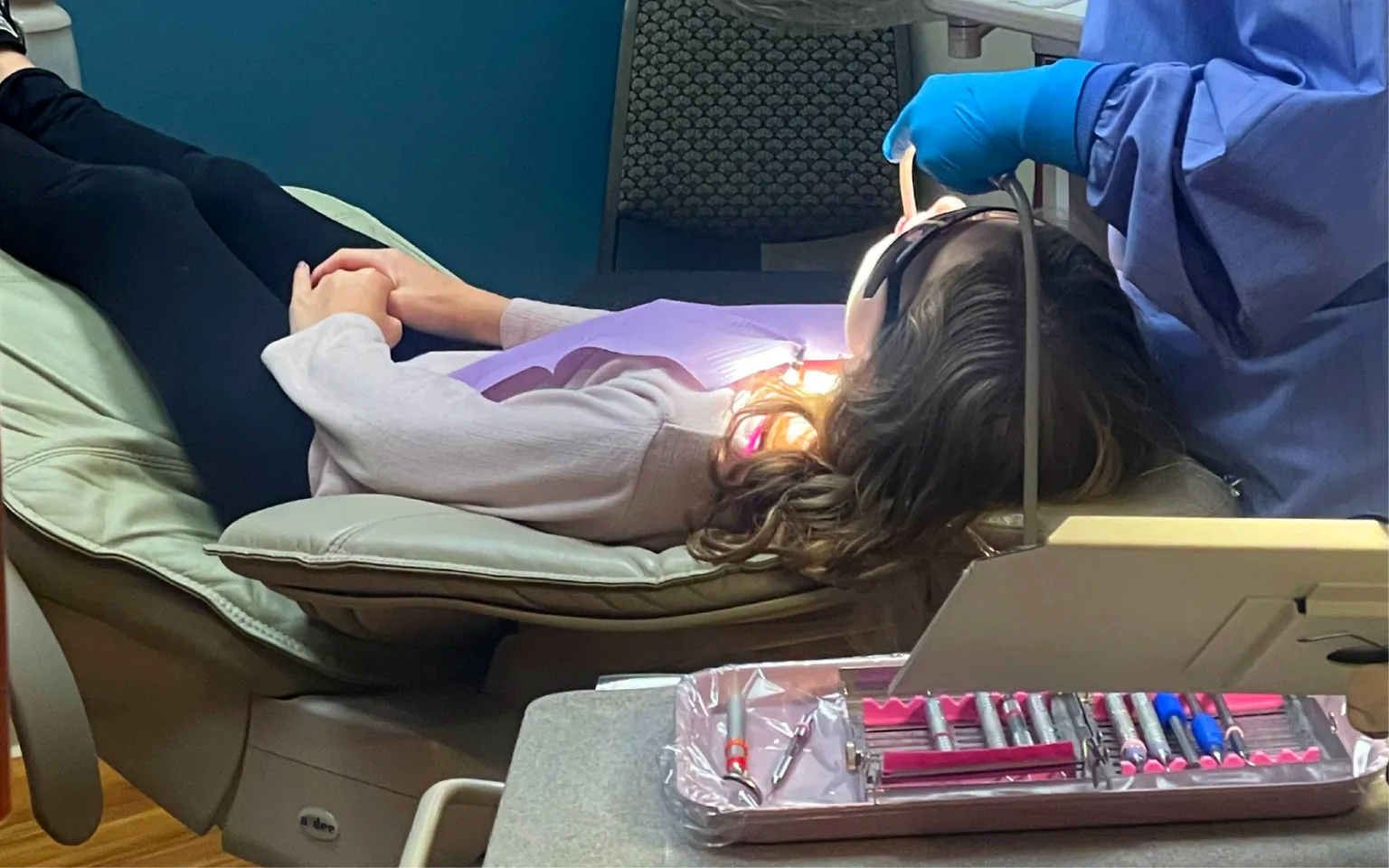

Many parents assume their child doesn't need a dental visit until all of their baby teeth have come in. In reality, the best time to schedule a child's first dental appointment is much earlier than most families expect. Early dental care isn't just about checking teeth. It's about helping children develop healthy habits, identifying concerns before they become painful, and giving parents the confidence to care for their child's growing smile.
If you're wondering when to schedule that first visit, the answer is simple: earlier than you might think.
The Recommended Age for a Child's First Dental Visit
The American Academy of Pediatric Dentistry recommends that children see a dentist by their first birthday or within six months after their first tooth erupts, whichever comes first.
While this may seem early, a baby's mouth begins developing long before all of the teeth appear. Those first appointments focus less on treatment and more on prevention, education, and monitoring healthy oral development.
Many dental specialists find that children who begin routine dental visits at an early age are generally more comfortable during future appointments because the dental office becomes a familiar, positive environment instead of a place associated with pain or emergencies.
Why Early Dental Visits Matter
Baby teeth play a much larger role than many parents realize. They help children:
- Learn to speak clearly
- Chew food properly
- Maintain space for permanent teeth
- Support healthy jaw development
- Build lifelong oral hygiene habits
Even though baby teeth eventually fall out, untreated cavities can cause infection, pain, difficulty eating, and problems with the alignment of permanent teeth.
An early examination allows a dental specialist to identify potential concerns before they require more extensive treatment.
What Happens During the First Appointment?
Parents are often surprised by how gentle and educational a baby's first dental visit is.
During the appointment, the dentist typically:
- Examines the gums and emerging teeth
- Evaluates jaw and bite development
- Checks for signs of early tooth decay
- Discusses teething concerns
- Reviews feeding habits
- Demonstrates proper brushing techniques
- Talks about fluoride recommendations
- Answers parents' questions
Rather than focusing on treatment, the goal is to establish a preventive care plan tailored to the child's age and development.
Signs Your Child Should See a Dentist Sooner
Although the first visit should occur by age one, some situations require earlier evaluation.
Schedule an appointment if you notice:
- White or brown spots on teeth
- Swollen or bleeding gums
- Delayed tooth eruption
- Mouth injuries
- Persistent thumb sucking
- Difficulty eating
- Tooth discoloration
- Bad breath that doesn't improve
Prompt evaluation helps prevent small issues from becoming larger dental problems.
Common Mistakes Parents Make
One of the most common misconceptions is waiting until a child complains of pain.
By the time tooth pain develops, decay has often progressed significantly.
Other common mistakes include:
- Putting babies to bed with bottles containing milk or juice
- Allowing frequent sugary snacks throughout the day
- Skipping brushing because "they're only baby teeth"
- Delaying regular checkups until school age
Preventive care almost always costs less, causes less discomfort, and leads to better long-term oral health than waiting until treatment becomes necessary.
How Parents Can Prepare Their Child
A child's attitude toward dentistry often reflects how parents introduce the experience.
Helpful preparation includes:
- Speaking positively about dental visits
- Reading children's books about visiting the dentist
- Avoiding words like "hurt," "needle," or "pain"
- Scheduling appointments when the child is well-rested
- Keeping expectations relaxed and encouraging
Dental professionals who regularly treat young children understand how to make visits engaging, comfortable, and age-appropriate.
Oral Care Tips Before Age Two
Even before all baby teeth appear, parents can support healthy oral development.
Daily habits include:
- Cleaning gums with a soft, damp cloth after feedings
- Brushing new teeth twice daily using a soft infant toothbrush
- Using only a tiny smear of fluoride toothpaste, as recommended
- Avoiding sugary drinks in bottles
- Encouraging water between meals after teeth erupt
Consistent routines established during infancy often continue naturally into childhood.
What About Older Children Who Have Never Been?
If your child is already two, three, or older and has never visited a dentist, don't worry. It's never too late to begin.
The most important step is scheduling a comprehensive examination as soon as possible. The dentist can assess current oral health, identify any existing issues, and develop an appropriate preventive care schedule moving forward.
Many children who begin routine visits later quickly become comfortable when appointments are positive and pressure-free.
Choosing the Right Dental Specialist
Not every dental office is designed with young children in mind.
When selecting a dental specialist in Vancouver WA, parents should look for:
- Experience treating infants and young children
- A welcoming, child-friendly environment
- Preventive care philosophy
- Clear communication with parents
- Gentle behavior guidance techniques
- Flexible scheduling for families
Families seeking a trusted dental specialist in Vancouver WA often benefit from choosing a practice that emphasizes education, preventive care, and individualized treatment rather than simply addressing dental problems after they occur.
Frequently Asked Questions
At what age should my child first see a dentist?
Children should have their first dental visit by age one or within six months after their first tooth erupts.
Are baby teeth really that important?
Yes. Baby teeth help children eat, speak, maintain space for permanent teeth, and support healthy facial development.
How often should children visit the dentist?
Most children benefit from dental checkups every six months, although a dental specialist may recommend a different schedule based on individual needs.
Is thumb sucking harmful?
Occasional thumb sucking during infancy is normal. However, prolonged thumb sucking beyond early childhood may affect tooth alignment and jaw development.
What if my child is afraid of the dentist?
Early visits focused on prevention rather than treatment often reduce dental anxiety. A child-friendly dental team can also help create positive experiences that build confidence over time.
Final Thoughts
The healthiest smiles often begin with early prevention rather than later treatment. Scheduling a child's first dental visit around their first birthday allows parents to receive expert guidance, monitor healthy development, and address concerns before they become more complex.
Whether you're welcoming your first baby or raising a growing family, partnering with an experienced dental specialist can help establish lifelong oral health habits. For families searching for a trusted dental specialist in Vancouver WA, beginning preventive dental care early is one of the most valuable investments you can make in your child's long-term health and confidence.



























Sign in to leave a comment.