
Sand casting is one of the oldest and most widely used metal casting processes in the manufacturing industry. Known for its flexibility, cost-effectiveness, and ability to produce complex shapes, sand casting remains a preferred choice for industries ranging from automotive and construction to agriculture and heavy machinery. Despite advancements in modern manufacturing technologies, sand casting continues to evolve, offering improved precision, efficiency, and scalability.
What is Sand Casting?
Sand casting is a metal casting process that involves pouring molten metal into a mold made from specially prepared sand. Once the metal solidifies, the mold is broken away to reveal the finished casting. This process allows manufacturers to create intricate designs and components that may be difficult or expensive to produce using other methods.
The sand used in this process is typically a mixture of silica sand, clay, and water, which provides the necessary strength and flexibility to hold the mold shape. Patterns, usually made from wood, plastic, or metal, are used to create the cavity into which molten metal is poured.
Key Advantages of Sand Casting
One of the biggest advantages of sand casting is its versatility. It can be used to produce parts in a wide range of sizes, from small components to large industrial parts weighing several tons. This makes it ideal for industries that require customized or heavy-duty components.
Another major benefit is cost efficiency. Compared to other casting methods, sand casting requires relatively low tooling costs, making it suitable for both small production runs and large-scale manufacturing. The materials used in the process are also readily available and recyclable, contributing to reduced production costs.
Sand casting is also highly adaptable when it comes to materials. It can be used with a variety of metals, including iron, steel, aluminum, brass, and bronze. This flexibility allows manufacturers to choose the most suitable material based on the application and performance requirements.
Applications Across Industries
Sand casting plays a crucial role in multiple industries. In the automotive sector, it is used to manufacture engine blocks, cylinder heads, and transmission components. The construction industry relies on sand casting for producing heavy equipment parts and structural components.
In agriculture, sand casting is used to create durable machinery parts that can withstand harsh operating conditions. Similarly, the energy sector uses this process to produce components for turbines, pumps, and other critical equipment.
The ability to produce complex geometries also makes sand casting suitable for custom engineering solutions. Whether it is a prototype or a specialized component, sand casting offers the flexibility needed to meet unique design requirements.
The Sand Casting Process
The sand casting process involves several key steps. It begins with pattern making, where a replica of the final product is created. This pattern is used to form the mold cavity in the sand.
Next, the mold is prepared by packing sand around the pattern. Once the pattern is removed, a cavity is left behind in the shape of the desired part. Molten metal is then poured into this cavity through a gating system.
After the metal cools and solidifies, the sand mold is broken away to retrieve the casting. The casting may then undergo additional processes such as cleaning, machining, and finishing to achieve the desired specifications.
Quality and Precision in Modern Sand Casting
While sand casting is a traditional process, modern advancements have significantly improved its accuracy and quality. Technologies such as computer-aided design (CAD), simulation software, and automated molding systems help manufacturers achieve better precision and consistency.
Quality control is a critical aspect of sand casting. Manufacturers implement strict inspection procedures to ensure that each casting meets industry standards and customer requirements. This includes checking for defects, dimensional accuracy, and material properties.
Environmental Considerations
Sustainability is becoming increasingly important in manufacturing, and sand casting offers several environmental benefits. The sand used in the process can often be reused multiple times, reducing waste. Additionally, many foundries are adopting eco-friendly practices such as energy-efficient furnaces and recycling systems to minimize their environmental impact.
Choosing the Right Sand Casting Partner
Selecting the right sand casting company is essential for ensuring product quality and reliability. A good manufacturer should have experience in handling different materials, the ability to meet tight tolerances, and a strong focus on quality assurance.
It is also important to consider the company’s production capacity, technological capabilities, and commitment to customer satisfaction. Working with an experienced partner can help streamline the manufacturing process and ensure the timely delivery of high-quality components.
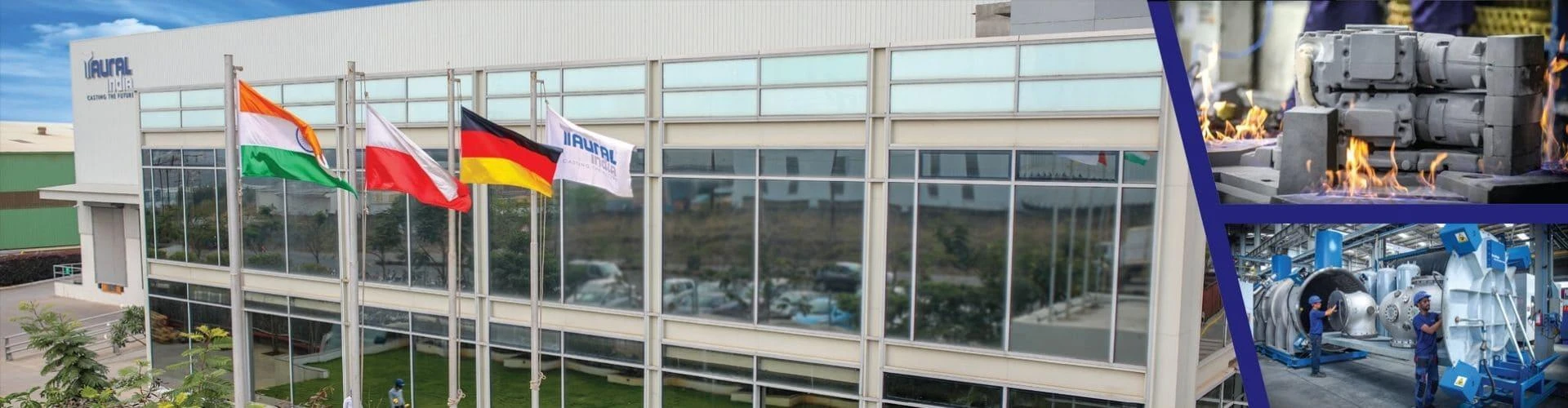
Companies like Taural India have established themselves as reliable providers in the sand casting industry, offering advanced manufacturing capabilities and a strong focus on quality and innovation.
Future of Sand Casting
The future of sand casting looks promising, with continuous improvements in technology and process optimization. Automation, digital modeling, and data-driven manufacturing are expected to further enhance efficiency and reduce production time.
As industries demand more complex and high-performance components, sand casting will continue to adapt and evolve. Its ability to combine traditional techniques with modern technology ensures that it remains a vital part of the manufacturing landscape.
Conclusion
Sand casting remains a cornerstone of modern manufacturing due to its versatility, cost-effectiveness, and adaptability. From small custom parts to large industrial components, it offers a reliable solution for a wide range of applications.
With ongoing advancements in technology and a growing focus on sustainability, sand casting is well-positioned to meet the evolving needs of industries worldwide. By partnering with the right manufacturer, businesses can leverage the full potential of this time-tested process to achieve high-quality and efficient production outcomes.




















Sign in to leave a comment.