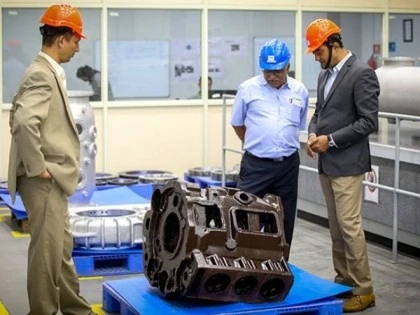

Aluminium casting is a fundamental manufacturing process used to create precise and durable metal components by shaping molten aluminium in a mold. Whether you're producing engine parts, aerospace components, or everyday household items, aluminium casting plays a crucial role in modern industry due to the metal’s light weight, strength, corrosion resistance, and excellent thermal properties.
In this blog post, we’ll explore the aluminium casting process in detail — from the different casting methods available to their applications, advantages, and how to choose the right process for your needs.
What Is Aluminium Casting?
Aluminium casting is the process of pouring molten aluminium into a mold to form a specific shape. Once the metal solidifies, it is removed from the mold and further finished or machined to meet precise specifications.
Casting allows for the creation of complex parts that would be difficult or uneconomical to produce through machining or welding. It is especially useful for making components with internal cavities, intricate surfaces, or custom geometries.
Types of Aluminium Casting Processes
There are several aluminium casting processes, each suited to different types of parts, production volumes, and tolerances. Here's an overview of the most common methods:
1. Sand Casting
Sand casting is the most traditional and widely used aluminium casting method. A sand mold is formed around a pattern, and molten aluminium is poured into the cavity. After the metal cools, the sand mold is broken away to retrieve the part.
Best for:
- Low to medium production volumes
- Large or heavy parts
- Complex geometries with internal cavities
Pros:
- Low tooling cost
- Great design flexibility
- Suitable for large castings
2. Die Casting
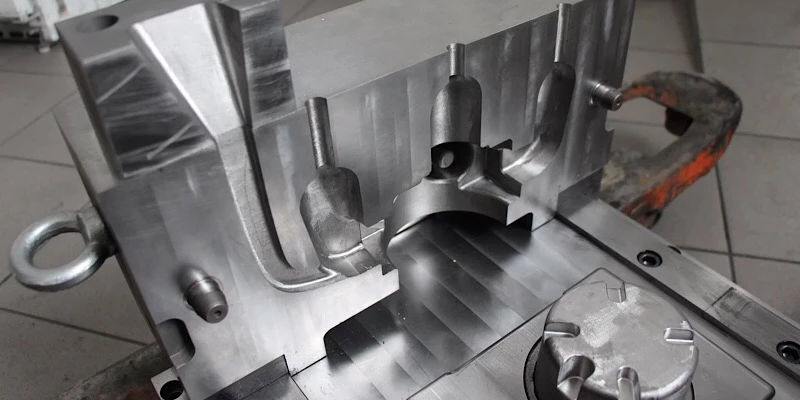
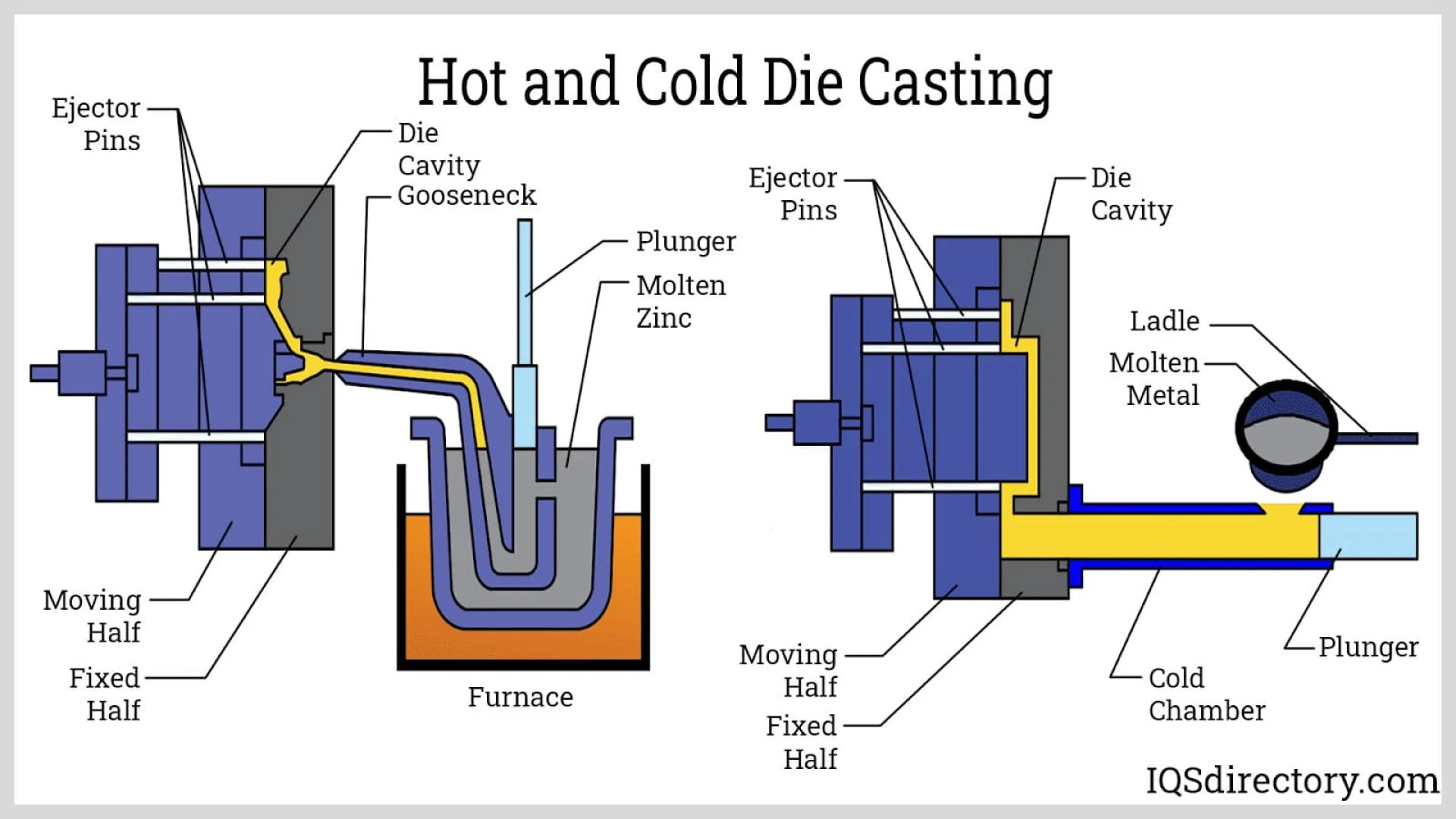
Die casting involves injecting molten aluminium into a steel mold (called a die) under high pressure. This process is ideal for high-volume production of small to medium-sized parts with excellent dimensional accuracy.
Best for:
- High-volume production
- Small, detailed parts
- Tight tolerances and smooth surfaces
Pros:
- High speed and efficiency
- Excellent surface finish
- Minimal machining required
3. Permanent Mold Casting (Gravity Die Casting)
This method uses reusable metal molds, but unlike die casting, the aluminium is poured in without pressure. It’s a middle ground between sand casting and die casting.
Best for:
- Medium-volume production
- Parts requiring better mechanical properties than sand casting
Pros:
- Better surface finish than sand casting
- Stronger castings due to slower cooling
4. Investment Casting (Lost Wax Casting)
This process creates detailed parts by using wax patterns coated in ceramic. The wax is melted out, leaving a cavity for molten aluminium.
Best for:
- Intricate and precise parts
- Small batch production
Pros:
- Exceptional detail and precision
- Ideal for complex shapes
Benefits of Aluminium Casting
Aluminium casting is popular for a variety of reasons:
- Lightweight strength: Aluminium provides excellent strength-to-weight ratio, making it ideal for aerospace, automotive, and transport industries.
- Corrosion resistance: It naturally forms an oxide layer, protecting against rust and wear.
- Versatility: The casting process allows for a wide range of shapes and sizes.
- Thermal conductivity: Aluminium conducts heat well, useful for engine components and electronics.
- Recyclability: Aluminium is 100% recyclable without loss of properties, making casting an eco-friendly option.
Applications of Aluminium Casting
Aluminium castings are found in nearly every major industry:
- Automotive: Engine blocks, wheels, housings, brackets
- Aerospace: Airframe components, housings, support structures
- Electronics: Heat sinks, enclosures, connectors
- Consumer products: Cookware, furniture, tools
- Industrial equipment: Pumps, compressors, motor housings
Choosing the Right Aluminium Casting Process
Selecting the right casting method depends on several factors:
- Production volume: Die casting is cost-effective at high volumes, while sand or investment casting is better for low volumes.
- Part complexity: Intricate designs may require investment casting or sand casting with cores.
- Tolerance and finish requirements: Die casting offers the best surface finish and dimensional accuracy.
- Budget and lead time: Sand casting is generally the most economical for prototyping or short runs.
Conclusion
The aluminium casting process is a vital tool in the engineer’s manufacturing toolkit. With several casting methods to choose from, manufacturers can produce strong, lightweight, and highly detailed parts to meet a wide range of functional and aesthetic needs.
Whether you're building an aircraft, designing a car part, or developing a custom industrial component, aluminium casting offers flexibility, efficiency, and performance.



























Sign in to leave a comment.