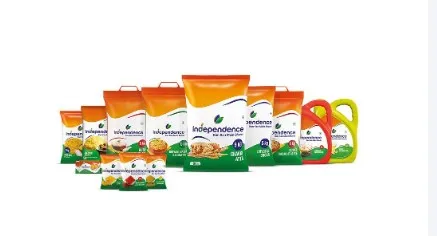

The Indian Fmcg business sector stands as one of the largest and most resilient pillars of the national economy. Encompassing daily necessities like packaged food, edible oils, pulses, personal care, and household cleaning supplies, this sector thrives regardless of broader economic volatility. As household disposable incomes rise and consumer preferences shift toward packaged, hygienic goods, the demand for organized supply chains across tier-1, tier-2, and rural markets is reaching historic highs.
Understanding Market Drivers in the Essential Goods Sector
Several macro-economic shifts are reshaping how consumer packaged goods move from production plants to household pantries:
- Rise of Quality-Conscious Consumers: Families are moving away from unbranded, loose commodities in favor of trusted, packaged alternatives.
- Digitalization of Kirana Stores: Neighborhood grocery stores are using digital platforms to order inventory directly, demanding faster and more reliable distribution schedules.
- Supply Chain Consolidation: Mega-retailers and large corporate houses are building unified supply networks to streamline product movement across the country.
Comparative Overview: Traditional vs. Modern Distribution Models
Understanding how modern distribution networks outpace traditional systems highlights the distinct advantage available to regional distribution partners today:
| Operational Metric | Traditional Multi-Tier System | Modern Integrated FMCG Network |
| Middlemen Layers | 4 to 6 intermediary agents | Direct link between factory/hub and dealer |
| Profit Margins | Diluted across multiple layers | Optimized directly for local dealership partners |
| Order Fulfillment Time | 3 to 7 business days | 24 to 48 hours via digital order processing |
| Technology Usage | Manual registers and phone orders | App-based inventory, billing, and order tracking |
Building a Sustainable Territory Distribution Footprint
Operating a successful regional supply hub in the essential goods market requires a disciplined execution strategy:
- Storage and Warehouse Hygiene: Maintaining clean, climate-appropriate warehousing space to ensure food products remain fresh and comply with safety regulations.
- Product Portfolio Diversification: Stocking a wide balance of high-velocity staples (like flour, grains, and sugar) along with higher-margin impulse items (like packaged snacks and beverages).
- Relationship Management: Building personal trust with local store owners through transparent pricing, fair return policies, and punctual fulfillment.
Conclusion
The continuous, everyday demand for household essentials makes the consumer goods supply network one of the safest Fmcg business and most profitable sectors for regional business expansion. By aligning with a fast-growing, technology-backed supply network, local entrepreneurs can secure exclusive territory rights, streamline their warehouse operations, and capture long-term market share. Tapping into this essential supply chain offers a clear, structured blueprint for achieving sustained commercial success.
visit for more info :- https://independencefmcgfranchisesbusiness.com/

























Sign in to leave a comment.