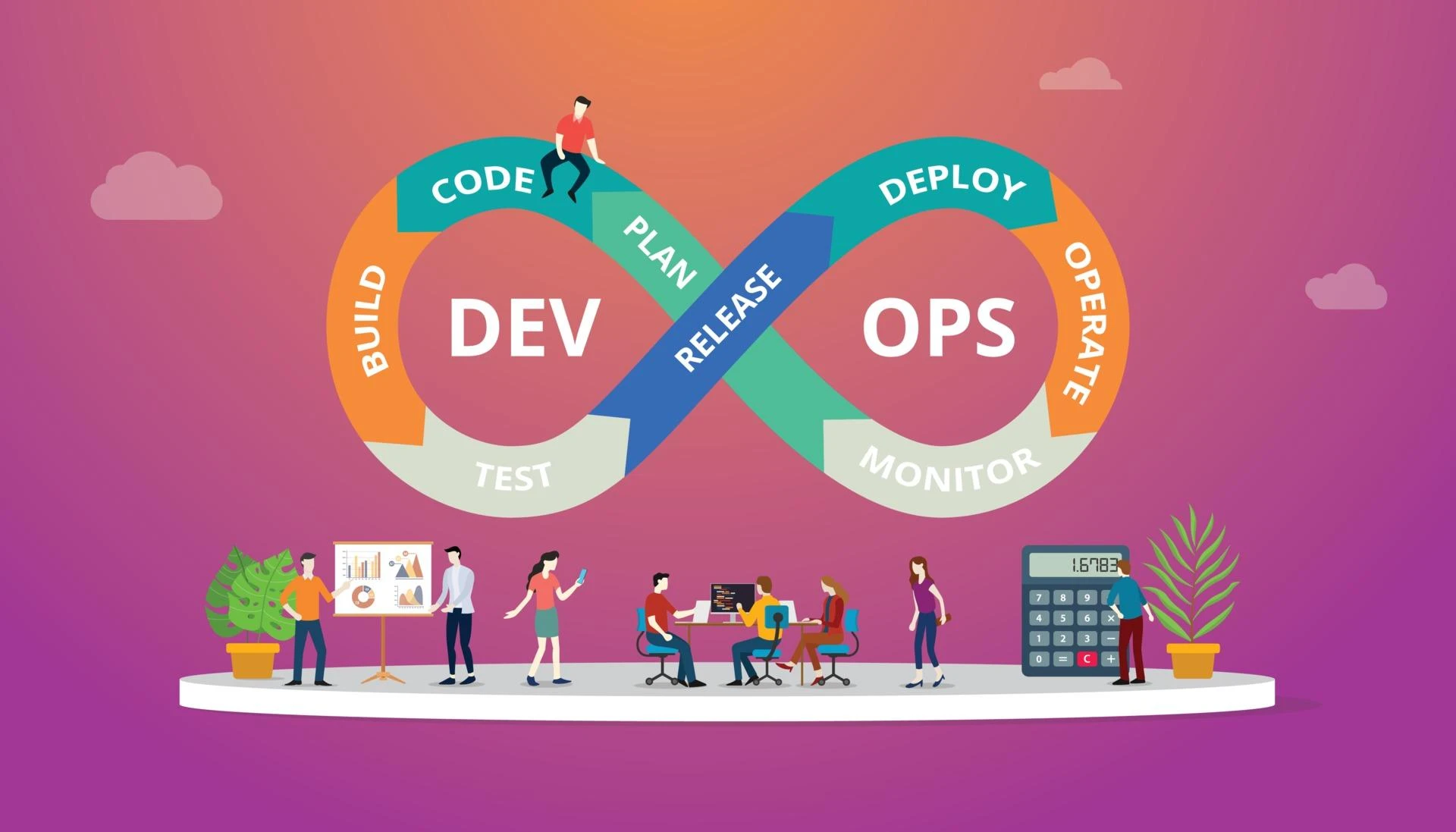

In today’s fast-paced digital landscape, DevOps automation has emerged as a critical enabler for enterprises striving for scalability, agility, and operational efficiency. For large-scale organizations, the challenges of managing vast teams, complex infrastructures, and consistent deployment cycles make traditional IT management methods insufficient. DevOps bridges the gap by fostering collaboration, automating workflows, and building a culture of continuous improvement.
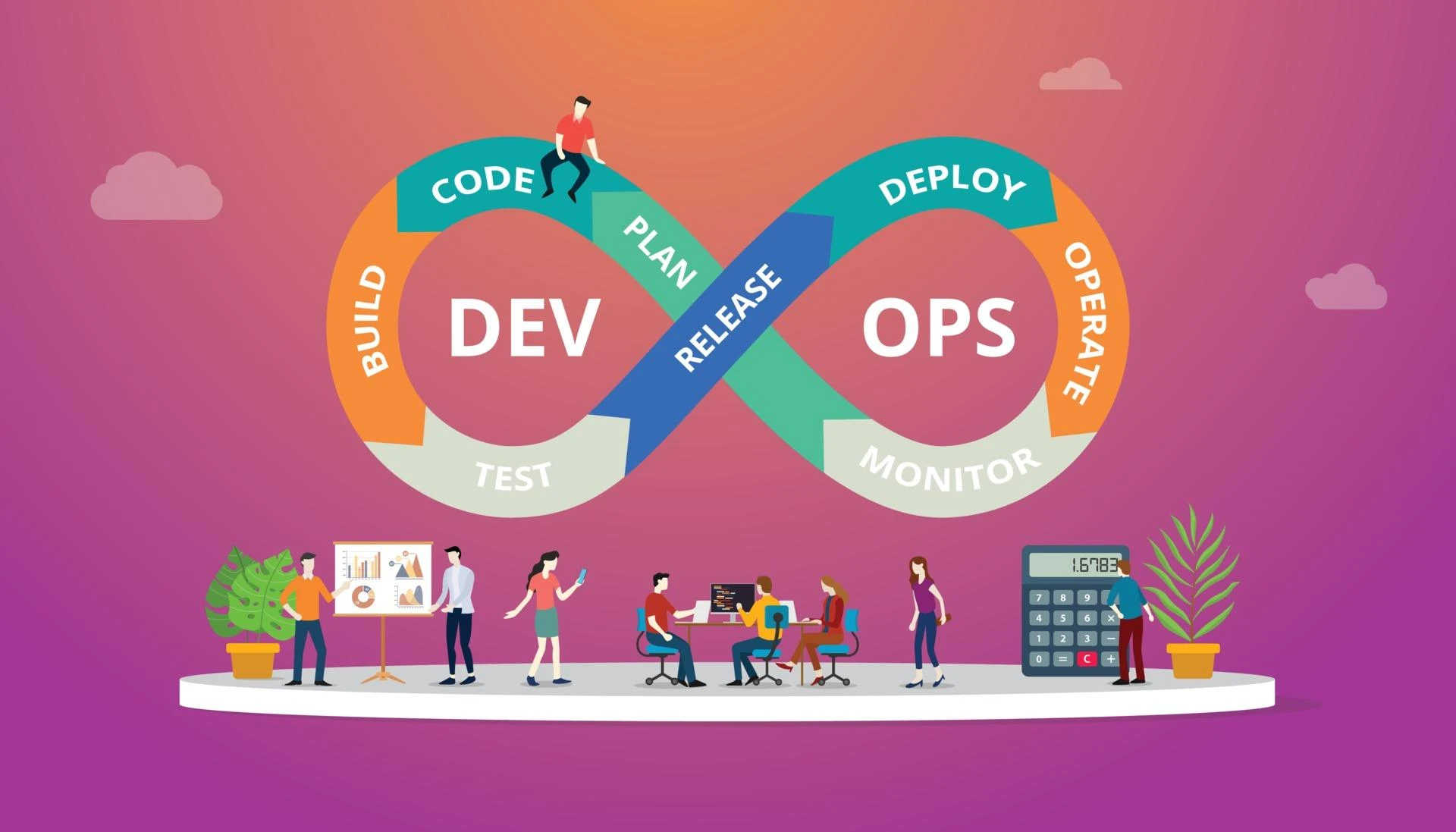
The Need for DevOps in Large Enterprises
As enterprises scale, they encounter unique challenges, including:
- Siloed Teams: Lack of communication and collaboration between development and operations teams leads to inefficiencies.
- Complex Infrastructures: Managing multiple applications and environments becomes cumbersome without automation.
- Inconsistent Deployment Cycles: Delays in deployment hinder the ability to adapt quickly to market demands.
DevOps addresses these pain points by streamlining operations, improving communication, and automating repetitive processes.
Key Strategies for Scaling DevOps in Large Enterprises
1. Adopt a Collaborative Culture
DevOps begins with a shift in mindset. Breaking down organizational silos and fostering a culture of collaboration are vital steps for large enterprises.
- Key Actions:
- Set shared goals and metrics for development, operations, and business teams.
- Use communication tools like Slack or Microsoft Teams to promote transparency.
- Establish a DevOps Center of Excellence to standardize practices and champion adoption.
2. Leverage Infrastructure as Code (IaC)
IaC is essential for managing the complexity of large-scale infrastructures. By codifying configurations, organizations can automate resource provisioning and ensure consistency.
- Benefits:
- Eliminate manual configuration errors.
- Create consistent environments across development, staging, and production.
- Scale dynamically in response to demand.
Popular tools like Terraform and AWS CloudFormation simplify infrastructure management by making it replicable, resilient, and version-controlled.
3. Implement CI/CD Pipelines at Scale
Continuous Integration and Continuous Deployment (CI/CD) pipelines are the backbone of DevOps automation. On a scale, they ensure faster and more reliable code deployments.
- Key Advantages:
- Automate code testing and deployment to reduce human error.
- Enable rapid feedback loops to identify and address issues quickly.
- Achieve shorter time-to-market for new features and updates.
Tools such as Jenkins, GitLab CI/CD, and CircleCI support large-scale CI/CD implementations, enabling enterprise-wide adoption.
4. Embrace Observability and Monitoring
For large enterprises with extensive infrastructures, observability is critical to ensure seamless operations. By integrating advanced monitoring tools, businesses can:
- Gain real-time insights into system performance and health.
- Identify and resolve bottlenecks proactively.
- Use actionable data to enhance system reliability.
Solutions like Prometheus, Grafana, and New Relic provide powerful monitoring and analytics capabilities tailored for enterprise-scale needs.
5. Focus on Security Integration (DevSecOps)
Security must be integrated into the DevOps lifecycle. DevSecOps embeds security practices at every stage of development and operations to protect against evolving threats.
- Best Practices:
- Conduct automated security scans during CI/CD processes.
- Implement access controls, encryption, and vulnerability management.
- Continuously train teams on the latest security best practices and threats.
Overcoming Common Challenges in Scaling DevOps
Large enterprises often face significant challenges when adopting and scaling DevOps, including:
Resistance to Cultural Change
- Solution: Invest in change management and clear communication to emphasize the benefits of DevOps.
Lack of Expertise
- Solution: Upskill teams through targeted training programs and certifications.
Legacy Systems Complexity
- Solution: Gradually transition legacy applications to modern platforms through phased DevOps adoption.
Balancing Automation and Usability
- Solution: Prioritize automation while ensuring that processes remain intuitive for team members.
The Future of DevOps in Large Enterprises
As enterprises continue to scale, the role of DevOps will expand, driven by technologies such as:
- AI-Driven Automation: Predictive analytics and intelligent automation to optimize workflows.
- Container Orchestration: Tools like Kubernetes streamline the management of containerized applications.
- Serverless Computing: Reduces infrastructure management overhead for scalable, cost-efficient applications.
By embracing these advancements, enterprises can future-proof their operations, enabling greater innovation, resilience, and competitiveness.
Conclusion
DevOps automation is a game-changer for large enterprises, offering the tools and practices needed to streamline operations, foster collaboration, and accelerate delivery cycles. By adopting strategies such as collaborative cultures, CI/CD pipelines, observability, and DevSecOps, enterprises can overcome the complexities of scale while maintaining agility and security.
Partnering with experts like TronsIT Solutions ensures seamless DevOps implementation and long-term success. With tailored DevOps as a service (DaaS) solutions, enterprises can unlock the full potential of DevOps, driving sustained growth and innovation in an ever-evolving digital landscape.































Sign in to leave a comment.