

Organising transport for a school outing can feel overwhelming, especially when coordinating large groups of students, teachers, and support staff. Choosing the right school trip coach service plays a crucial role in ensuring the journey is safe, comfortable, and efficient. From short educational visits to day trips and residential excursions, coach travel remains one of the most reliable and cost effective options for schools. With careful planning and the right provider, group travel becomes simple, well managed, and enjoyable for everyone involved.
Why Coach Travel Is Ideal for School Trips
Transport is one of the most important components of any successful school trip. A well organised journey sets the tone for the entire experience. Coaches offer several advantages that make them particularly suitable for educational outings.
Safety and Supervision
Safety is always the top priority when transporting children. Modern coaches are built with strict safety standards, including seat belts, advanced braking systems, and regular maintenance checks. Professional drivers are trained to handle large vehicles and are experienced in managing group travel.
In addition, travelling together in one vehicle makes supervision easier. Teachers can monitor students throughout the journey without the logistical challenges of coordinating multiple cars or public transport routes. A single coach allows the entire group to arrive together, reducing the risk of anyone getting separated.
Cost Effectiveness
Budget management is a key concern for schools. Hiring a coach can be more affordable than arranging multiple smaller vehicles or reimbursing individual travel expenses. When the cost is divided among students, coach hire often proves to be an economical solution.
Fuel efficiency, group pricing, and the ability to transport large numbers at once contribute to overall savings. This allows schools to allocate more of their budget toward educational activities rather than transportation.
Comfort and Convenience
Long journeys can be tiring, particularly for younger children. Coaches are designed with comfortable seating, ample legroom, and onboard amenities such as air conditioning. Some vehicles may also offer additional features like onboard toilets and storage space for bags and equipment.
The convenience of direct travel from school grounds to the destination eliminates unnecessary transfers and waiting times. This streamlined approach reduces stress for both staff and students.
Planning a Successful School Trip Journey
Effective organisation ensures that transport arrangements run smoothly. Schools can follow several key steps when arranging coach hire for an upcoming excursion.
Determining Group Size and Requirements
The first step involves identifying the number of students and staff attending. This helps determine the appropriate coach size. It is also important to consider any specific requirements such as accessibility needs, storage for sports equipment, or space for musical instruments.
Clear communication with the transport provider ensures that the right vehicle is assigned to the trip.
Establishing a Detailed Itinerary
Providing a clear itinerary helps drivers plan the route efficiently. Details such as departure times, destination addresses, scheduled stops, and return times should be confirmed in advance.
Allowing for buffer time in case of traffic or unexpected delays can prevent unnecessary stress. Accurate planning contributes to punctual arrivals and departures.
Conducting Risk Assessments
Risk assessments are a vital part of school trip planning. Transport arrangements should be included in this process. Schools may verify that the coach operator holds appropriate licenses, insurance coverage, and vehicle inspection records.
Checking driver credentials and ensuring compliance with safety regulations adds an extra layer of reassurance for parents and staff.
Enhancing the Educational Experience Through Travel
A school trip is more than just a journey from one location to another. The travel time itself can be part of the learning experience.
Pre Trip Briefings
Before departure, teachers can use the coach journey to brief students about the destination. Providing background information, discussing learning objectives, and setting behaviour expectations helps students feel prepared and engaged.
This approach maximises the educational value of the trip.
Onboard Activities
Depending on the length of the journey, teachers may organise simple activities to keep students entertained and focused. Quizzes related to the destination, group discussions, or reflective exercises can make the travel time productive.
Structured engagement helps maintain a positive atmosphere throughout the journey.
Building Social Skills
Travelling together fosters teamwork and social interaction. Students learn to cooperate, share space respectfully, and follow group guidelines. These experiences contribute to personal development and strengthen class relationships.
Choosing the Right Coach Provider
Selecting a reliable transport partner is essential for a smooth trip. Schools should take time to evaluate potential providers carefully.
Experience With School Transport
A provider with experience in handling school groups understands the unique requirements of educational travel. This includes managing schedules, accommodating varying age groups, and maintaining a high standard of safety.
Experienced operators are often better equipped to handle unforeseen challenges calmly and efficiently.
Vehicle Quality and Maintenance
Well maintained vehicles reflect a commitment to safety and reliability. Schools may inquire about maintenance schedules and inspection procedures. Clean, modern coaches create a comfortable environment for students and staff.
Attention to detail in vehicle upkeep demonstrates professionalism and responsibility.
Transparent Communication
Clear and open communication between the school and the coach company helps prevent misunderstandings. Confirming costs, pick up times, route details, and cancellation policies ensures that everyone shares the same expectations.
Responsive customer service provides reassurance throughout the planning process.
Managing Student Behaviour During Travel
Even the best planned journey requires effective supervision and clear guidelines to maintain order.
Setting Expectations in Advance
Teachers should outline behaviour expectations before boarding the coach. Simple rules such as remaining seated, wearing seat belts, and speaking respectfully contribute to a safe environment.
When students understand expectations, they are more likely to comply.
Assigning Seating Arrangements
For larger groups, pre arranged seating plans can simplify supervision. Teachers may position themselves strategically throughout the coach to monitor students effectively.
Thoughtful organisation helps maintain discipline without creating tension.
Encouraging Responsibility
Involving students in maintaining cleanliness and order during the trip encourages accountability. Reminding them to collect belongings and dispose of rubbish properly reinforces positive habits.
These small steps contribute to a pleasant experience for everyone on board.
Environmental Benefits of Coach Travel
Sustainability is an increasing priority for many schools. Coach travel offers environmental advantages compared to multiple individual vehicles.
Reduced Carbon Footprint
Transporting dozens of passengers in a single coach reduces the number of vehicles on the road. This leads to lower overall emissions compared to families driving separately.
Choosing group transport supports environmentally responsible practices.
Efficient Fuel Use
Modern coaches are designed for efficiency, particularly on longer journeys. Their ability to carry large numbers of passengers while consuming relatively moderate fuel makes them a practical choice for schools seeking greener travel options.
Incorporating sustainable transport choices aligns with broader educational values around environmental awareness.
Preparing Students for the Journey
A well prepared group is more likely to have a successful trip. Schools can take simple steps to ensure readiness.
Packing Essentials
Providing a checklist helps students bring necessary items such as water bottles, packed lunches, weather appropriate clothing, and any required educational materials.
Clear guidance prevents last minute confusion on the day of departure.
Emergency Contact Information
Collecting up to date emergency contact details for all participants is essential. Teachers should carry relevant medical information and consent forms.
Preparedness enhances confidence and ensures that any issues can be addressed promptly.
Communicating With Parents
Transparent communication with parents builds trust. Sharing travel plans, departure and return times, and safety measures reassures families that their children are in good hands.
Parents appreciate knowing how transport arrangements have been organised.
Long Distance and Residential Trips
For longer journeys or overnight stays, additional considerations may apply.
Planning Rest Stops
On extended trips, scheduled rest breaks allow students to stretch and refresh. Coordinating these stops in advance ensures they are safe and suitable for large groups.
Thoughtful planning keeps the journey comfortable.
Overnight Travel Considerations
If overnight travel is involved, schools may need to confirm driver regulations regarding rest periods. Compliance with legal driving hours protects both passengers and drivers.
Understanding these requirements contributes to a smooth and lawful journey.
The Role of Professional Drivers
Drivers play a central role in the success of any school trip.
Professionalism and Patience
Transporting young passengers requires patience and understanding. Experienced drivers are accustomed to school groups and can maintain a calm, friendly presence.
Positive interactions between drivers and students create a welcoming atmosphere.
Knowledge of Routes
Familiarity with local roads and traffic patterns allows drivers to select efficient routes. This minimises delays and ensures timely arrival at destinations.
Route expertise reduces uncertainty during travel.
Conclusion
School trips provide valuable opportunities for learning, exploration, and personal growth. Efficient and well organised transport is fundamental to making these experiences successful. By choosing professional coach hire services, schools can ensure safety, comfort, and cost effectiveness while simplifying logistics.
From careful planning and risk assessment to clear communication and environmental responsibility, every aspect of coach travel contributes to a positive journey. With thoughtful preparation and a reliable transport partner, group travel becomes straightforward and stress free for students and staff alike.
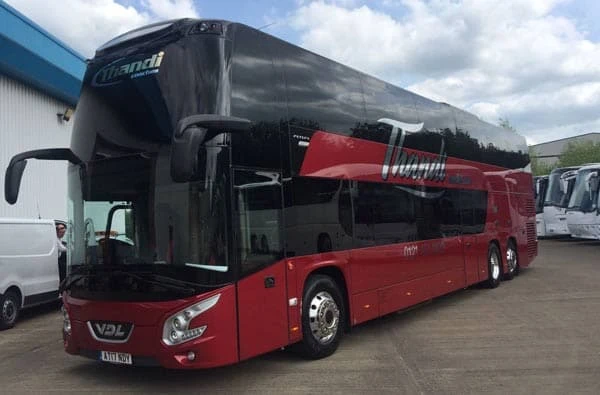
For dependable and professional school transport solutions, consider Thandi Coaches for your next educational journey.

























Sign in to leave a comment.