
If you’re running a small clothing brand or just getting started with print-on-demand, you’ve probably faced this situation—great design ready, but production feels confusing or expensive.
A lot of beginners jump straight into printing without thinking about long-term scalability. That’s where things start getting complicated.
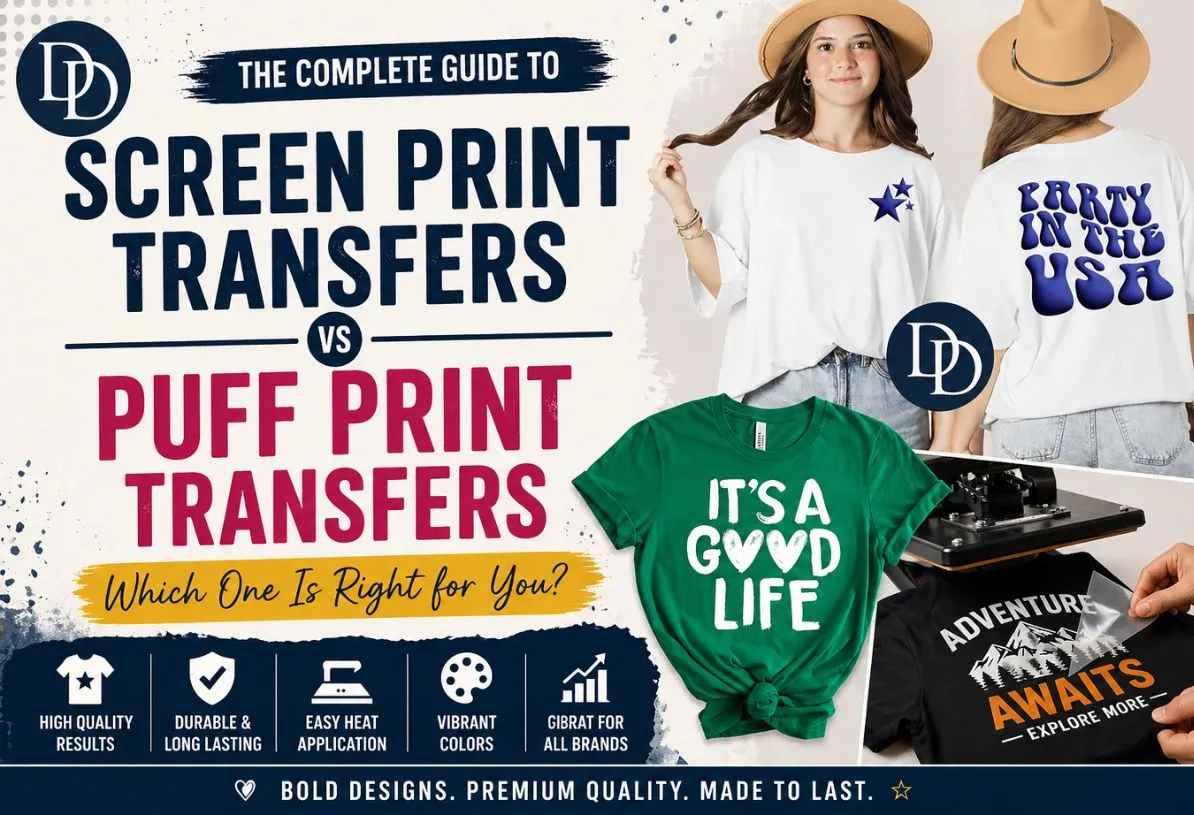
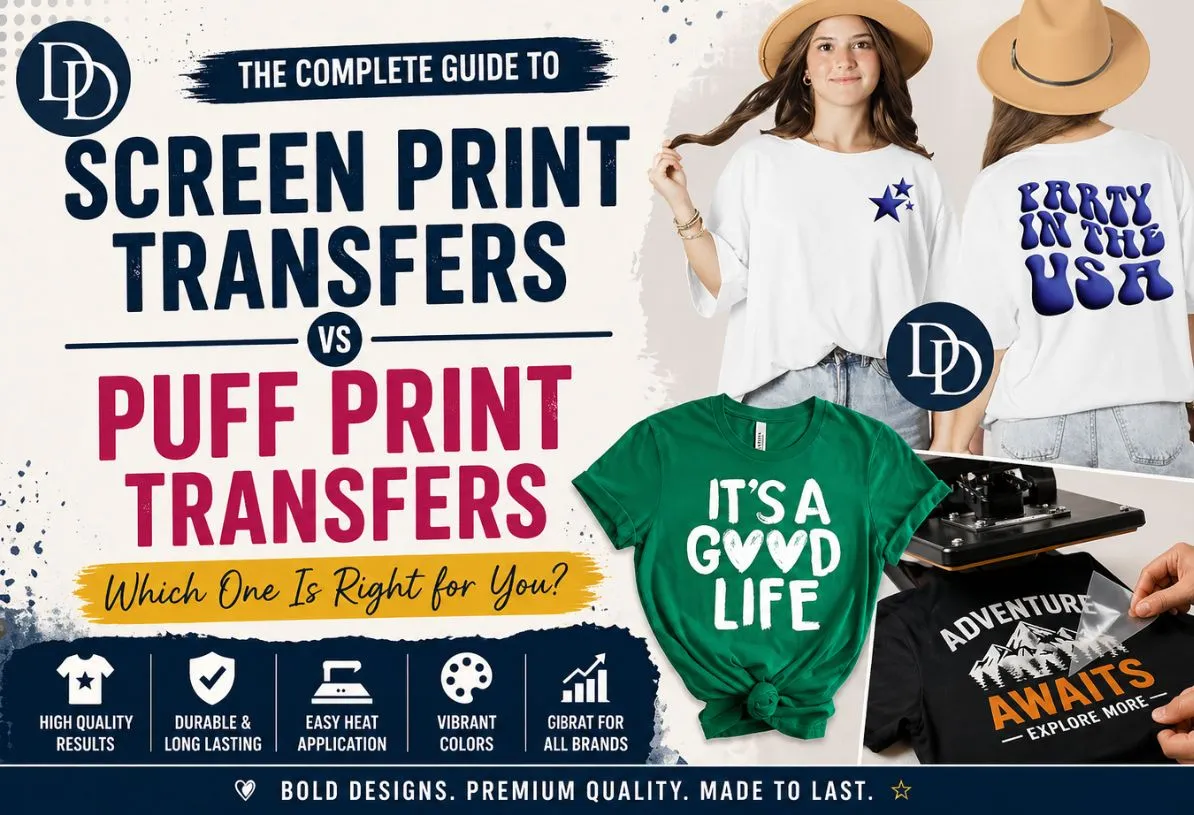
Over time, many small brands shift toward screen print transfers because they simplify production without sacrificing quality. At the same time, newer styles like puff print transfers are catching attention for their unique look.
But which one actually makes sense for your business?
Let’s break it down in a practical way.
What Exactly Are Screen Print Transfers?
In simple terms, screen print transfers are pre-made designs that you can apply to garments using heat.
Instead of printing directly on a t-shirt every time, the design is created in advance and stored. When an order comes in, you just press it onto the fabric.
This small shift makes a big difference.
You don’t need to:
- set up printing again and again
- worry about ink consistency
- waste materials on failed prints
For most small setups, this approach is far more manageable.
Why Many Small Brands Prefer This Method
From experience, the biggest challenge for beginners is not design—it’s consistency.
Screen print transfers solve that in a very straightforward way.
You get repeatable results
Every transfer is printed under controlled conditions, so your final output looks the same across orders.
It saves time during fulfillment
When orders increase, you won’t feel stuck in production. You just press and ship.
Lower risk during early stages
If something goes wrong, you’re only losing a blank garment—not your entire setup.
Easier to scale gradually
You can start small and grow without changing your entire workflow.
This is exactly why many print-on-demand sellers rely on pre-made collections like these
screen print transfers to keep things simple while focusing on selling and marketing.
When Does This Method Make the Most Sense?
There’s no one-size-fits-all answer, but in most cases, screen print transfers work best when:
- you’re testing new designs
- you don’t want heavy upfront investment
- you’re running limited drops
- you’re managing orders from a small workspace
A lot of small brands actually stick with this method even after scaling because of how reliable it is.
What About Puff Print Transfers?
Now let’s talk about something that’s been trending—puff print transfers.
You’ve probably seen them already, even if you didn’t know the name. They create a slightly raised effect on the fabric, which makes the design feel more premium and noticeable.
Unlike regular prints, puff designs aren’t completely flat. They add a bit of texture, which works really well for bold graphics and minimal designs.
They’re especially popular in:
- streetwear collections
- logo-based designs
- typography-focused prints
But here’s the thing—not every design needs this effect.
Screen Print Transfers vs Puff Print Transfers
Instead of looking at this as a “better vs worse” situation, it helps to think in terms of purpose.
Screen print transfers are more about consistency and scalability.
Puff print transfers are more about visual impact.
If your design has a lot of detail or multiple colors, screen print usually works better.
If your design is simple but you want it to stand out, puff print can give that extra edge.
From what many small apparel sellers experience, screen print transfers are easier to manage for regular production, while puff print is often used for special or standout pieces.
So, Which One Should You Choose?
Honestly, it depends on what you’re trying to build.
If your goal is:
- steady production
- consistent quality
- easy order handling
then screen print transfers are the safer and more practical choice.
If you’re focused on:
- unique branding
- bold visuals
- limited-edition styles
then puff print transfers can add that extra appeal.
In most cases, brands don’t stick to just one. They use screen prints for everyday products and puff prints for designs they want to highlight.
Practical Tips Before You Start
No matter which method you choose, a few small things can make a big difference:
- Always test your design before bulk use
- Follow proper heat press settings (temperature and pressure matter more than people think)
- Store transfers in a dry place
- Keep designs simple if you’re just starting
These small steps can save you a lot of time and frustration later.
Final Thoughts
For small clothing brands, the real challenge isn’t just creating designs—it’s finding a production method that actually works long-term.
Screen print transfers have stayed popular for a reason. They are simple, reliable, and flexible enough for beginners and growing businesses alike.
At the same time, puff print transfers bring something different to the table. They help your designs stand out in a crowded market.
There’s no need to overcomplicate things. Start with what fits your workflow, test what works, and build from there.
FAQs
1. Are screen print transfers good for beginners?
Yes, they are one of the easiest methods to start with since they only require a heat press and basic setup.
2. Do puff print transfers last long?
Yes, when applied correctly, they are durable, but they require proper heat settings to maintain the raised effect.
3. Which is more cost-effective?
Screen print transfers are generally more cost-effective, especially for bulk or repeat designs.
4. Can I use both methods in one brand?
Absolutely. Many brands combine both to create variety in their product line.
5. Do I need expensive equipment for these transfers?
No, a standard heat press machine is enough for both screen print and puff print transfers.
























Sign in to leave a comment.