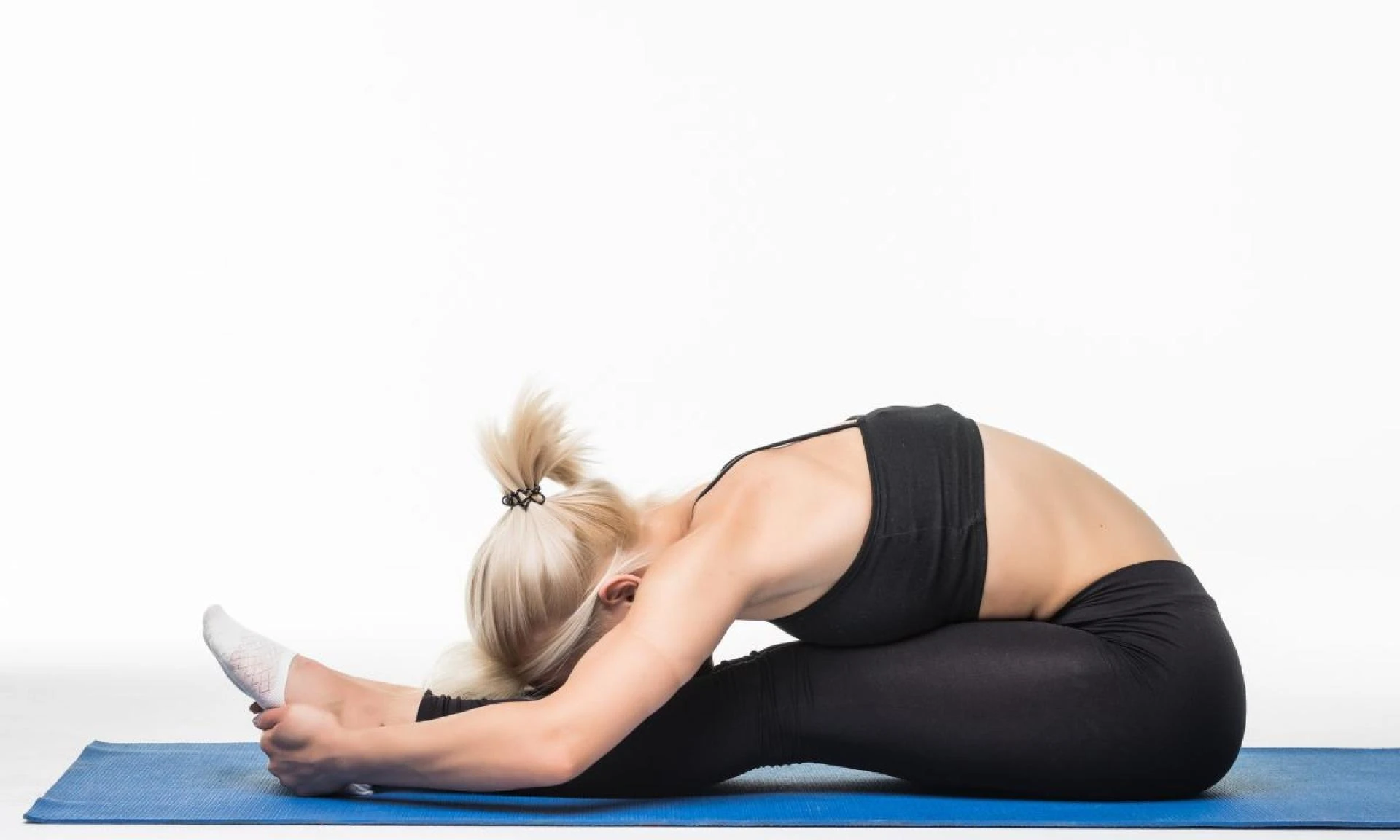

Yoga is a journey that combines the mind, body, and soul, and Seated Forward Bend Pose, or Paschimottanasana, is a beautiful part of this adventure. Whether you are a beginner or a seasoned yogi, this pose offers something valuable for everyone. In this guide, we’ll explore everything you need to know about Paschimottanasana—its benefits, how to perform it correctly, common mistakes to avoid, and tips to enhance your practice.
Let’s dive in!
What Is Paschimottanasana?
Paschimottanasana, or Seated Forward Bend Pose, is a classic yoga posture where you stretch your entire back body. The word "Paschimottanasana" comes from Sanskrit:
- Paschima means "west" (referring to the back of the body in yoga).
- Uttana means "intense stretch."
- Asana means "pose."
In simple terms, this pose involves sitting with your legs extended in front of you while folding your torso forward to reach toward your toes. It’s a foundational pose in many yoga traditions, celebrated for its physical, mental, and emotional benefits.
Why Should You Practice Paschimottanasana?
Seated Forward Bend isn’t just about touching your toes; it’s a holistic practice. Here’s why you should include it in your yoga routine:
1. Physical Benefits
- Improves flexibility: This pose stretches your hamstrings, spine, and shoulders.
- Strengthens muscles: Engaging your core and back muscles helps build strength.
- Aids digestion: Folding forward compresses the abdominal area, stimulating your digestive organs.
- Relieves back pain: A great way to release tension in the lower back.
2. Mental Benefits
- Reduces stress: The forward fold calms your nervous system and promotes relaxation.
- Improves focus: Holding this pose requires mindfulness, sharpening your concentration.
3. Spiritual Benefits
- Encourages introspection: The inward nature of this pose invites you to connect with yourself.
- Balances energy: Many yogis believe Paschimottanasana balances your prana (life force energy).
How to Perform Paschimottanasana
Ready to try it out? Follow these step-by-step instructions:
1. Set Up Your Space
- Choose a quiet, clean spot.
- Use a yoga mat or a soft surface for comfort.
- Keep a yoga strap or towel handy if you need support.
2. Step-by-Step Instructions
- Sit on your mat: Extend your legs straight out in front of you. Keep your back tall and your hands resting on your thighs.
- Engage your legs: Flex your feet so your toes point toward the ceiling. Press your thighs down into the mat.
- Inhale deeply: Lengthen your spine by reaching your arms upward.
- Exhale and fold forward: Hinge at your hips (not your waist) and reach your hands toward your feet. Keep your back straight.
- Find your edge: Stop when you feel a comfortable stretch. Don’t force yourself.
- Hold the pose: Stay in the fold for 20-60 seconds. Breathe deeply and relax.
- Release gently: Inhale and slowly come back to a seated position.
3. Modifications and Props
- For tight hamstrings: Use a yoga strap or towel around your feet to help you reach.
- For extra support: Sit on a folded blanket or cushion to elevate your hips.
- For beginners: Bend your knees slightly to avoid straining your lower back.
Common Mistakes to Avoid
Even seasoned yogis make mistakes. Here are some pitfalls to watch out for:
1. Rounding the Back
Slouching limits the stretch and can strain your spine. Focus on keeping your back long and straight.
2. Locking the Knees
Hyperextending your knees can lead to injury. Keep them soft and slightly bent if needed.
3. Overstretching
Pushing too hard can do more harm than good. Listen to your body and respect its limits.
4. Holding Your Breath
Breath is essential in yoga. Remember to breathe deeply and evenly throughout the pose.
Tips to Deepen Your Practice
1. Warm Up First
Prepare your body with poses like Downward Dog, Cat-Cow, or Butterfly Pose to loosen up your hamstrings and spine.
2. Use Visualization
Imagine your chest reaching toward your toes instead of focusing on how far you can stretch.
3. Practice Consistently
Flexibility doesn’t happen overnight. Regular practice will bring gradual progress.
4. Add Variations
- Wide-Leg Forward Bend: Spread your legs apart for a different stretch.
- One-Leg Forward Bend: Focus on one leg at a time.
Benefits Backed by Science
Research supports many of the claims about yoga’s benefits, including those specific to Paschimottanasana:
- Flexibility: A 2016 study in the Journal of Physical Therapy Science found that regular forward bends improve hamstring flexibility.
- Stress Reduction: A 2013 study in Frontiers in Psychiatry highlighted yoga’s role in lowering cortisol levels, the stress hormone.
- Digestion: Yoga poses that compress the abdomen can stimulate digestive functions, according to research in the International Journal of Yoga.
FAQs About Paschimottanasana
1. Can anyone do Paschimottanasana?
Yes, but it’s important to modify the pose based on your flexibility and physical condition.
2. How long should I hold the pose?
Start with 20-30 seconds and gradually increase to 1-2 minutes as you gain flexibility.
3. Is this pose safe during pregnancy?
Avoid deep forward bends during pregnancy. Consult your doctor or a prenatal yoga instructor for guidance.
4. What should I do if I feel pain?
Stop immediately. Yoga should never cause pain. Adjust or modify the pose as needed.
A Fun Fact About Paschimottanasana
Did you know Paschimottanasana is often called the "Mother of All Poses" in yoga? It’s because this pose harmonizes so many aspects of your body and mind. Plus, it’s a great reminder that the journey matters more than the destination. Touching your toes isn’t the goal—feeling good in your body is!
Conclusion
Paschimottanasana, or Seated Forward Bend Pose, is a powerful yet gentle way to stretch your body, calm your mind, and connect with your inner self. By practicing it mindfully and consistently, you can unlock a world of benefits—from improved flexibility to reduced stress.
So, unroll your mat, take a deep breath, and give Paschimottanasana a try. Remember, yoga isn’t about how far you can go—it’s about how present you can be.
Namaste!









Sign in to leave a comment.