

Seattle’s world-class job market, unmatched natural beauty, and strong lifestyle amenities continue to attract homebuyers from every background.
But while the city is known for its competitive market, the right Seattle neighborhoods still offer attainable value without sacrificing convenience, safety, or quality of life.
Many first-time buyers and relocating professionals feel overwhelmed by rising prices and assume that buying a home in Seattle is out of reach. The reality is different.
Several communities within the area deliver approachable home values while keeping you close to parks, transit, restaurants, waterfront access, and major employment hubs. These areas provide real affordability without feeling disconnected from the energy that makes Seattle one of the most desirable cities to live in.
This Seattle neighborhood guide breaks down the top areas where homebuyers can find strong price-to-value ratios, steady long-term appreciation potential, and everyday lifestyle benefits.
Whether you're searching for quiet residential streets, lake access, walkable commercial cores, or quick transit connections into downtown, our list highlights great neighborhoods in Seattle for affordability and livability.
If you're evaluating the market, preparing to relocate, or exploring investment opportunities, this guide gives you a clear understanding of where the true value is hiding. These affordable Seattle neighborhoods are not only accessible, but they also offer stability, community feel, and the kind of long-term upside that rewards buyers who plan.
Why Seattle Continues to Attract Homebuyers
Seattle appeals to homebuyers because it offers strong employment opportunities, stunning natural scenery, and a unique local character.
The city supports major industries in technology, healthcare, aerospace, and research. But it also provides water views, mountain views, and evergreen-lined streets.
Many Seattle neighborhoods offer a variety of local dining options, parks, museums, and year-round community activities. Transit is available through Light Rail, bus routes, and bike-friendly connections. These factors help the city attract people who want stability and everyday convenience.

Jobs and Economic Strength
Seattle supports steady employment across several major sectors.
Large companies continue to expand their presence here. Meanwhile, smaller firms and start-ups also contribute to consistent job availability.
This mix keeps demand for housing strong and encourages long-term planning. Many relocating workers choose Seattle because of its stable career environment and wide range of professional options.
Strong career options
The city offers high-quality roles across technology, healthcare, and aerospace. These industries help support consistent income levels for new and existing residents.
Stable work environments
Many employers in Seattle focus on long-term growth and retention. This stability supports confident decisions about buying a home in Seattle.
Opportunities across fields
Job seekers can pursue roles in established companies or growing start-ups. This variety attracts talent from different regions and contributes to steady housing demand.
Reliable employment strengthens interest in homes within different Seattle neighborhoods and supports long-term confidence for buyers.
Scenery and Lifestyle
Seattle’s natural setting gives residents easy access to water, mountains, and green spaces.
Many of Seattle’s neighborhoods sit near lakes, waterfront paths, or forested parks. The city also offers local cafés, restaurants, and cultural venues that support daily convenience.
This mix of outdoor access and urban comforts appeals to homebuyers who want balance without leaving the city.
Outdoor recreation access
Residents can visit nearby trails, parks, or waterfront areas with short travel times. These surroundings help support an active lifestyle all year round.
Community and cultural spaces
Many neighborhoods include small shops, restaurants, and community gathering areas. These features bring people together and support a welcoming atmosphere.
Proximity to local attractions
Seattle Center, Pike Place Market, and major museums are located near many residential areas. This proximity increases the appeal of living in some of the top neighborhoods in Seattle.
These lifestyle elements help maintain interest in Seattle neighborhoods and support long-term residency.
Housing Prices and Affordability Pockets
Seattle is known for high home prices, but many neighborhoods still remain accessible.
These areas offer reasonable entry points for first-time buyers or relocating professionals. They provide access to transit, essential services, and recreational areas while keeping costs manageable. These pockets help buyers stay connected to city resources without moving far from job centers.
Lower median prices
Some neighborhoods offer more affordable homes compared to central districts. These areas provide opportunities for buyers entering the market.
Walkable streets and local amenities
Many affordable pockets still include shops, parks, and community resources. Buyers gain convenience without paying premium prices.
Steady appreciation potential
Several affordable neighborhoods show consistent long-term value growth. This supports confidence in buying a home in Seattle, even at lower price points.
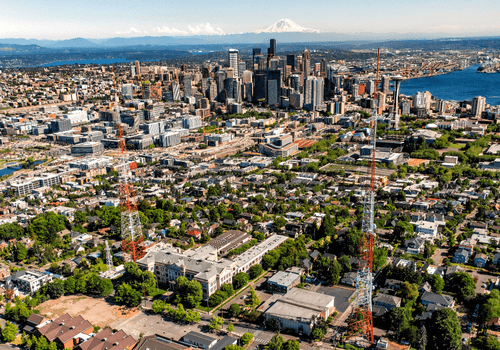
These affordable pockets help buyers stay within the city while accessing many features found in higher-priced areas.
The Most Affordable Places to Live in Seattle (Where Value Still Holds)
These neighborhoods offer lower entry prices without cutting you off from transit, parks, or job centers. Each one earns its spot by combining livability with long-term upside.
- Dunlap – South Seattle
Lake Washington access without Lake Washington pricing. Dunlap sits next to Columbia City, so you get restaurants, light rail, and neighborhood energy—without paying Columbia City premiums. Quiet streets. Solid value. Strong fit for first-time buyers who want breathing room.
- South Delridge – West Seattle
One of West Seattle’s most affordable entry points. Residential blocks, local spots, and fast access to the West Seattle Bridge keep commutes reasonable. Parks and trails nearby. Median prices stay noticeably lower than surrounding neighborhoods.
- Bitter Lake – North Seattle
A small lake, walkable paths, and a low-key feel that surprises people. Bitter Lake offers some of North Seattle’s most approachable single-family pricing while staying within a short drive of Lake Union and Seattle Center.
- South Beacon Hill
Transit does the heavy lifting here. Light Rail connects you straight to downtown, Capitol Hill, the stadiums, and the airport. Home prices remain restrained compared to how connected the neighborhood actually is.
- Riverview – West Seattle
A quiet pocket with space, trees, and stability. Transit is thinner, but buyers get calmer streets and consistent pricing. Riverview attracts people who value predictability over hype.
- Rainier Beach – South Seattle
Lake Washington on one side, Light Rail on the other. Rainier Beach delivers waterfront access, major parks, and direct transit—all at price points that still work for buyers watching the numbers closely.
- Highland Park – West Seattle
Often overlooked, which helps keep prices grounded. Close to South Park’s food scene and an easy bridge commute. A practical choice for buyers who want West Seattle without stretching.
- High Point – West Seattle
Modern homes, planned streets, and real community design. You get newer construction and open green space at prices that undercut much of West Seattle. Clean lines. Clear value.
- Haller Lake – North Seattle
Larger lots, a suburban feel, and access to Northgate Light Rail. Haller Lake offers space-first living while keeping downtown reachable. One of North Seattle’s better price-per-square-foot plays.
- Georgetown – Near Downtown
Industrial roots, creative culture, and proximity that’s hard to beat. Georgetown sits minutes from downtown, Pioneer Square, and South Lake Union—yet remains the most affordable single-family option this close to the core.
These neighborhoods share one trait: They reward buyers who look past headlines and focus on fundamentals. Price-to-value strength, transit access, and livability are what keep them competitive over time.
The Value of Buying a Home in Seattle
The Seattle neighborhood guide above shows that the city continues to offer accessible choices for buyers who want long-term growth. The region provides sufficient value, practical amenities, and a strong mix of opportunity and stability.
That means buying a home in Seattle can support long-term financial planning.
The city shows steady appreciation and offers strong access to transit, parks, dining, and major employers. Many neighborhoods provide a strong balance of affordability and convenience. Homeowners benefit from stability and consistent demand, which supports property values over time.
Market Advantages of Buying in Seattle
Buying a home in Seattle continues to appeal to long-term planners because the city offers stability, steady demand, and strong economic support.
Many of the Seattle neighborhoods listed above show consistent appreciation due to limited land availability and ongoing population growth. The city provides daily convenience, access to major employers, and reliable transit options. These factors help reinforce Seattle’s position as a dependable market for both first-time buyers and experienced homeowners.
Strong Investment Potential
Seattle has shown steady value growth for many years. Limited housing supply and significant demand help support consistent appreciation. Buyers who focus on long-term ownership benefit from this upward trend.
Consistent appreciation trends
Seattle has a long record of property value increases. Homes across many neighborhoods show stable growth year after year.
Long-term market confidence
The city attracts buyers who plan. This consistent demand helps support property values even during market fluctuations.
Citywide demand patterns
Many people continue moving to Seattle for work and lifestyle benefits. This ongoing demand helps reinforce the appeal of owning a home in the region.
These factors make the city a solid option for buyers who want both stability and reasonable future expectations.
Equity Growth and Job Market Stability
Seattle’s economy is supported by technology, healthcare, aerospace, and research.
These sectors draw skilled workers from many regions. Strong employment levels help maintain demand for homes and support the long-term value of buying a home in Seattle.
Reliable employment base
Major companies maintain a strong presence in the area. This stability influences steady housing interest.
High-income employment opportunities
Many roles offer strong salary potential. Higher income levels support higher purchasing power for buyers.
Consistent relocation activity
Workers continue moving to the city for new opportunities. This movement helps support demand for homes across Seattle neighborhoods.
This combination of economic strength and relocation demand contributes to long-term equity growth for homeowners.
Accessible Entry Points in Affordable Neighborhoods
Not all Seattle areas come with premium price tags. Several of the communities in the list above still provide reasonable access to the market. These neighborhoods offer competitive pricing, practical amenities, and daily convenience for new buyers.
Lower entry prices
Some neighborhoods remain more affordable than central districts. These areas allow first-time buyers to enter the market without excessive financial pressure.
Strong value-to-price ratios
Certain communities offer attractive pricing compared to nearby areas. Buyers gain solid long-term potential at manageable cost levels.
Balanced access to amenities
Affordable neighborhoods still provide parks, transit, and local services. Buyers can stay close to daily conveniences without stretching their budgets.
These accessible communities serve as realistic starting points for people seeking stable, long-term homeownership in the region.
Long-Term Return on Investment in Seattle Neighborhoods
Seattle continues to support long-term value growth for homeowners.
Many Seattle neighborhoods show steady appreciation due to demand, limited housing supply, and strong job sectors. The city attracts residents who plan to stay for several years, which helps reinforce market stability.
The same patterns that contribute to Seattle’s high real estate prices also give buyers confidence when considering buying a home in Seattle and evaluating long-term financial expectations.
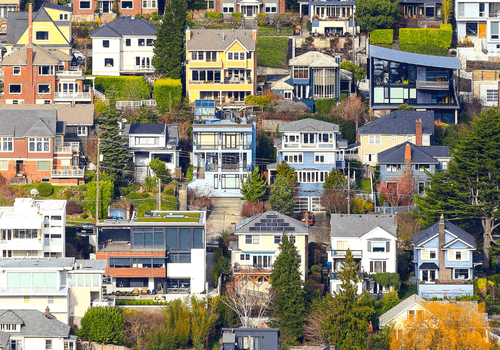
Home Appreciation History and Future Outlook
Seattle has a long record of property value increases. The city’s economic strength and steady population growth contribute to consistent upward trends. Buyers who hold property for a longer period often benefit from this pattern. Future projections remain positive because job demand, limited buildable land, and strong urban interest continue to influence pricing.
Historic appreciation strength
Seattle homes have shown reliable value gains over multiple decades. Even during slower market periods, most neighborhoods recover steadily.
Steady price support
Ongoing relocation and job-driven growth help maintain home values. This creates a predictable environment for long-term owners.
Positive outlook
Forecasts suggest continued interest in urban living. This supports stable appreciation across a wide mix of Seattle neighborhoods.
These factors show why many buyers view Seattle as a dependable long-term investment.
Advantages of Buying Early in Emerging Neighborhoods
Several neighborhoods in the list are up-and-coming areas that still offer reasonable entry prices. These neighborhoods often shift as transit expands, retail activity grows, or new housing becomes available. Early buyers can gain strong future value because these improvements increase long-term demand.
Lower pricing in growing areas
Emerging neighborhoods often offer lower median prices. This gives buyers a chance to enter the market before values rise further.
Future benefits from new infrastructure
Transit expansions and community improvements raise appeal. These changes tend to support future appreciation.
Increasing interest in transitioning communities
More buyers are choosing areas that show growth potential. This interest strengthens long-term value for homeowners.
Entering these neighborhoods early can support stronger returns over time, especially for buyers planning multi-year ownership.
Price-to-Value Strength in the Featured Areas
The neighborhoods highlighted in this Seattle neighborhood guide offer meaningful value at approachable price points. Many provide access to parks, transit, and essential services. These factors increase their long-term appeal and help support continued appreciation.
Reasonable entry prices
Several areas cost less than the surrounding neighborhoods. Buyers get more space and convenience at lower prices.
Balanced mix of amenities and accessibility
Many featured communities offer daily resources within short distances. This balance supports steady demand.
Long-term upside
Strong community identity and practical locations help maintain interest. These qualities encourage consistent value growth.
These price-to-value advantages make the listed neighborhoods practical choices for buyers focused on long-term returns.
How to Choose the Right Neighborhood for Your Budget and Goals
A clear budget helps narrow your search when reviewing the Seattle neighborhood guide.
Start by setting a realistic purchase range and reviewing neighborhoods that match it. Some Seattle neighborhoods offer lower entry prices and still provide access to daily essentials. This approach keeps your search focused and prevents you from considering areas that do not align with your financial plan.
Commute expectations also influence your decision. Transit access varies across the city, so it helps to consider how often you rely on Light Rail, bus routes, or major road connections. Many of the more affordable neighborhoods still offer solid travel options. Buyers who depend on consistent commutes should compare transit routes early in the process.
Lifestyle needs complete the final step. Some areas feel quiet and residential, while others sit close to dining, parks, or cultural activities.
Decide what matters most in daily living, then compare neighborhoods with those goals in mind. This Seattle neighborhood guide makes the process simpler by showing where affordability, convenience, and long-term appeal meet.
Frequently Asked Questions
What are the top neighborhoods to live in Seattle?
The top neighborhoods to live in Seattle depend on your goals, but areas like Capitol Hill, Green Lake, Ballard, and Queen Anne stand out for convenience, amenities, and strong long-term appeal. Several affordable options in this Seattle neighborhood guide also offer solid value and daily practicality.
Which Seattle neighborhood is most walkable?
Capitol Hill, Belltown, and South Lake Union are among the most walkable neighborhoods in the city. These areas provide close access to cafés, restaurants, transit, and workplaces. Many streets support walking as a primary mode of transportation.
What neighborhoods are good for families?
Family-friendly Seattle neighborhoods often include Green Lake, Wedgwood, Magnolia, and West Seattle communities like Highland Park and High Point. These areas offer parks, schools, larger residential streets, and convenient access to daily services. Several neighborhoods in this Seattle neighborhood guide also provide strong value at approachable prices, which helps families balance budget and space needs.
Which Seattle neighborhoods are good for nightlife?
Capitol Hill leads Seattle’s nightlife options with its dense mix of bars, music venues, and late-night dining. Belltown and parts of Ballard also offer lively evening activities. These neighborhoods appeal to residents who prefer walkable streets and easy access to entertainment.
What are up-and-coming Seattle neighborhoods?
Up-and-coming Seattle neighborhoods often include Georgetown, South Park, Rainier Beach, and parts of South Delridge. These areas show price-to-value strength and steady growth in community amenities. Early buyers benefit from lower entry prices and long-term appreciation potential. This Seattle neighborhood guide highlights several emerging areas that offer practical opportunities for buyers planning.














Sign in to leave a comment.